Is Your Pet’s Drinking Water Disaster Ready? How To Protect Dogs and Cats When Crises Hit
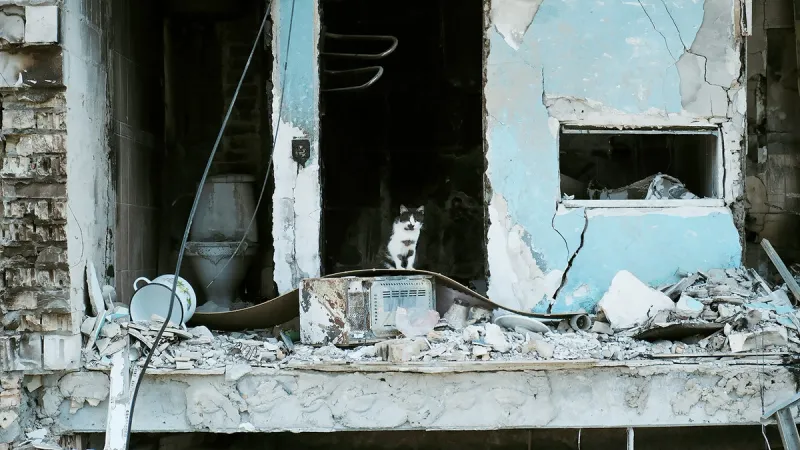
This article is an English translation of the original Japanese article. Read the original Japanese version.
Natural disasters can cut off power, clean water, and access to pet supplies in an instant. Learn how to prepare safe drinking water, essential gear, and stress‑reducing routines so your dog or cat can stay healthy and calm no matter what happens.
Key takeaways
Q. What kind of daily training is especially important for evacuating with pets during disasters?
Basic commands such as "wait," "sit," and "come," along with training for toileting in designated areas and reducing excessive barking, are important.
Q. How much drinking water should be stored for pets?
As a guideline, store about one week’s worth: around 100 mL of water per kg of body weight per day for dogs and about 50 mL per kg per day for cats.
Q. Is it safe to give human beverages to pets during disasters?
High-mineral bottled water and caffeinated teas can burden or harm pets, so they should be avoided; you need to prepare "safe water" for them in advance.
Living With Disasters When You Share Your Home With Pets
Japan is one of the most disaster‑prone countries in the world, with frequent earthquakes, typhoons, and floods. But this reality is not unique to Japan—many regions now face extreme weather and sudden emergencies.
When a major disaster strikes, lifelines such as electricity, gas, and tap water can be cut off, and you may be forced to stay in an evacuation shelter or temporary housing. In those situations, human survival understandably comes first, and most emergency supplies are prioritized for people.
That means pet‑specific supplies are often limited or completely unavailable. Yet for many pet parents, dogs and cats are beloved family members. Preparing in advance is one of the most concrete ways to protect them when everything else feels uncertain.
What Disaster Guidelines Say About Evacuating With Pets
In Japan, the Ministry of the Environment has issued official guidelines on evacuating with pets during disasters, known as the Guidelines for Measures for the Rescue of Pets in the Event of a Disaster. Similar recommendations exist in many countries under animal welfare or emergency management agencies.
These guidelines explain what pet guardians should prepare before a disaster, how to evacuate safely with animals, and how to live with them in shelters. Experts consistently recommend reading these materials in advance, not during a crisis, so you can act calmly when every minute counts.
Why Everyday Training Is the Foundation of Safe Evacuation
Smooth evacuation with a dog or cat rarely happens by accident. Basic training and socialization are some of the most powerful disaster‑preparedness tools you have.
For dogs, being able to respond reliably to simple cues such as “sit,” “stay,” and “come” can make a huge difference in a chaotic environment. These skills help you keep your dog close, prevent bolting, and reduce the risk of accidents during crowded evacuations.
In shelters or shared spaces, your pet will likely be surrounded by unfamiliar people, other animals, and new smells and sounds. To reduce conflict and stress for everyone, it is especially helpful if your pet can:
- Eliminate in a designated area (litter box, pee pads, or a specific outdoor spot)
- Avoid excessive barking or vocalizing, particularly in the case of dogs
In an emergency, everyone is already anxious. A pet’s behavior should not become an additional source of stress for others, and it is the guardian’s responsibility to prepare for that.
One of the most practical steps is to help your pet get comfortable with a carrier, crate, or cage well before a disaster happens. Practice short, positive sessions so your pet learns that the carrier is a safe, calm place. If your dog or cat can rest quietly in a confined space, it will greatly reduce their stress during transport and shelter life.
How Health Care and Vaccines Affect Disaster Readiness
Health care may not be the first thing you associate with disaster planning, but a pet’s day‑to‑day health status has a direct impact on how safely they can live in a shelter or crowded environment.
Veterinary professionals generally recommend that you:
- Keep core and recommended vaccines up to date according to your veterinarian’s advice
- Use year‑round or seasonal parasite prevention for fleas, ticks, and other parasites common in your region
In evacuation shelters, many animals may be gathered in a relatively small area. This increases the risk of infectious disease and parasite transmission. Good routine preventive care becomes one of the strongest protections you can offer your pet in a disaster.
Dogs and cats are also skilled at hiding discomfort or illness. Subtle issues like early kidney disease, dental pain, or joint problems may not be obvious at a glance. Regular wellness exams and bloodwork, as recommended by your veterinarian, help detect problems early so your pet is more resilient if a crisis occurs.
How Much to Pack Emergency Supplies for Pets
To evacuate safely with your pet, you will need more than just a carrier and a leash. Many experts recommend preparing at least one week’s worth of supplies for each animal in your household.
Most pet parents are used to keeping some extra food on hand, but water is often overlooked. During disasters, water outages are extremely common, and tap water may be unavailable or unsafe.
In addition to food and water, consider preparing:
- Toilet supplies such as litter, litter box or trays, pee pads, waste bags, and cleaning materials
- Backup collar, harness, and leash in case your primary gear breaks or is lost
- Identification including tags, microchip registration, and a written card with your contact details and your vet’s information
- Comfort items such as a favorite toy, blanket, or bed that smells like home
Familiar objects can significantly reduce anxiety for dogs and cats, especially those that are sensitive to noise, smell, or changes in routine. Recreating even a small piece of their usual environment can help them settle more quickly in an unfamiliar shelter.
How Much Water Do Dogs and Cats Need in an Emergency
Food is relatively easy to stockpile, but water storage requires more planning and space. Still, it is absolutely essential.
As a general guideline:
- Dogs typically need around 100 mL of water per kilogram of body weight per day
- Cats typically need around 50 mL of water per kilogram of body weight per day
Individual needs vary with temperature, activity level, health status, and diet (dry food vs. wet food), but these numbers provide a useful starting point for emergency planning.
Cats evolved from desert‑dwelling ancestors and can survive on relatively low water intake compared with some other species. However, dehydration is still dangerous, and chronic low‑level dehydration is linked to urinary and kidney problems.
For cats with kidney disease, urinary crystals, or a history of urinary stones, adequate water intake is critical. In a disaster, these vulnerable pets may deteriorate quickly if clean water is not available, so planning for them is especially important.
Can Pets Drink Bottled Water Meant for Humans
Many pet guardians assume that if they have bottled water for themselves, they can simply share it with their pets. In many cases this is possible, but there are important details to consider.
Some commercial mineral waters contain high levels of calcium, magnesium, and other minerals, making the water “hard.” While these minerals are not inherently toxic, excessive mineral intake can place extra strain on the urinary system, especially in pets prone to kidney or bladder issues.
For disaster preparedness, experts generally recommend choosing soft or moderately hard water with a mineral profile appropriate for pets. Always read the label and, if in doubt, ask your veterinarian which types of bottled water are safest for your dog or cat.
Why Tea and Other Drinks at Shelters Are Not Safe for Pets
In evacuation shelters, you may be offered tea or other beverages. It can be tempting to share these with your pet if you are worried about water running out, but many human drinks are unsafe for dogs and cats.
Green tea, black tea, and many other common teas contain caffeine, which can be toxic to both dogs and cats. Even small amounts may cause restlessness, rapid heart rate, or more serious symptoms.
Some caffeine‑free options like barley tea or buckwheat tea may seem safer, but human teas often contain higher mineral levels or other components that are not ideal for pets, especially if given as their main water source.
Whenever possible, avoid giving tea or flavored drinks to your pets in a disaster. Prioritize storing plain, safe water specifically intended for drinking.
Why Water Dispenser Bottles Work Well for Disaster Storage
One practical way to prepare drinking water for both humans and pets is to use large‑capacity bottles designed for home water dispensers.
These bottles typically hold around 12 liters (about 3 gallons) each, providing several days’ worth of water for a family and their pets, depending on usage. Many brands are designed for long‑term storage, often remaining safe for 6–12 months when unopened, as long as they are kept in appropriate conditions.
Other advantages include:
- Consistency – Your family and pets can drink the same water they are used to, which may reduce digestive upset
- Ease of use – Even if the dispenser itself cannot be used due to a power outage, most bottles can be poured manually
- Rolling stock – You can practice “use and replace” rotation, regularly consuming and replenishing bottles so your emergency supply is always relatively fresh
For many households, using dispenser bottles as part of a rolling emergency stock is a practical, pet‑friendly way to ensure safe water is always on hand.
Helping Pets Adapt to Evacuation Life Through Familiarity and Routine
Disaster response agencies increasingly recommend “co‑evacuation” or “evacuating together”—leaving with your pets rather than staying behind or separating from them. However, life in a shelter or temporary housing can be extremely stressful for animals.
This is where your everyday preparation pays off. If your pet is already used to spending time in a carrier or crate, traveling, and meeting new people or animals, they will generally cope better with sudden changes.
Try to ensure that, even in an evacuation setting, your pet has access to:
- Their usual food, or at least the same type and brand they are accustomed to
- The same drinking water they normally receive, as much as possible
- Items that carry familiar scents, such as their regular blanket, bed, or a worn T‑shirt from their favorite person
For dogs and cats, “smelling like home” can be deeply reassuring. Maintaining small pieces of their normal routine—feeding times, short walks, play sessions, grooming—can also help them feel safer and more secure.
Preparing for Your Pet’s “What If” Is an Act of Love
Disasters can happen anywhere and at any time, often without warning. While we cannot control when they strike, we can control how prepared we are to protect the animals who depend on us.
Thoughtful preparation—from training and health care to safe water storage and emergency kits—can literally save your pet’s life. It also reduces your own stress, because you will know you have done everything reasonably possible to keep your dog or cat safe.
Starting today, consider taking one small step: assemble a week’s worth of food and water, schedule a wellness check, or practice carrier time with your pet. Each action you take now becomes a lifeline in a future emergency.
Your choices as a pet guardian today help safeguard your pet’s tomorrow. By preparing for the unexpected, you are building a safer, more secure future for your entire family—four‑legged members included.
- 03.21.2026
- 09.06.2017