Top 10 Large Dog Breeds Loved In Japan And How To Care For Them With Confidence
This article is an English translation of the original Japanese article. Read the original Japanese version.
Thinking about sharing your life with a big dog? Discover the 10 most popular large breeds in Japan, what makes them so special, and what every pet parent should know before welcoming one of these gentle giants into their home.
Large dogs have a presence you can feel the moment they walk into a room. I have lived with dogs since childhood, and every one of them has weighed over 30 kilograms. Life with a large dog can look intimidating from the outside, but their big, expressive bodies and larger‑than‑life affection offer a kind of comfort that is hard to replace.
In this guide, you will discover the top 10 most popular large dog breeds in Japan and learn what makes them so beloved. You will also find practical, vet‑informed tips on what it really takes to live with a large dog, from daily care and costs to senior support.
Top 10 Large Dog Breeds In Japan
This ranking is based on registration data from the Japan Kennel Club (JKC), which manages pedigree records across the country. Many of these breeds are also familiar sights in cities around the world, so consider this a helpful starting point if you are exploring large‑breed companions.
10th Great Pyrenees
The Great Pyrenees is a large livestock guardian breed that originated in the mountainous regions of France and Spain. Their snow‑white, cloud‑like coat and calm, dignified expression give them an almost royal presence. Historically, they were officially cherished as guard dogs by the French royal family, which adds to their enduring appeal.
Despite their imposing size, many Great Pyrenees are gentle, steady, and deeply devoted to their families. Prospective pet guardians should be prepared for substantial grooming and training to channel their natural guarding instincts in a positive way.
9th Borzoi
The Borzoi is instantly recognizable for its elegant silhouette, long legs, and graceful movement. Originally bred in Russia as a wolf‑hunting sighthound, this breed is known for its exceptional athletic ability and speed. Their refined appearance often hides a powerful, agile body built for pursuit.
Temperament can vary widely between individual Borzoi, and some can be independent or sensitive. Experts recommend working closely with an experienced trainer or behavior professional, especially for first‑time large‑breed pet parents, to ensure safe socialization and reliable recall.
8th Dalmatian
The Dalmatian is famous worldwide for its striking white coat covered in black or liver spots. Behind the iconic look is an intelligent, energetic dog that thrives on activity and mental stimulation. Many Dalmatians excel when they have a job to do or a sport to enjoy.
Because they are highly active and playful, they are a great match for pet guardians who want to run, hike, or play regularly with their dog. In Japan and many other countries, Dalmatians are not as commonly available in pet shops, so responsible guardians are encouraged to seek out reputable breeders or rescue organizations that prioritize health and temperament.
7th Doberman
The Doberman is widely respected for its sharp intelligence, strong sense of duty, and athletic build. Frequently employed as a working dog in military, police, and security roles, the breed is capable of learning complex tasks and forming deep bonds with its human family.
While their appearance can be intimidating, many Dobermans are deeply affectionate and even clingy with their trusted people. At the same time, they may show strong vigilance toward strangers and can become protective if not properly socialized. Consistent training, early social exposure, and clear boundaries are essential to help a Doberman become a stable, confident companion and an excellent watchdog.
6th Flat Coated Retriever
The Flat Coated Retriever is often described as the eternal optimist of the retriever family. Known for being loyal, devoted, and eager to please, this breed typically has a cheerful, outgoing personality. Many individuals are friendly not only with people but also with other dogs when properly socialized.
They are attentive to their environment and often respond quickly to their pet guardian’s mood and movements, which can be incredibly endearing. Because they are active sporting dogs, they need regular exercise, training, and mental enrichment to stay healthy and content.
5th Standard Poodle
The Standard Poodle is the larger variety of the Poodle family, related to the Toy Poodles that are consistently among the most popular small dogs in Japan. Highly intelligent and versatile, Standard Poodles can shift from an elegant, show‑ring look to a cute, casual trim with a single grooming session, which many pet guardians enjoy.
Their curly coat sheds very little, which can be a plus for people concerned about loose hair in the home. However, low shedding does not mean low maintenance. Regular professional grooming and at‑home brushing are necessary to prevent matting and keep the coat healthy.
4th Siberian Husky
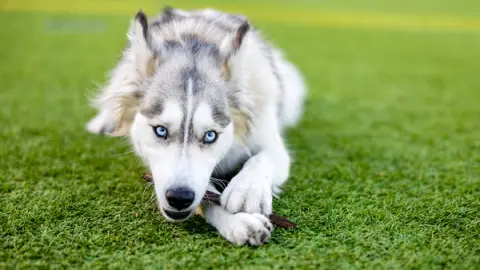
The Siberian Husky combines a wolf‑like, striking face with a generally friendly and often gentle temperament. Many people are drawn to the contrast between their wild appearance and their typically sociable nature. Huskies were originally bred as sled dogs, so they are built for endurance and love to move.
Because of this background, daily exercise is non‑negotiable. Experts recommend frequent walks, safe off‑leash play in secure areas, and activities that allow them to run or pull. Without enough physical and mental stimulation, Huskies may become vocal, destructive, or prone to escape attempts.
3rd Bernese Mountain Dog
The Bernese Mountain Dog, often simply called the Bernese, is celebrated for its sweet expression and calm, gentle aura. As puppies, they can be boisterous and playful, but many mature into steady, affectionate family dogs that enjoy being close to their people.
Their long, tri‑colored coat is beautiful but does require commitment. Bernese Mountain Dogs shed year‑round and more heavily during seasonal coat changes. Regular brushing, especially during shedding seasons, is essential to manage loose hair and maintain skin health.
2nd Labrador Retriever
The Labrador Retriever narrowly misses the top spot in this ranking but remains one of the most beloved breeds worldwide. Labs are known for their soft, friendly facial expressions and their combination of high intelligence and gentle temperament. They are frequently chosen as assistance dogs, search‑and‑rescue dogs, and therapy dogs.
Most Labradors adore human interaction and play. They tend to thrive in active households where they can participate in walks, games of fetch, swimming, and training sessions. Pet guardians should be prepared to manage their enthusiasm and appetite, as Labs can be prone to weight gain without portion control and exercise.
1st Golden Retriever
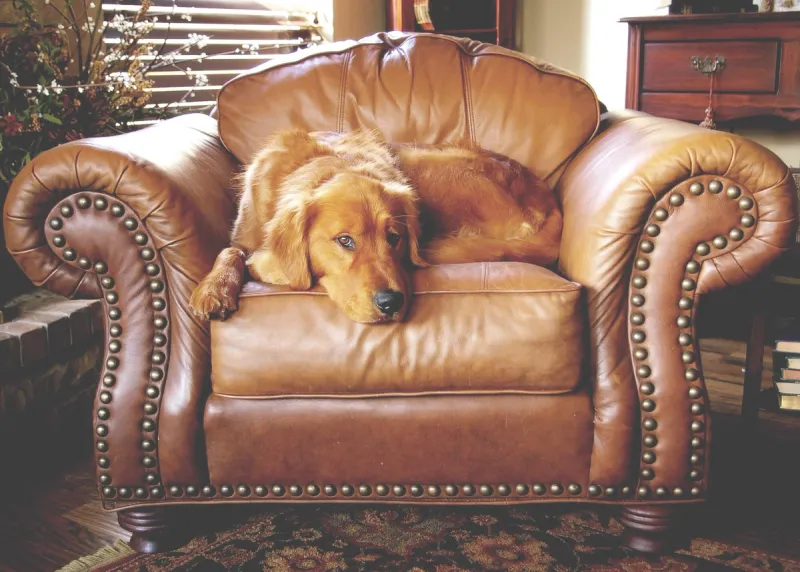
Taking the number one spot is the Golden Retriever, another breed that enjoys immense global popularity. Goldens are typically kind‑hearted, patient, and highly people‑oriented. Their strong learning ability and excellent social skills make them a natural fit for roles such as guide dogs, therapy dogs, and other forms of assistance work.
Their luxurious, golden coat is part of their charm, but it also means routine grooming is important. Regular brushing helps reduce shedding, prevents tangles, and allows pet guardians to check the skin for any early signs of irritation or disease.
Can Large Dogs Live Indoors
Many people assume that large dogs must live outdoors, but that is not always the case. As long as you can provide the right environment, large dogs can live comfortably indoors and often benefit from being close to their human family.
At a minimum, you will need:
- Food and water bowls that are appropriately sized and stable
- A toilet area or clear house‑training plan
- A sturdy crate or indoor pen for rest and safety
- Enough open floor space for the dog to move, stretch, and turn comfortably
Living together indoors can actually make it easier to notice subtle changes in your dog’s behavior, appetite, or movement. Early detection of illness or discomfort is one of the major health advantages of indoor living, especially for large breeds that may hide pain.
The key challenge is preventing inactivity. Most large dogs need around one hour of walking per outing, depending on age and health, and many benefit from occasional visits to a safe dog park or dog run. Structured play, training games, and scent‑based activities indoors can also help meet their mental and physical needs.
The Real Cost Of Living With A Large Dog
Caring for a large dog is a long‑term financial commitment. In Japan, estimates suggest that the average lifetime cost for one large dog is around 3.5 million yen, with an average lifespan of about 10 years. When broken down, that equals roughly 30,000 yen per month over a decade.
This estimate typically includes:
- Quality food appropriate for a large‑breed dog
- Routine supplies such as poop bags, cleaning products, and bedding
- Training classes or behavior support
- Grooming costs, especially for long‑haired or curly‑coated breeds
- Preventive veterinary care, vaccinations, and parasite control
- Unexpected medical expenses such as injuries or illness
Before bringing home a large dog, create a realistic monthly and emergency budget. Consider pet insurance, savings for senior care, and the cost of boarding or pet sitters if you travel. Planning ahead helps ensure you can provide consistent, high‑quality care throughout your dog’s life.
Daily life with a large dog also requires time. Beyond feeding, toileting, and walks, you will need to invest in training, play, grooming, and simple companionship. Young puppies cannot be left alone for long periods, and even adult dogs may struggle with extended solitude. If your lifestyle involves frequent travel or long workdays away from home, think carefully about how you will meet a large dog’s needs.
It is also important to confirm that everyone in the household is on board. Check whether any family members have dog allergies, and make sure all residents understand the responsibilities involved. A shared, positive attitude toward pet guardianship is a strong foundation for success.
What Can Be Challenging About Large Dogs
Living with large dogs brings immense joy, but there are also unique challenges. From my own experience, three areas stand out as particularly demanding:
- Puppy mischief
- Physical strength
- Senior and end‑of‑life care
Large‑breed puppies are strong from an early age. Even playful behaviors such as mouthing, jumping, or bumping into people can cause scratches and bruises. Early training to manage bite inhibition, jumping, and impulse control is crucial to keep both humans and dogs safe.
Destructive chewing can also be more dramatic with a large dog. Table legs, slippers, wallpaper, and even the heels of brand‑new boots can become targets during the teething and adolescent stages. Because many large dogs can easily reach high surfaces by stretching or standing on their hind legs, simply placing valuables “out of reach” is often not enough. Protect important items by storing them securely in closed cabinets or rooms.
Senior care for large dogs can be physically and emotionally demanding. I have personally cared for a 40‑kilogram senior dog who could no longer move independently. Turning the dog over, helping with toileting, and preventing pressure sores were extremely difficult tasks for one person to manage alone.
For this stage of life, family cooperation and a realistic support plan are essential. Consider:
- How many people can help with lifting or repositioning
- Whether you can use supportive equipment such as harnesses, slings, or carts
- How you will manage frequent vet visits and potential home modifications
Planning ahead for senior care does not diminish the joy of living with a large dog. Instead, it helps ensure that you can provide comfort and dignity when your companion needs you most.
Choosing A Large Dog With Heart And Responsibility
Large dogs offer a remarkable blend of expressiveness, loyalty, and gentle charm. Once you experience their warm gaze, goofy playfulness, and quiet companionship, it is easy to understand why so many people become devoted to these gentle giants.
At the same time, their size amplifies both the joys and the responsibilities of pet guardianship. They require space, time, training, financial planning, and often teamwork within the family. By researching thoroughly, preparing your home and lifestyle, and committing to long‑term care, you can build a deeply rewarding partnership with a large dog.
If you feel ready for the challenge and the commitment, your next step is to learn more about specific breeds, meet dogs in person, and talk with veterinarians, trainers, and reputable breeders or rescues. Your thoughtful preparation today is the first step toward a lifetime of trust, comfort, and shared adventures with a large‑breed companion.
- 03.02.2026
- 11.27.2018
Shinba
I love animals and have lived with them for over 25 years, starting from the age of three. Currently, I live with a rabbit. I will share helpful information based on my experience.