How To Read Your Dogs Emotions From Tail, Ears, And Facial Expressions
This article is an English translation of the original Japanese article. Read the original Japanese version.
Dogs rarely hide how they feel, but many pet parents miss the signals right in front of them. Learn how to read your dogs tail, ears, and facial expressions so you can respond to their needs, prevent conflicts, and build a deeper bond every day.
Key takeaways
Q. What kinds of emotions can be read from a dog's tail movements?
A high tail shows alertness, a low tail tucked between legs shows anxiety or fear, vigorous wagging shows joy, and small wags at a low position show a desire for affection.
Q. What emotions can be distinguished from a dog's facial expressions?
A closed mouth and fixed gaze show concentration, downcast eyes and slumped shoulders show sadness, a smiling look shows relaxation, and bared teeth show anger.
Q. How are a dog's ear movements related to its emotions?
Ears laid back with a smiling face show affection or relaxation; laid back with downcast eyes show anxiety; ears standing up show interest or concentration.
Listening To Your Dogs Body Language
Dogs are remarkably expressive animals. Spend a few minutes really watching your dog, and you will notice how their tail, ears, posture, and facial expressions shift from moment to moment. Those changes are not random; they are your dogs way of communicating with you.
By learning to read these signals, pet parents and pet guardians can better understand what their dogs are feeling, respond more appropriately, and even prevent behavior problems before they start. Consider your dogs entire body as a communication system, with the tail, face, and ears all working together.
What Your Dogs Tail Is Telling You
Many behavior experts agree that a dogs tail often reveals more about their emotions than their facial expression alone. If you focus on the tail for a few days, you may be surprised by how clearly your dog is “talking” to you with every wag, pause, and position.
When Your Dog Is Happy
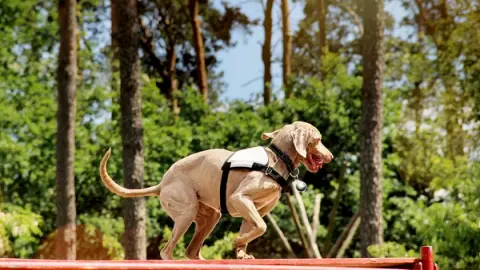
A joyful dog usually shows it with a loose body and a tail that is wagging enthusiastically. You might see this when you pick up the leash for a walk, rustle the treat bag, or come home after being away.
These big, sweeping wags often involve the whole back end of the dog, sometimes with a little happy dance. When you see this relaxed, full-body wag, it is a strong sign your dog is genuinely pleased and excited to see you or enjoy an activity.
When Your Dog Wants Affection
Sometimes the tail wag is smaller and lower, with the dog gently sidling up to you. A dog that holds their tail at a slightly lower height and wags it in short, quick motions while leaning in or nudging your hand is often asking for attention or reassurance.
In these moments, your dog may be seeking petting, cuddling, or simply your calm presence. Responding with gentle touch and soft words can help your dog feel secure and deepen your bond.
When Your Dog Is On Alert
A dog that is alert or feeling defensive often raises their tail higher than usual. The tail may stand tall and still, or it may begin to twitch or wag in short, tight movements.
This posture can appear when your dog spots another dog, hears an unfamiliar sound, or encounters a stranger. A high, stiff tail combined with a tense body is a sign to proceed carefully, increase distance if needed, and help your dog feel safer before the situation escalates. This can reduce the risk of dog to dog conflicts or defensive behavior toward people.
When Your Dog Is Anxious Or Afraid
When dogs feel worried, uncertain, or frightened, their tails usually drop to a lower position. Their hindquarters may sink slightly, creating what many people describe as a “crouched” or “hesitant” posture.
In more intense fear, the tail may tuck tightly between the hind legs, and the dogs body may crouch even closer to the ground. In these situations, offer calm reassurance, speak in a gentle voice, and avoid forcing your dog toward whatever is scaring them. Giving them space and comfort helps rebuild their sense of safety.
Understanding Your Dogs Facial Expressions
Dogs have surprisingly rich facial expressions, especially when they live closely with humans. Over time, many pet parents learn to recognize their dogs “happy face,” “sad face,” or even the look they give after getting into mischief.
By paying attention to subtle changes around the eyes, mouth, and overall head position, you can better interpret what your dog is feeling and respond in a way that supports their emotional health.
When Your Dog Is Focused
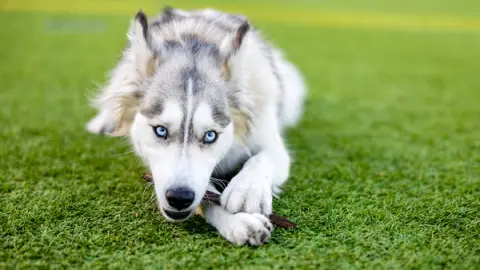
A focused dog often has a closed mouth and a steady gaze fixed on one point. The body may be still, with ears and eyes directed toward whatever has captured their attention.
This expression can appear when your dog is watching a toy, tracking a sound, or concentrating during training. A calm, focused face usually signals heightened interest or mild tension, not necessarily aggression. It can be an ideal moment to reward attention and reinforce training cues.
When Your Dog Seems Sad Or Disappointed
A dog that looks “down” may lower their head slightly, soften or avert their gaze, and let their shoulders droop. This is different from the relaxed, half-closed eyes of a sleepy dog; the overall impression is one of discouragement or disappointment.
You might notice this expression after a scolding, a change in routine, or when a favorite activity is interrupted. While we should avoid over humanizing dogs, acknowledging their emotional state and offering calm, positive interaction can help them recover confidence.
When Your Dog Is Calm And Content
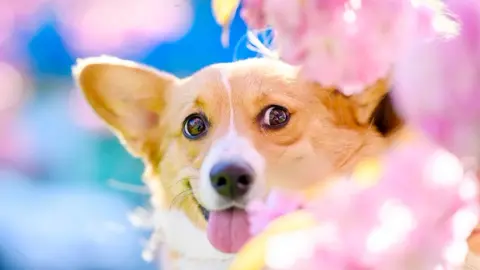
Many pet parents notice that when their dog is resting at home, gently leaning against them or lying nearby, the dogs face can look almost like a smile. The eyes may be soft, the mouth slightly open, and the overall expression relaxed.
This is not your imagination. A relaxed, “smiling” expression often reflects a dog that feels safe, comfortable, and connected to their family. Your own calm, relaxed mood can help your dog reach this state, as dogs are highly sensitive to human emotional cues.
When Your Dog Is Angry Or Ready To Defend
A truly angry or defensive dog usually has a very clear facial expression. The lips pull back to expose the teeth, the nose wrinkles, and the eyes may harden or narrow. A low growl or snarl often accompanies this look.
When you see bared teeth, wrinkled muzzle, and hear growling, your dog is giving a serious warning. Experts recommend increasing distance from the trigger, avoiding punishment, and calmly removing your dog from the situation when it is safe to do so. Later, working with a qualified trainer or behavior professional can help address the underlying cause.
Reading Your Dogs Ears
Dogs communicate not only with their tails and faces but also with their ears. Ear position can shift quickly in response to sounds, sights, and emotional changes.
Because ear shape varies widely by breed, it is important to interpret ear signals together with the rest of the body language. Looking at ears, eyes, mouth, tail, and posture as a whole gives you the clearest picture of how your dog feels.
When Ears Are Folded Back
When a dog folds their ears back, it can signal two very different emotional states. In a relaxed, affectionate context, the eyes may soften, the mouth may look slightly “smiley,” and the dog may lean into you or nuzzle your hand.
In this case, ears gently laid back often indicate friendliness, relaxation, or a desire for affection. Your dog may be enjoying petting, grooming, or quiet time with you.
However, ears pinned back can also appear when a dog is anxious or fearful. The eyes may look away, the head may lower, and the dog might avoid direct eye contact with their pet parent. If the ears are tight against the head and the body looks tense or crouched, it is more likely a sign of worry than contentment.
When Ears Are Upright And Alert
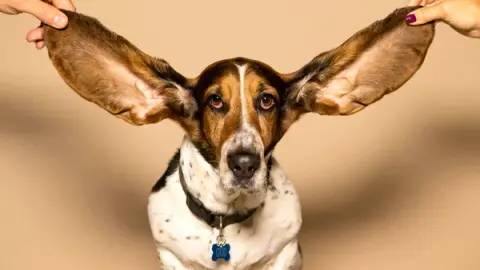
Ears standing upright or pricked forward usually indicate interest, curiosity, or alertness. Your dog may be listening intently to a sound, watching movement outside the window, or focusing on a person or animal.
This ear position often appears together with a focused facial expression and a still body. It is not automatically a sign of aggression; instead, it shows that your dog is gathering information. Pet guardians can use this moment of attention to redirect, reward calm behavior, or create distance if the situation seems overwhelming.
Dogs Also Read Human Emotions
Dogs do more than express their own feelings; research suggests they are also skilled at reading human emotions. Many dogs become visibly brighter and more energetic when their pet parents are cheerful, and they may appear subdued or concerned when they sense sadness or stress.
Over time, dogs learn to associate human facial expressions, tone of voice, and body posture with specific outcomes. When you are relaxed and positive, your dog is more likely to feel secure and content. When you are tense or upset, your dog may mirror that unease.
This emotional connection is one reason dogs are considered true family members by so many people. They do not just live alongside us; they share in our daily joys and challenges.
Building A Deeper Bond Through Better Understanding
Learning to read your dogs tail, ears, and facial expressions is not about perfection; it is about paying closer attention to the companion who is already trying to communicate with you every day.
By noticing when your dogs tail is high or low, when their ears are forward or back, and how their face changes with different emotions, you can respond more thoughtfully to their needs. This awareness helps you comfort them when they are anxious, celebrate with them when they are joyful, and step in early when they feel stressed or overwhelmed.
As you continue this journey of observation and understanding, your dog will likely become even more responsive to you as well. Over time, this two way communication builds trust, strengthens your relationship, and creates a more harmonious life together for both you and your dog.
- 03.21.2026
- 04.12.2017

Hiiroiro
I grew up in an environment where animals were always by my side, and as an adult, I have continued to share my life with dogs. I have lived with countless animals throughout my life. I look forward to sharing many articles about animals with you. Thank you for having me.