Dangerous Foods Hamsters Should Never Eat And What To Offer Instead
This article is an English translation of the original Japanese article. Read the original Japanese version.
Hamsters may look like they can nibble on anything, but some everyday human foods can cause life‑threatening poisoning or digestive problems. Learn which ingredients to avoid completely and how to build a safe, balanced diet that helps your hamster stay healthy and live longer.
Key takeaways
Q. What foods are absolutely dangerous and must not be given to hamsters?
Onions and related plants, chocolate and cocoa, caffeinated drinks, avocado, raw beans, citrus fruits, and sticky foods like mochi or bread must not be given.
Q. What are the basic foods that are safe to feed hamsters?
The basics are hamster-specific pellets plus small amounts of raw-edible vegetables like cabbage or carrots and not-too-sweet fruits like apples or bananas.
Q. Are there any precautions when giving commercial treats or human snacks?
Human snacks are absolutely off-limits even in small amounts. For commercial hamster treats, avoid those high in sugar, honey, or flour as they can cause obesity and diabetes.
Many pet parents assume that because hamsters and other small rodents are enthusiastic nibblers, they can safely sample almost anything. In reality, quite a few foods that are perfectly normal for humans can be dangerous or even life threatening for hamsters.
Even a “tiny taste” of the wrong snack can trigger serious poisoning or severe digestive upset in such a small body. This guide walks you through the main foods hamsters should never eat and highlights practical feeding tips to support a long, healthy life.
What Makes Some Foods Harmful For Hamsters
Hamsters have very small bodies and fast metabolisms, which means even small amounts of certain ingredients can have a big impact on their health. Their organs and digestive systems are not designed to handle many components of human food.
Human snacks and table foods are especially risky. Salt, sugar and fat that seem moderate to us can place excessive strain on a hamster’s heart, kidneys, liver and digestive tract. Processed foods like potato chips, cookies and deli meats are therefore considered unsafe.
In addition, some ingredients such as onions and chocolate are known to be toxic to many companion animals in general, and hamsters are no exception. Pet guardians should treat these foods as completely off limits.
Common Foods That Can Cause Poisoning Or Digestive Problems
Below are some of the most important foods experts recommend keeping away from hamsters entirely.
Onion, Leek, Garlic And Other Allium Vegetables
Onions, green onions, leeks, garlic and related vegetables are common in human cooking but are dangerous for many mammals, including hamsters. Compounds in these plants can damage red blood cells and may lead to anemia and other poisoning symptoms.
Because hamsters are so small, even a little seasoning or a small cooked piece mixed into other food can be a problem. It is safest to avoid all allium vegetables in any form.
Chocolate And Cocoa Products
Chocolate, cocoa powder and foods made with them contain theobromine, a compound that can negatively affect the central nervous system and heart in small animals. Dark chocolate and baking chocolate are especially concentrated.
Even if a hamster seems eager to taste chocolate, no amount is considered safe, so these treats should be kept completely out of reach.
Caffeinated Drinks Such As Tea And Coffee
Beverages that contain caffeine, including tea, coffee and many energy drinks, can cause a rapid increase in heart rate and may lead to agitation or tremors in hamsters.
Because of their size, even a small sip can be too much, so hamsters should only have access to fresh, clean water and never to caffeinated drinks.
Avocado
Avocado contains a substance called persin, which has been associated with toxic effects in several animal species. While sensitivity can vary, hamsters are considered at risk.
Given the potential for poisoning and the high fat content, experts recommend avoiding avocado entirely for hamsters.
Raw Beans And Other Raw Legumes
Raw beans and some other raw legumes, such as raw soybeans or raw green beans, can cause digestive upset and may contain natural compounds that are harmful when not cooked.
Although some legumes become safer after proper cooking, there is no nutritional need to offer them to hamsters, and the risk of undercooking or misidentifying safe varieties is high. Most pet guardians are better off skipping beans altogether.
Citrus Fruits Such As Lemon And Mandarin Orange
Citrus fruits are highly acidic. In hamsters, this strong acidity can irritate the stomach and intestines and may lead to diarrhea or general digestive discomfort.
Because there are many gentler fruit options, it is wise to avoid citrus fruits for hamsters.
Sticky Foods Such As Mochi And Soft Bread
Very sticky or glutinous foods, including mochi, certain rice cakes and soft, gummy breads, can adhere to the mouth, teeth or throat. In a small animal, this can increase the risk of choking or obstruction.
Even if these foods seem soft, they are not appropriate for hamsters. Safer treats with a more crumbly or crisp texture are preferable.
These examples show that even foods that appear “healthy” or harmless to humans can be surprisingly risky for a hamster’s delicate body.
How To Tell Safe Foods From Unsafe Ones
A safe hamster diet is built primarily around high‑quality, species‑appropriate pellets, with small amounts of fresh vegetables, fruits and grains as occasional extras. This foundation helps ensure balanced nutrition and reduces the temptation to rely on random human foods.
When deciding whether a particular food is appropriate, consider two key questions: Will it be easy for a hamster to digest, and does it contain any known toxins or strong irritants? If the answer to either is uncertain, it is best to avoid it.
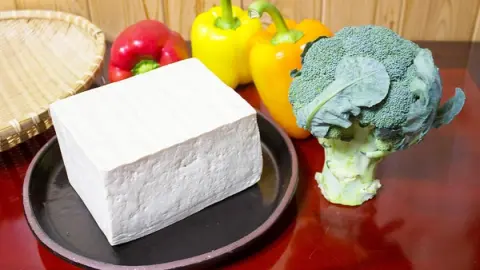
Many vegetables that humans can eat raw, such as cabbage, carrot and broccoli, are generally safe for hamsters in very small, washed portions. Mild fruits like apple or banana can also be offered sparingly as treats, as long as seeds and pits are removed and portions are tiny.
On the other hand, foods with very high water content, such as cucumber or watermelon, and very sugary fruits like grapes or persimmon, should be limited. Overfeeding these can contribute to diarrhea, obesity or blood sugar issues.
It is also important to remember that different parts of the same plant can vary in safety. For example, a small piece of ripe tomato flesh may be tolerated in moderation, but the leaves and stems of the tomato plant are considered unsafe and should never be offered.
Whenever you find yourself wondering, “Can my hamster eat this?” the safest approach is to research the food using reliable, small‑animal‑focused sources or choose not to offer it at all.
Rethinking Everyday Treats
Sharing snacks can feel like a way to bond, so many pet guardians are tempted to offer “just a bite” of whatever they are eating. However, treat time is exactly when extra caution is needed.
Even commercial hamster treats are not automatically healthy. Some products contain large amounts of sugar, honey, flour or other fillers that can contribute to obesity, diabetes and other metabolic problems over time.
Before buying or offering a packaged treat, read the ingredient list carefully. Options with minimal added sugar, limited simple carbohydrates and no unsafe ingredients are a better choice.
Human snacks should not be shared, even in tiny amounts. A hamster’s enthusiastic reaction to a sweet or salty food does not mean it is safe. “Tastes good” does not equal “good for health,” especially for such a small animal.
Supporting A Longer, Healthier Life Through Nutrition
Most hamsters live around two to three years, but thoughtful nutrition and consistent daily care can help them stay active and comfortable for as long as possible. Food choices play a major role in that quality of life.
Every day, pet parents decide what goes into the food dish. In many ways, a hamster’s health is closely tied to those choices. Avoiding dangerous foods completely and focusing on balanced, appropriate options is one of the most powerful ways to protect your pet.
Aim to eliminate known harmful foods from your home’s “hamster menu” and to offer a diet centered on complete pellets, with carefully selected fresh foods as small bonuses. Over time, these small decisions add up to better weight control, more stable energy and fewer digestive upsets.
The most effective way to safeguard your hamster’s well‑being is a combination of accurate knowledge and everyday attentiveness. Take a moment today to review what you are feeding, check labels on treats and remove any risky items from your routine.
By making informed, consistent choices now, you can help your hamster enjoy more good days, more comfortable nights and a safer, happier life by your side.
- 03.20.2026
- 04.16.2025