How Your Dog’s Super Nose Affects Their Health And Happiness
This article is an English translation of the original Japanese article. Read the original Japanese version.
Your dog’s nose can detect scents at levels humans can barely imagine, and that incredible sense of smell shapes their daily life and long‑term health. Learn how to protect your dog from harmful fragrances while using comforting scents to support calm, confidence, and well‑being.
Living with a dog, it is hard not to be amazed by their nose. They can zero in on a single spot on the ground during a walk, or seem to know a pet parent is almost home long before the key turns in the door. That impressive behavior is not a coincidence – it reflects a sense of smell that is fundamentally different from our own.
So how powerful is a dog’s nose really, and what does that mean for their health, comfort, and daily environment? Understanding the science behind canine scent can help pet guardians make smarter choices at home.
How Powerful Is A Dog’s Sense Of Smell
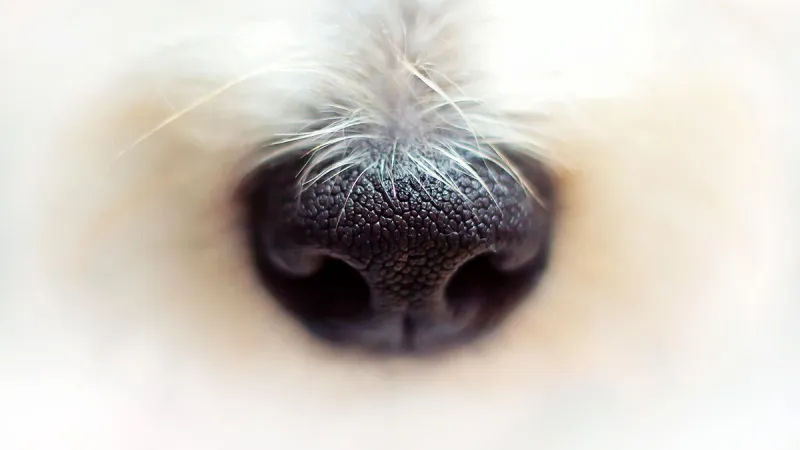
Dogs are built to live in a world of scent. While humans are estimated to have around 5 million olfactory receptors, dogs have roughly 200 to 300 million scent receptors, depending on the individual and breed. This gives them a dramatically higher capacity to detect and distinguish odors.
The part of the brain that processes smell, called the olfactory bulb, is also far more developed in dogs. Relative to brain size, it is more than 40 times larger than in humans. In practical terms, a dog’s brain is structurally designed to collect, sort, and interpret scent information all day long.
Sensitivity does vary by breed. Scent hounds such as Beagles and Bloodhounds are among the top performers, with research suggesting their scent detection can be tens of thousands to up to around one hundred million times more sensitive than a human’s in certain conditions. Bloodhounds in particular are famous for tracking a scent trail that is days or even weeks old.
Conversely, brachycephalic breeds with shorter muzzles, such as Pugs and Bulldogs, generally have less surface area inside the nose and somewhat reduced scenting ability. Even so, their sense of smell still far exceeds that of humans by thousands of times, which means everyday odors can feel intense to them.
When Fragrance Becomes A Health Hazard For Dogs
Because dogs experience the world so strongly through their noses, scents that seem mild or pleasantly strong to humans can be overwhelming or even harmful to them. What feels like a light fragrance to you may be a constant, irritating cloud to your dog.
Common culprits include perfumes, room sprays, plug‑in air fresheners, and some essential oils. Certain oils, such as tea tree, eucalyptus, and cinnamon, are known to pose toxicity risks for dogs if inhaled in concentrated amounts, absorbed through the skin, or ingested. Experts recommend keeping these products well away from pets and avoiding diffusing them in shared spaces unless a veterinarian has confirmed they are safe and appropriately diluted.
Tobacco smoke and incense are also problematic. Secondhand smoke can irritate the airways, contribute to chronic coughing, and increase the risk of respiratory disease in dogs. Incense and heavy smoke from candles can have similar effects, especially in dogs with existing respiratory or cardiac issues.
In addition, strong chemical odors from cleaning products, paints, solvents, and some insecticides can enter the body through inhalation. Over time, these exposures may contribute to irritation, allergic reactions, or even toxicity. Curious dogs often move closer to investigate new smells, which can increase their exposure.
For safer daily care, pet guardians can:
- Choose fragrance‑free or low‑fragrance household products whenever possible
- Avoid spraying perfumes, hairsprays, or room sprays near their dog
- Keep dogs out of freshly cleaned, painted, or treated rooms until odors have fully dissipated
- Consult a veterinarian before using any essential oils or diffusers in a home with pets
Signs Your Dog Finds A Smell Unpleasant
Dogs do not wrinkle their noses the way humans do, so it can be easy to miss when a scent is bothering them. Instead, they communicate discomfort through more subtle body language and changes in behavior.
Common signs that a dog may find a smell too strong or unpleasant include:
- Sniffing rapidly, then abruptly stopping and pulling away
- Sneezing, snorting, or repeatedly blowing air out through the nose
- Turning the head away from the source of the odor or trying to leave the area
- Pawing or rubbing at the nose or mouth right after sniffing something
- Showing stress signals such as ears pinned back, tail tucked, lip licking, or yawning
Because dogs treat scent as information, they may continue to sniff something even if they dislike it, simply to understand what it is. A dog that keeps investigating a strong odor is not necessarily enjoying it. If you notice tension in their body, avoidance, or repeated sneezing, it is wise to remove or reduce the scent source.
Paying attention to these small cues allows pet guardians to adjust the environment before discomfort turns into chronic stress or respiratory irritation.
Scents That Can Support Your Dog’s Well‑Being
Not all smells are problematic. In fact, some scents can be deeply comforting or even beneficial for dogs when used thoughtfully. The most powerful of these is often the scent of their own family.
A pet parent’s natural scent is a major source of security and emotional connection for many dogs. Research using brain imaging has shown that when dogs smell their guardian’s scent, the reward centers of their brains light up, similar to how they respond to favorite treats or play. This helps explain why dogs with separation anxiety may settle more easily when they have access to an unwashed T‑shirt, blanket, or bedding that smells like their person.
Familiar scents from canine or feline housemates can also be reassuring, especially in multi‑pet homes where animals have positive relationships. Maintaining consistent bedding and avoiding overly perfumed laundry products can help preserve these comforting smells.
Some plant‑based scents may offer additional support. For example, lavender and chamomile are often cited for their calming properties and have been used in controlled ways to help some dogs relax. However, not all herbal or essential oil products are safe, and concentration matters. Pet guardians should always:
- Discuss any aromatherapy or herbal products with their veterinarian first
- Use only pet‑safe formulations recommended by a qualified professional
- Introduce any new scent gradually and monitor their dog’s response
Food aromas are another powerful tool. The smell of chicken, beef, or other high‑value foods can stimulate appetite in dogs that are recovering from illness or feeling stressed. Warming food slightly or adding a small amount of aromatic, dog‑safe broth can make meals more appealing, under veterinary guidance.
Helping Your Dog Thrive In A World Of Scent
A dog’s sense of smell is estimated to be thousands to up to around one hundred million times more sensitive than ours, depending on the breed and situation. That extraordinary ability allows them to gather rich information from their environment, but it also means strong or harsh odors can quickly become overwhelming, stressful, or even dangerous.
At the same time, your scent and the familiar smells of home can be a powerful source of comfort. For many dogs, the smell of their pet parent is a signal that they are safe, loved, and connected – a kind of invisible reassurance that travels with them.
By noticing which scents your dog seeks out and which they try to avoid, you can make more informed choices about cleaning products, fragrances, and even how you store your own clothing and bedding. Creating a home filled with gentle, familiar, and dog‑friendly scents is a simple but meaningful way to support your dog’s physical health and emotional security.
As you move through daily life together, consider your dog’s nose as one of their most important senses. Protect it from unnecessary irritation, offer comforting smells when they need reassurance, and let them enjoy safe opportunities to sniff and explore. Those small choices can help build a calmer, healthier, and happier life for both of you.
- 03.02.2026
- 09.17.2025