Leptospirosis in Dogs and People How to Spot Early Signs and Protect Your Family
This article is an English translation of the original Japanese article. Read the original Japanese version.
Leptospirosis is a serious bacterial disease that can affect both dogs and humans, especially after heavy rain or in warm, wet seasons. Learn how to recognize early warning signs, reduce your dog’s risk outdoors, and protect everyone in your household.
In many regions, leptospirosis is an under‑recognized threat for dogs and the people who love them. This bacterial disease spreads through water and soil, and cases often rise in warm, rainy months. Understanding how it spreads, what it looks like, and how to prevent it can help pet parents act quickly and confidently.
What Is Leptospirosis and Why It Matters for Pet Parents
Leptospirosis is a bacterial infection caused by spiral‑shaped Leptospira species. These bacteria are shed in the urine of infected wildlife, especially rodents, and then contaminate puddles, mud, ponds, and moist soil.
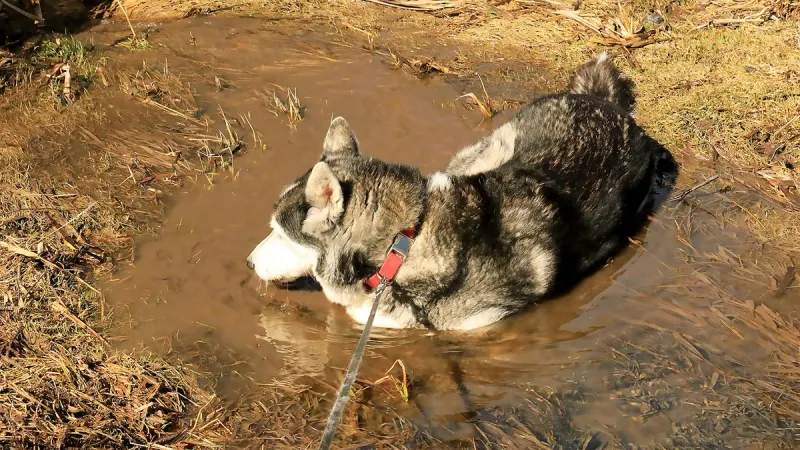
Dogs are usually exposed when they walk, play, or swim in contaminated water or mud, or when they groom themselves after an outdoor adventure. The bacteria can enter the body through small cuts in the skin or through the mouth, nose, or eyes.
Because leptospirosis is a zoonotic disease, it can also infect humans. That means a sick dog can pose a potential health risk to pet guardians and family members, especially if there is contact with infected urine.
How Dogs Commonly Get Infected
Veterinary reports show that dogs are more likely to encounter leptospira in situations like these:
- Walking through or drinking from puddles or standing water after rain
- Playing on muddy riverbanks, lakeshores, or floodplains
- Swimming or wading in slow‑moving or stagnant ponds and ditches
- Licking their fur and paws after outdoor activities in wet or muddy areas
In these environments, urine from infected rodents or other wildlife can mix with water and soil. Once the bacteria contact your dog’s skin, especially if there are tiny abrasions, or the moist tissues of the mouth and eyes, infection can occur even without visible wounds.
Symptoms of Leptospirosis in Dogs
Leptospirosis can look like many other illnesses at first, which is why early veterinary evaluation is critical. Symptoms can range from mild to rapidly life‑threatening.
Common signs reported in dogs include:
- Fever and sudden lethargy
- Loss of appetite or reduced interest in food
- Vomiting and diarrhea
- Changes in urination such as drinking and peeing much more than usual or, conversely, producing very little or no urine
- Jaundice, where the whites of the eyes, gums, or skin appear yellow
- Muscle pain or abdominal pain, sometimes shown as a hunched back or reluctance to move
- Fast breathing, coughing, or blood‑tinged sputum
In severe cases, leptospirosis can cause acute kidney failure, liver failure, and a dangerous form of lung bleeding that can be fatal even with intensive care. Because the disease can progress quickly over just a few days, any combination of these signs warrants prompt veterinary attention.
A Shared Health Risk for Dogs and Humans
One of the most important aspects of leptospirosis is that it is not just a canine disease. Humans can become infected through contact with contaminated water or soil, or through the urine of an infected animal.
For pet parents, this means that a dog with leptospirosis is not only medically fragile but also a potential source of infection for the household. Good hygiene and careful handling of urine and soiled materials are essential until your veterinarian confirms that the risk has passed.
In some countries, leptospirosis is more frequently reported in warm, humid regions, but sporadic cases can occur in urban and suburban areas as well, especially after heavy rain or flooding. Pet guardians should stay alert during the rainy season and after storms, regardless of where they live.
How to Reduce Your Dog’s Risk of Leptospirosis
The good news is that several practical strategies can significantly lower your dog’s risk. A combination of vaccination, smart outdoor habits, and basic hygiene offers strong protection for both dogs and people.
Vaccination for Leptospirosis
Veterinary experts widely agree that vaccination is one of the most effective tools for reducing the severity and spread of leptospirosis.
For most dogs, the typical schedule is:
- Initial series of two injections, given a few weeks apart
- Booster once a year thereafter, or as recommended by your veterinarian
Modern canine leptospirosis vaccines usually protect against multiple serovars (strains) such as Canicola, Icterohaemorrhagiae, Grippotyphosa, and Pomona. In some regions, other serovars like Hebdomadis may also be relevant.
Because the prevalent strains vary by area, pet parents should discuss local risk and vaccine options with their veterinarian. Your vet can recommend the most appropriate product and schedule based on your dog’s lifestyle and regional disease patterns.
It is important to understand that no vaccine offers 100 percent protection against infection. However, research and clinical experience show that vaccinated dogs are far less likely to develop severe, life‑threatening disease, and vaccination can also help reduce bacterial shedding into the environment.
Avoiding High‑Risk Water and Mud
Most dogs become infected when they come into contact with contaminated water or wet soil. Adjusting your walking and play routines can dramatically lower exposure.
Try to avoid the following environments, especially in warm, rainy seasons:
- Puddles and standing water after rain
- Muddy riverbanks or floodplains
- Stagnant ponds or slow‑moving ditches
- Irrigation channels or drainage areas where water collects
If your dog loves outdoor adventures, take extra care in summer and after heavy rainfall. Opt for cleaner, flowing water sources where possible, and discourage your dog from drinking from puddles or unknown natural water sources.
Managing Rodents Around Your Home
Rodents are a major reservoir for leptospira bacteria, shedding the organism in their urine. Reducing rodent activity around your home can help protect your dog.
Consider these steps:
- Store food waste and trash in tightly sealed containers
- Avoid leaving dog food or treats out overnight, indoors or outdoors
- Seal gaps and cracks in walls, doors, and foundations where rodents could enter
If you find areas where rodent droppings or urine may be present, clean them carefully. Wear rubber or disposable gloves, use paper towels to remove organic material, and then disinfect with a household bleach solution diluted 1 part bleach to 10 parts water or another vet‑approved disinfectant. Ensure good ventilation and wash your hands thoroughly afterward.
Safe Handling of Your Dog’s Urine
If your veterinarian suspects or confirms leptospirosis, minimizing contact with your dog’s urine is essential to protect everyone in the household.
Follow these precautions:
- Wear gloves when cleaning any urine accidents
- Use absorbent materials (paper towels or disposable cloths) and place them in a sealed bag before discarding
- Disinfect the soiled area with an appropriate disinfectant, such as a diluted bleach solution, following label instructions
- Wash your hands thoroughly with soap and water after any cleanup
Avoid using high‑pressure hoses or pressure washers to clean contaminated areas, as they can create fine droplets that spread bacteria into the air. Instead, clean gently and methodically to limit splashing.
Recognizing Possible Infection at Home
While only a veterinarian can diagnose leptospirosis, pet parents are often the first to notice subtle changes. Being familiar with early warning signs can help you seek care before the disease progresses.
Contact your veterinarian promptly if you notice:
- Sudden lethargy, weakness, or fever
- Vomiting or diarrhea, especially if persistent
- Marked changes in drinking or urination, such as drinking excessively or barely urinating at all
- Yellow discoloration of the whites of the eyes, gums, or skin
- Signs of abdominal discomfort or reluctance to have the back or belly touched
- Coughing, blood‑tinged sputum, or unusually fast breathing
If these signs worsen over a few days or appear in combination, treat the situation as urgent. Do not wait to see if it passes on its own; early treatment can be lifesaving.
How Veterinarians Diagnose Leptospirosis
At the clinic, your veterinarian will combine physical examination, history, and diagnostic tests to evaluate your dog. Because leptospirosis can mimic other diseases, a structured approach is essential.
Common diagnostic steps include:
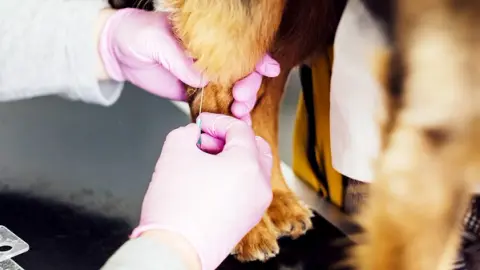
- Blood tests to assess kidney and liver function, electrolyte balance, and signs of inflammation
- Urinalysis to look for protein, white blood cells, abnormal concentration, and other changes
- PCR testing to detect leptospira DNA in blood or urine
- Antibody testing (such as MAT) to measure the immune response to leptospira
- Imaging such as ultrasound or X‑rays to evaluate the kidneys, liver, and lungs
PCR testing is often more sensitive in blood samples early in infection, and more sensitive in urine samples later on, so your veterinarian may choose the sample type based on when symptoms began.
Antibody tests can be very helpful, but they are usually most informative when paired samples are taken: one during illness and another during recovery. A fourfold or greater rise in antibody levels between these samples strongly supports a diagnosis of leptospirosis.
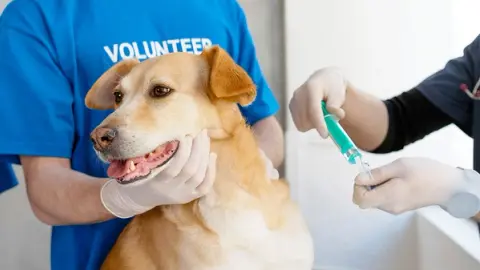
Because waiting for all test results can take time, veterinarians often begin treatment as soon as leptospirosis is strongly suspected, rather than delaying therapy. Early antibiotics and supportive care significantly improve the chances of recovery.
Making the Most of the Leptospirosis Vaccine
In many regions, the leptospirosis vaccine is considered strongly recommended or functionally essential for certain dogs, even if it is not legally classified as a core vaccine.
Your veterinarian may especially recommend annual vaccination if your dog:
- Frequently enjoys outdoor activities such as hiking, camping, or swimming
- Regularly walks along riverbanks, lakes, or flood‑prone areas
- Lives in or visits areas with high rodent populations or poor sanitation
For these dogs, staying up to date with yearly boosters is a key part of preventive care.
Many dog parks, boarding facilities, grooming salons, and pet hotels are increasingly requesting proof of leptospirosis vaccination as part of their health requirements. Keeping your dog current on this vaccine can therefore be seen not only as disease prevention, but also as a responsible community practice that helps protect other pets and people.
Turning Knowledge Into Everyday Protection
Leptospirosis may not be the first disease that comes to mind for many pet guardians, but cases often rise in warm, rainy seasons and after heavy storms, making it a real concern in many environments.
The encouraging news is that simple, consistent habits go a long way. Vaccinating on schedule, avoiding high‑risk water and mud, managing rodents around your home, and handling urine safely can dramatically reduce risk for both your dog and your family.
If you ever notice worrying signs such as fever, vomiting, changes in urination, jaundice, or breathing difficulties, contact your veterinarian without delay. Early action can protect your dog’s kidneys, liver, and lungs, and may prevent serious complications.
By staying informed and working closely with your veterinary team, you can enjoy outdoor adventures with your dog while keeping leptospirosis risk in check. A little awareness today can help safeguard your dog’s health—and your family’s well‑being—for years to come.
- 03.02.2026
- 09.10.2025