Is Your Dog’s Eye Discharge or Drooling Normal Or A Red Flag
This article is an English translation of the original Japanese article. Read the original Japanese version.
Noticing more eye gunk or drool on your dog than usual can be worrying, but not every change means something is wrong. Learn how to tell what is normal, what signals a possible health issue, and when pet parents should call the vet without delay.
Wiping away eye gunk or drool is part of everyday life for many pet parents. But when you suddenly see more than usual, it is natural to wonder whether your dog is just a bit messy today or quietly developing a health problem.
This guide explains which eye discharge and drooling patterns are considered normal, which changes can signal illness, and how to decide when your dog needs a veterinary visit.
What Do Eye Discharge And Drool Actually Do
Eye discharge (often called “eye gunk” or “sleep”) is made up of old cells, dust, and other waste products that the eye naturally clears away. In a healthy dog, tears and blinking help move this material toward the inner corner of the eye, where it can dry and be wiped away.
During sleep, your dog is not blinking, so this material tends to build up. That is why a small amount of soft, light-colored eye discharge in the morning is usually normal.
Drool (saliva) has several important jobs. It helps start the digestion of food, makes swallowing easier, and plays a role in regulating body temperature.
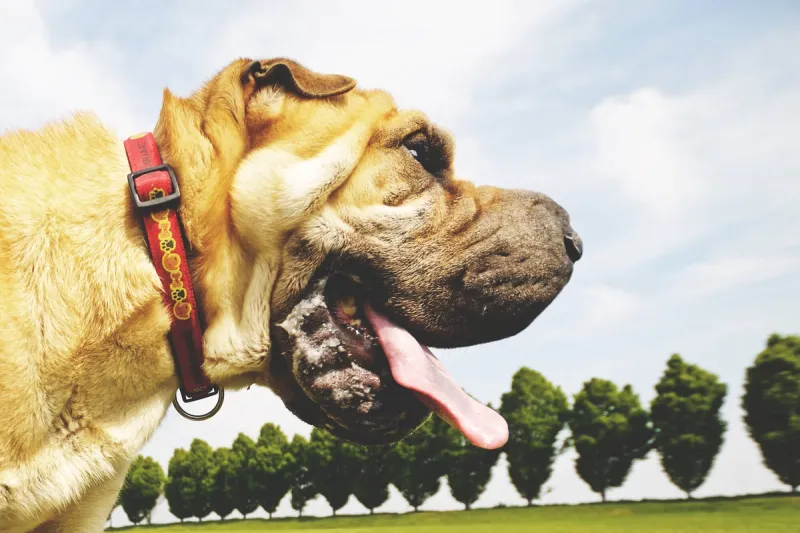
Just like humans, dogs produce more saliva when they smell something delicious or anticipate a meal. The brain sends signals to the salivary glands, and production ramps up. Some breeds naturally drool more than others, especially large or loose-lipped dogs.
Another major role of saliva is cooling the body. Dogs cannot regulate their temperature through sweating the way humans do. Instead, they pant, breathing rapidly with their mouths open. This panting helps release heat, and saliva on the tongue and in the mouth aids in that cooling process.
Saliva also contains substances with mild antibacterial effects. These help slow the growth of certain bacteria in the mouth and can support oral health, especially when combined with good dental care.
When To Worry About Eye Discharge
Eye discharge becomes concerning when there is more of it than usual, when the color or texture changes, or when it appears together with other eye symptoms.
Pet parents should be especially alert if they notice:
- A clear increase in the amount of discharge over several days
- Yellow or yellow-green discharge
- Thick, sticky, or stringy discharge that clings to the fur
Because it is difficult to judge eye health at home, experts recommend having any sudden or persistent change in eye discharge checked by a veterinarian promptly.
Yellow Or Greenish Discharge Could Signal Conjunctivitis
The conjunctiva is the thin, moist membrane covering the white part of the eye and the inside of the eyelids. Because it is exposed to the outside world, it is easily irritated and prone to inflammation, known as conjunctivitis.
When viruses or bacteria infect this tissue, the conjunctiva can become red, swollen, and uncomfortable. Affected dogs often develop thick yellow or yellow-green discharge, and the eye may look bloodshot.
You may also see your dog rubbing their face on the floor or furniture or pawing at their eyes because of itchiness or irritation. Any red eye with colored discharge should be evaluated by a vet as soon as possible, as infections can worsen quickly.
More Blinking And Discharge May Point To Keratitis
The cornea is the clear surface that covers the colored part of the eye. In contrast to the conjunctiva, which covers the white of the eye, the cornea protects the front of the eye and is essential for vision.
Short-nosed breeds such as Pugs, Shih Tzus, and Bulldogs are especially prone to corneal injuries. Their prominent eyes can be accidentally scratched by toys, other pets, or even household objects during normal play.
When the cornea becomes inflamed, a condition called keratitis, dogs often experience pain, increased tearing, and more discharge. You may notice frequent blinking, squinting, or your dog keeping the eye partially closed.
If keratitis is left untreated, the cornea can develop ulcers or even perforations, which can lead to permanent vision loss. Any sign of eye pain or sudden squinting is an emergency and should be seen by a veterinarian immediately.
The Often Overlooked Problem Of Ingrown Or Misdirected Eyelashes
Eyelashes that grow in the wrong direction and touch the surface of the eye can cause constant irritation. This may feel like a sharp, prickling sensation every time your dog blinks.
Over time, this irritation can lead to excess tearing, increased discharge, and redness. Because the direction of the hair growth cannot be corrected at home, these lashes usually need to be removed periodically by a veterinarian.
Attempting to pluck or trim these hairs yourself can easily result in accidental injury to the eye. Pet guardians should always ask their vet to demonstrate safe management and follow professional guidance.
Dry Eye Is More Common In Certain Breeds
Some short-nosed and prominent-eyed breeds are also prone to dry eye. Because their eyes bulge slightly, the eyelids may not close completely, leaving part of the eye exposed and more likely to dry out.
When the eye surface is too dry, dogs may blink more often, and the body may respond by producing more tears and discharge in an attempt to protect the eye. Over time, this can lead to chronic irritation, pigment changes on the cornea, and vision problems.
If you notice frequent blinking, a dull or cloudy appearance to the eye, or thick, stringy discharge, ask your veterinarian about testing for dry eye. Early treatment can protect your dog’s comfort and long-term vision.
Styes And Eyelid Infections
Along the edge of the eyelid are small glands, including the meibomian glands, which produce oils that help keep the eye surface lubricated. When these glands become infected, often by bacteria or viruses, they can form a painful, pus-filled swelling commonly referred to as a stye.
A dog with a stye may have a red, swollen bump on the eyelid, increased tearing, and more discharge. Because this condition is uncomfortable, dogs may rub or scratch at the area, which can worsen the irritation.
Veterinary care is important to confirm the diagnosis and provide appropriate treatment, which may include medications and, in some cases, minor procedures.
When Is Drooling A Concern
Many healthy dogs drool, especially when they are hot, excited, or anticipating food. For some breeds, a wet chin and occasional drool slings on the wall are simply part of daily life.
For that reason, “more drool” does not always equal “serious illness” in dogs. However, drooling can also be a sign of underlying disease, so context matters.
Veterinary professionals often look for other symptoms that appear together with the drooling to decide whether it is likely to be normal or a sign of trouble.
In general, pet parents should be concerned and seek veterinary advice if drooling is accompanied by:
- Strong or foul-smelling breath
- A noticeable difference in the position of the corners of the mouth from left to right
- Abnormal eye movements, such as the eyes flicking or jerking side to side
- Facial movements that are not symmetrical, such as one side of the face drooping or not moving normally
These signs can point to problems in the mouth itself, issues with the nerves that control facial muscles, abnormalities in the salivary glands, or diseases of the digestive tract.
Common Oral Problems Behind Excess Drool
One of the most frequent causes of abnormal drooling in adult dogs is dental and gum disease, especially periodontal disease.
Dogs are less prone to cavities than humans because their oral pH is different, but they are very prone to tartar and plaque buildup. Food debris left on the teeth can begin to harden into tartar in as little as a few days.
If tartar is not removed, it continues to accumulate, eventually covering large portions of the teeth. This often leads to inflamed gums, pain when chewing, and very strong bad breath.
By the time tartar is thick and extensive, home care is usually not enough. Professional dental cleaning and tartar removal under anesthesia at a veterinary clinic becomes necessary.
Periodontal bacteria do not just stay in the mouth. They can enter the bloodstream and travel to other organs. Research in veterinary medicine has linked severe dental disease with an increased risk of heart problems and other systemic illnesses.
This is why experts strongly recommend regular dental checkups, daily tooth brushing when possible, and early intervention at the first signs of oral disease.
Drooling Related To Brain And Nerve Disorders
Some neurological conditions can also cause changes in drooling. One well-known example is epilepsy.
In certain dogs, an increase in drooling can be an early warning sign of an impending seizure. This may be accompanied by unusual behaviors such as staring into space, appearing confused, or showing rapid, involuntary eye movements.
Epilepsy can occur even in young dogs and is seen relatively often in some small breeds, including Chihuahuas. When seizures are frequent or severe, they can cause cumulative damage to the brain.
Veterinarians typically recommend ongoing medication and monitoring for dogs with recurrent seizures to protect their quality of life and long-term health.
Salivary Gland And Digestive Tract Issues
The glands that produce saliva, known as the salivary glands, can themselves become inflamed, blocked, or otherwise diseased. In these cases, dogs may drool more than usual, sometimes with swelling under the jaw or along the neck.
Digestive tract problems, such as nausea, stomach irritation, or foreign objects in the esophagus or stomach, can also trigger sudden, excessive drooling. Dogs may lick their lips repeatedly, swallow frequently, or seem restless and uncomfortable.
Because these conditions can range from mild to life-threatening, any sudden, heavy drooling combined with changes in behavior, appetite, or comfort should be evaluated by a veterinarian as soon as possible.
Supporting Your Dog’s Eye And Mouth Health Every Day
Eye discharge is one of the easiest health clues for pet guardians to spot. When you see your dog rubbing their face on the ground, pawing at their eyes, or blinking more than usual, it is worth taking a closer look.
Clean, bright eyes with a small amount of soft, light discharge are usually normal, especially in the morning. But colored, thick, or suddenly increased discharge, especially with redness or squinting, deserves prompt veterinary attention.
Drooling is more complex. Some dogs are naturally slobbery even when perfectly healthy, and pet parents quickly learn what is normal for their individual dog. There is usually no need to be overly anxious about drool alone.
However, strong odors, changes in facial symmetry, abnormal eye movements, or a sudden shift in behavior together with drooling can signal a medical problem. Because it can be difficult for non-specialists to judge the seriousness of these signs, timely veterinary evaluation is essential.
By staying observant, keeping up with routine checkups, and seeking help early when something seems off, pet guardians can protect their dog’s comfort, vision, and overall health for years to come.
Your attention to small daily changes is not just caretaking; it is an important part of building a lifetime of trust and well-being with your dog.
- 03.03.2026
- 01.04.2019

Sato
I am a mother of a one-year-old living in Tokyo. I have loved animals since I was young, and after graduating from a vocational school for animal care, I worked at a veterinary hospital for four years.