Hidden Summer Danger For Dogs Around Lakes And Rivers And How To Protect Them From Toxic Blue Green Algae
This article is an English translation of the original Japanese article. Read the original Japanese version.
Splashing in a cool river or lake with your dog sounds like the perfect summer day. But invisible toxins from blue green algae can turn that dream outing into an emergency, so knowing the warning signs and simple prevention steps can literally save your dog’s life.
Repeated Warnings About An Invisible Summer Threat
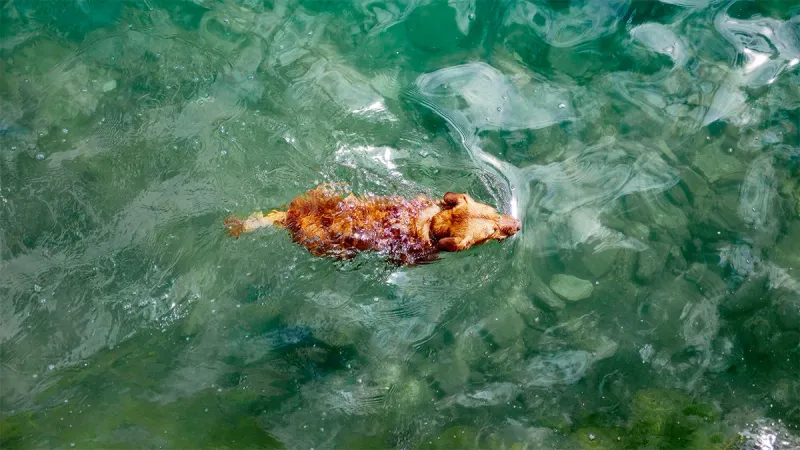
Many dogs adore water and will happily launch themselves into any lake, pond, or slow river they see. For pet parents, it looks like harmless fun. Yet in recent years, veterinarians in the United States, Canada, the United Kingdom, and Australia have reported multiple sudden deaths in dogs linked to toxic blue green algae, also known as cyanobacteria.
Experts are especially concerned because newer types of cyanobacteria can thrive even in clear, shallow water that looks perfectly safe at a glance. The British Veterinary Association has urged pet guardians to be extremely cautious and to keep dogs away from any water where blue green algae is suspected or confirmed, emphasizing that the risk is simply not worth it.
What Cyanobacteria Actually Are
Despite the name “blue green algae,” these organisms are not true algae. They are photosynthetic bacteria called cyanobacteria that have existed in natural waters for millions of years. Under the right conditions, they can multiply rapidly and form visible growths or mats.
Cyanobacteria are more likely to bloom when:
- Temperatures are high
- Sunlight is strong and the water is rich in nutrients such as phosphorus and nitrogen
- Water movement is limited, as in lakes, ponds, reservoirs, and slow, shallow stretches of rivers
Not all cyanobacteria are dangerous. However, some species produce powerful toxins known as cyanotoxins. Two of the most important for dog guardians to know are:
- Microcystins
These are liver toxins that can cause severe and often rapid liver damage. - Anatoxin A
This is a neurotoxin that affects the nervous system and can lead to muscle paralysis and respiratory failure.
Because dogs are much smaller than humans and often ingest contaminated water or lick it from their fur, even a very small amount of cyanotoxin can be life threatening.
The New Risk Hiding On The Riverbed
For many years, the classic image of blue green algae was a thick green scum or “pea soup” floating on the surface of a lake. That type of bloom is still dangerous. But in several countries, veterinarians and researchers are now seeing more cases linked to benthic mats.
Benthic mats are dense layers of cyanobacteria that cling to rocks, gravel, or sand on the bottom of rivers and streams. They can look like slimy sheets or clumps attached to stones. Pieces of these mats can break off, float to the surface, or wash up along the shore where curious dogs may sniff, lick, or chew them.
This means that even when the water looks crystal clear from above, it may still be unsafe if cyanobacterial mats are growing on the bottom or along the edges.
How To Spot Potentially Dangerous Water
Ideally, pet guardians should treat any natural body of water with caution, especially during hot, dry periods. However, there are specific warning signs that should prompt you to keep your dog completely away from the water and shoreline.
Avoid letting your dog swim, paddle, or drink if you notice:
- Water that looks like green soup or has streaks and swirls of green, blue green, or turquoise, as if paint has been poured in
- Foamy scum, floating clumps, or jelly like blobs collecting near the shore or in corners of ponds and lakes
- Slimy black, dark green, or brown mats coating rocks, sticks, or the water’s edge
- A strong earthy, musty, or rotten smell coming from the water
Even in a clear, fast looking stream, there may be sheet like mats of cyanobacteria attached to the riverbed. These often accumulate in sunny, shallow areas, along downwind shorelines, or in small pools where water movement slows.
If you are unsure whether a particular lake or river is safe, do not let your dog enter or drink from it. Bring your own fresh water and choose land based activities instead.
Why “As Long As They Don’t Drink It” Is Not True
A common misconception is that dogs are safe as long as they do not actively drink the water. Unfortunately, this is not the case. Dogs naturally lick their fur and paws after swimming or wading. If cyanobacteria or their toxins are on the coat, self grooming alone can be enough to cause poisoning.
Because of this, any time your dog has been in natural water, especially during warm weather, it is wise to treat them as if they may have been exposed and to clean them promptly.
After water play, experts recommend that pet guardians:
- Rinse the entire body thoroughly with clean, fresh water as soon as possible.
- Pay special attention to small or hidden areas such as between the toes, around the mouth, under the collar, and along the belly and groin.
- Dry your dog well with an absorbent towel and prevent them from licking their coat until you are confident they are clean.
These steps are not a guarantee, but they can significantly reduce the amount of toxin your dog might ingest if they were exposed.
Symptoms Of Cyanobacteria Poisoning In Dogs
One of the most alarming aspects of cyanotoxin exposure is how quickly symptoms can appear. In many cases, signs develop within minutes to a few hours after a dog has been in or near contaminated water.
Contact a veterinarian or emergency clinic immediately if your dog has recently been around a lake, pond, or river and you notice any of the following:
- Vomiting, diarrhea, or bloody stool
- Excessive drooling or foaming at the mouth
- Tremors, seizures, or sudden collapse
- Weakness, staggering, or difficulty walking
- Trouble breathing or very rapid breathing
- Loss of appetite, lethargy, or unusual quietness
- Yellowing of the gums, eyes, or skin (jaundice)
Liver damage from microcystins and nervous system damage from anatoxin A can progress extremely fast. Waiting to “see how things go” for a day can cost precious time and may reduce your dog’s chances of survival.
Veterinary experts stress that early treatment is critical. There is currently no specific antidote for cyanotoxins. Care focuses on intensive supportive treatment, such as managing shock, protecting the liver, supporting breathing, and treating seizures.
What To Do If You Suspect Exposure
If you think your dog may have come into contact with toxic blue green algae, staying calm and acting quickly can make a real difference. Consider the following steps:
- Remove your dog from the water immediately. Do not let them swim again or lick their fur.
- Rinse their entire body with clean, fresh water right away, ideally before they have a chance to groom themselves.
- Offer only safe drinking water that you brought with you. Do not allow them to drink from the lake, river, or any puddles nearby.
- Do not try to make your dog vomit at home unless a veterinarian specifically instructs you to do so.
- Do not give human medications or leftover pet medications without veterinary guidance.
When you contact your veterinarian or emergency clinic, having clear information ready can help the team respond faster. If possible, be prepared to share:
- The exact location of the water source (name, map pin, or photos of the area)
- The time your dog entered the water and how long they were in it
- When you first noticed symptoms and how they have changed
- A sample of the water or any vomit, if it is safe and practical to collect and transport
Always call ahead so the clinic can prepare for your arrival and advise you on the safest next steps.
Clear Water And Small Streams Are Not Automatically Safe
Heat waves and drought conditions can raise water temperatures and lower water levels in rivers, lakes, and ponds. These changes create ideal conditions for cyanobacteria to grow, even in places that looked safe in previous years.
Pet guardians should not rely on past experience alone. A river that was fine last summer may be hazardous this year. Before you let your dog near natural water, check for:
- Local advisories or warning signs about blue green algae
- Recent reports from park services, local authorities, or veterinary clinics
- Visible changes in water color, smell, or clarity
If there is any doubt, choose caution and keep your dog out of the water.
Practical Strategies To Reduce Your Dog’s Risk
Cyanobacteria are an invisible threat much of the time, and no strategy can eliminate the risk completely. However, a few consistent habits can dramatically lower the chances that your dog will be exposed.
Consider building these practices into your warm weather routine:
- Learn the visual and smell based warning signs of potentially toxic water and avoid those areas entirely.
- Bring plenty of fresh drinking water and a portable bowl so your dog is less tempted to drink from lakes, ponds, or rivers.
- Keep your dog on a leash near natural water, especially in unfamiliar areas or where visibility is poor.
- Rinse and dry your dog after any natural water play, even if the water looked clear and clean.
- Monitor your dog closely for several hours after swimming or wading, and contact a veterinarian promptly if anything seems off.
These steps are not about eliminating fun; they are about choosing safer ways to enjoy the outdoors together.
Making Every Water Adventure A Safe One
Summer outings by the water can be some of the happiest memories you share with your dog. By understanding how cyanobacteria behave, recognizing the warning signs, and acting quickly if you suspect exposure, you can greatly reduce the risk of a serious emergency.
When in doubt, do not let your dog enter or drink from questionable water. Opt for safer swimming spots, supervised splash pads, or even a kiddie pool filled with fresh tap water. With a bit of planning and awareness, you can help ensure that every trip to the river or lake ends the way it should with your dog safely back home, tired, clean, and ready for a well earned nap.
- 03.03.2026
- 08.20.2025