Summer Fruit Safety For Dogs The Best Treats And What To Avoid
This article is an English translation of the original Japanese article. Read the original Japanese version.
Watermelon, melon, mango and more can be refreshing summer treats for your dog, but some fruits are surprisingly dangerous. Learn which seasonal fruits are safe, which are off limits, and how to serve them so your dog can enjoy summer without health risks.
Safe Summer Fruits Dogs Can Enjoy
When chosen and served correctly, summer fruits can be a healthy, hydrating treat for dogs. Many are low in calories and packed with water, making them a smart option on hot days. However, every fruit has parts that dogs should not eat, and most contain natural sugars that can add up quickly.
Experts recommend treating fruit as an occasional snack, not a daily staple, and always adjusting portions to your dog’s size, weight, and overall health.
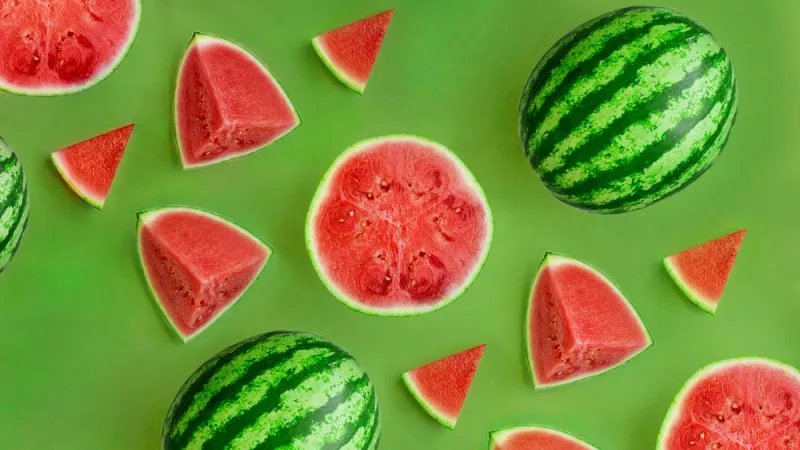
Watermelon
Watermelon flesh is generally safe for dogs and can be an excellent way to help them stay hydrated in hot weather. It is naturally low in calories and fat, which makes it a popular choice among veterinarians for a light summer treat.
However, always remove the seeds and rind completely. Seeds are difficult for dogs to digest and can pose a choking or intestinal blockage risk. The rind is tough and fibrous, which may lead to digestive upset or obstruction. Cut the seedless flesh into small, bite‑size pieces before offering it to your dog.
Melon
Melon (such as cantaloupe or similar varieties) can be safe for dogs in small, controlled amounts. Its high water content makes it refreshing, and many dogs enjoy the soft texture and natural sweetness, especially when they are a bit tired from summer heat.
That sweetness comes from natural sugars, so limit melon for dogs who are overweight, prone to weight gain, or living with diabetes. As with watermelon, remove all seeds and rind, and offer only the soft flesh in small cubes.
Peaches
Ripe peach flesh can be shared with dogs in moderation. It is juicy, aromatic, and often very appealing to dogs, but its high sugar content means it should remain an occasional treat rather than a regular snack.
The pit of a peach is dangerous. Peach pits contain cyanogenic compounds (often referred to as cyanogenic glycosides), which can release cyanide and cause poisoning if chewed or swallowed. The pit is also hard and can fracture teeth or cause a blockage. Always remove the pit completely and discard it safely, then offer only a small amount of peeled flesh.
Because peaches can trigger food allergies in some dogs, start with a very small piece the first time and monitor for itching, redness, vomiting, or diarrhea.
Mango
Mango flesh is another fruit that many dogs can enjoy safely in small portions. It is rich in vitamins A and C, which can support immune health when included as part of a balanced diet.
Mango is naturally quite sweet, so keep portions modest, especially for dogs who need to watch their weight. The peel is difficult to digest and may irritate the gastrointestinal tract, and the large, hard pit can be a serious choking or obstruction hazard. Peel the mango, remove the pit completely, and cut the soft flesh into small pieces before serving.
Pineapple
Fresh pineapple flesh can be safe for many dogs, but it should be introduced carefully. Pineapple contains strong natural acids and digestive enzymes, which can irritate the stomach and intestines in dogs with sensitive digestion.
If you choose to offer pineapple, avoid canned pineapple and pineapple packed in syrup, as these products are often high in added sugars and may contain preservatives or other additives that are not ideal for dogs. Remove the tough skin and hard core entirely, then offer only a few small pieces of the soft flesh and watch closely for signs of loose stool or discomfort.
Pears
Pears are high in water and relatively low in calories, which can make them a suitable summer treat for many dogs. Lightly chilled or at room temperature, they can help with gentle hydration without adding too many calories when served in moderation.
The seeds and core of pears should never be given to dogs. These parts are harder to digest and can increase the risk of choking or intestinal blockage. Cut away the core and seeds, slice the pear into small pieces, and avoid serving it ice‑cold, as very cold foods may upset some dogs’ stomachs.
Fruits Dogs Should Never Eat
Some fruits can cause serious health problems even in small amounts. Pet parents and pet guardians should keep these completely out of reach and make sure all family members understand the risks.
Grapes
Grapes are extremely dangerous for dogs. Even a small quantity can trigger acute kidney failure in some dogs, and experts still do not fully understand why certain dogs are more sensitive than others.
This risk extends to all grape products, including raisins, currants, sultanas, grape juice, grape jelly, baked goods containing raisins, and trail mixes or snacks that include dried grapes. If your dog eats any amount of grapes or grape products, contact a veterinarian or emergency animal hospital immediately, even if your dog appears normal at first.
Figs
Figs are also considered unsafe for dogs. The fruit, leaves, and milky sap of the fig plant contain compounds such as ficin and psoralen, which can irritate the mouth, stomach, and intestines.
Ingestion may lead to drooling, vomiting, diarrhea, skin irritation, or in some cases, light‑induced skin reactions (photosensitivity). Dried figs are not safer; in fact, their higher concentration of sugars and plant compounds can increase the risk. Do not offer fresh or dried figs to dogs, and keep fig plants out of reach.
Cherries
The flesh of cherries can be safe for some dogs in very small amounts, but the rest of the plant is problematic. Cherry pits, stems, and leaves contain cyanogenic compounds that can release cyanide and are considered toxic if chewed or ingested.
Because the pits also pose a choking and obstruction risk, experts generally advise avoiding cherries altogether for simplicity and safety. If you do choose to share a tiny amount of cherry flesh, it should be carefully pitted and stem‑free, and offered only as a rare treat.
Key Guidelines When Offering Fruit To Dogs
Whenever you introduce a new fruit, start with a very small amount and observe your dog closely. Even fruits that are generally considered safe can cause problems for individual dogs, especially those with sensitive digestion or underlying health conditions.
Watch for signs such as itching, facial swelling, hives, vomiting, diarrhea, or changes in behavior. If you notice any of these symptoms after your dog eats fruit, stop offering that fruit and consult your veterinarian for guidance.
To keep fruit treats safe and healthy, pet parents and pet guardians should:
- Limit portions so that fruit makes up only a small fraction of daily calories
- Remove all seeds, pits, cores, rinds, and tough peels before serving
- Avoid added sugars and syrups, including canned fruits in heavy syrup
- Adjust or skip fruit treats for dogs with obesity, diabetes, or special diets, in consultation with a veterinarian
Remember that fruit should remain a special occasional treat, not a replacement for complete and balanced dog food. Commercial dog foods are formulated to provide all essential nutrients; fruit is best used as an enjoyable extra, not a nutritional foundation.
Enjoying Summer Fruit Safely With Your Dog
Shared summer snacks can be a wonderful way to bond with your dog, especially when you choose fruits that support hydration and keep portions sensible. With the right options, you can offer a cool, juicy bite that helps your dog feel refreshed on hot days.
At the same time, fruits like grapes and figs can be life‑threatening, and others carry hidden risks in their seeds, pits, or peels. Before offering any new fruit, confirm that it is dog‑safe, prepare it carefully, and keep dangerous fruits completely out of reach.
By staying informed and thoughtful about what you share, you can turn summer fruit season into a safe, joyful tradition that supports your dog’s health and deepens your connection year after year.
- 03.03.2026
- 08.14.2025