Cat Lethargic After Flea Treatment With Phenothrin Flea Drops How To Protect Your Cat Safely
This article is an English translation of the original Japanese article. Read the original Japanese version.
If your cat suddenly becomes restless, stops eating, or starts losing fur after a flea treatment, it can be terrifying. Learn which ingredients, including phenothrin, may be risky for cats and what pet parents should do immediately to keep their feline family members safe.
In recent years, pet guardians in Japan have reported cats becoming unwell after using a specific over the counter flea product containing the insecticide phenothrin. These reports have raised important questions about how to choose safer flea and tick preventives and what to do if your cat reacts badly.
This article explains the symptoms that have been reported, why certain ingredients can be dangerous for cats, and what steps pet parents should take right away if they suspect a problem. It also offers guidance on how to choose safer, vet recommended flea control going forward.
What Kind Of Product Was Involved
The product at the center of these reports is a spot on flea treatment for cats marketed for killing fleas and ticks and repelling mosquitoes. It is a liquid medication applied to the skin on the back, between the shoulder blades, similar in style to many common flea drops.
Unlike prescription preventives, this type of product can be purchased easily at home centers and online without a veterinary exam. It is classified in Japan as an animal quasi drug, meaning it has passed a basic safety review by authorities, but it is not the same as a prescription veterinary medicine.
Symptoms Reported By Pet Parents
On social media and in online reviews, many pet parents described worrying changes in their cats shortly after application. Reported signs included:
- Twitching or rippling of the back muscles
- Wide, staring eyes and marked restlessness
- Patchy or extensive fur loss at the application site
- Red, inflamed skin
- Reduced appetite or refusal to eat
- Generalized body tremors
- Difficulty jumping or moving normally
In response to these concerns, the manufacturer conducted an urgent survey and published additional findings. Pet guardians also reported:
- Cats becoming unusually quiet or lethargic
- Cats trying to lick or groom the area where the drops were applied
- Vomiting
- Severe or sudden hair loss
- Behaviors that were clearly different from the cat’s normal routine
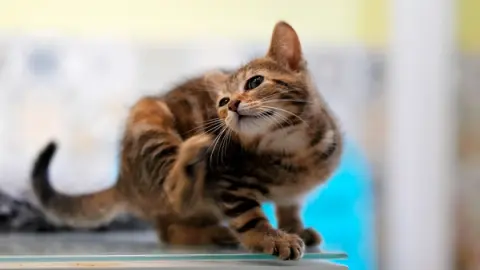
- Intense itching or scratching
- Marked agitation or overexcitement
- Redness or irritation of the skin
For any pet guardian, imagining their own cat experiencing these symptoms is understandably distressing. Any sudden change in behavior, appetite, or mobility after a medication deserves prompt attention.
The Suspected Culprit What Is Phenothrin
The ingredient that has drawn the most concern in this case is the insecticidal compound phenothrin. Phenothrin belongs to a group of chemicals known as synthetic pyrethroids, which are widely used in insect control products.
Phenothrin has been used in human head lice treatments and is also found in some household insect control products. However, cats are not small humans. Their bodies process many chemicals differently, and certain substances that are relatively safe for people or dogs can be dangerous for cats.
In fact, there was a major incident in the United States involving flea products containing phenothrin. Thousands of adverse event reports were filed after cats developed neurological signs and other health problems. Follow up investigations indicated that many affected cats had licked or ingested the phenothrin product, either directly from the application site or from contaminated fur.
Regulators responded by ordering product changes, recalls, stronger warnings about potential toxicity, and broader information sharing with veterinarians and pet supply retailers. The incident highlighted how serious pyrethroid toxicity can be in cats, especially when products are misused or ingested.
Given this history, it is concerning that phenothrin containing products are still available for cats in some markets. Research and clinical experience suggest that cats are particularly sensitive to many pyrethroids, and ingestion significantly increases the risk of adverse effects.
Why Cats Are So Sensitive
Cats have a unique metabolism compared with dogs and humans. Their livers are less efficient at breaking down certain chemicals, including many in the pyrethroid family. This means that even doses considered safe in other species can sometimes cause problems in cats.
When a spot on product is used correctly and remains on the skin, the risk may be lower. However, if a cat manages to lick the application site, or if a housemate cat grooms the treated cat, the actual dose absorbed through the mouth and digestive tract can become dangerously high.
Neurological signs such as tremors, twitching, agitation, and difficulty walking are classic features of pyrethroid toxicity. Skin irritation, hair loss, and changes in appetite or behavior can also occur.
What To Do If You Already Used A Phenothrin Product
If you have accidentally used a phenothrin containing flea product on your cat, take action quickly but calmly.
First, thoroughly wipe the application area with a clean, damp towel. Focus on removing as much of the liquid residue as possible from the fur and skin. If your cat is panicking or struggling, allow them a moment to settle, then try again when it is safer for both of you.
Do not use harsh soaps or solvents on your own without veterinary guidance, as these can further irritate the skin. In some cases, a veterinarian may recommend a gentle bath with a mild pet shampoo, but this should be done under professional advice, especially if your cat is already showing signs of illness.
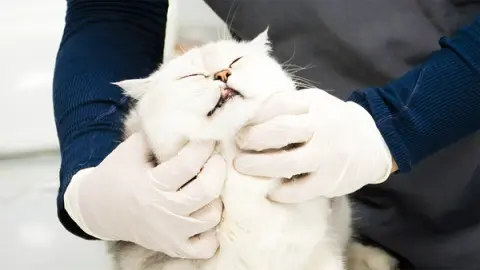
Once you have performed basic first aid, contact your veterinarian or an emergency animal hospital as soon as possible. Even if your cat appears normal, it is important to speak with a professional, describe the product used, and follow their recommendations.
Cats are experts at hiding discomfort and illness. A cat that seems fine at first can deteriorate over the next few hours. Veterinary assessment is the safest way to catch early signs of toxicity and start treatment promptly if needed.
Warning Signs That Need Immediate Veterinary Care
After using any flea product, but especially one containing phenothrin, watch your cat closely for the next 24 to 48 hours. Seek urgent veterinary care if you notice:
- Tremors, twitching, or seizures
- Marked restlessness, agitation, or extreme lethargy
- Difficulty walking, jumping, or coordinating movements
- Vomiting, drooling, or pawing at the mouth
- Rapid breathing or labored breathing
- Severe redness, swelling, or hair loss at the application site
If possible, bring the product packaging with you to the clinic so the veterinary team can see the exact ingredients and concentration.
How To Choose Safer Flea And Tick Protection
Protecting your cat from fleas and ticks is still very important. These parasites can cause intense itching, allergic reactions, skin infections, and can transmit serious diseases. The goal is not to avoid flea control altogether, but to choose products with a stronger safety profile and veterinary oversight.
Here are key steps experts recommend:
- Prioritize veterinarian prescribed products. Medications available through veterinary clinics are typically formulated and dosed specifically for cats, with safety margins evaluated in clinical studies.
- Ask your vet about phenothrin and other pyrethroids. Given past toxicity reports, many veterinarians advise avoiding phenothrin based products for cats and may also caution against certain other pyrethroids.
- Read ingredient labels carefully. Most flea and tick products list active ingredients on the box or insert. If you are unsure about a chemical name, ask your veterinarian before using it.
- Be cautious with shampoos and sprays. Phenothrin and related compounds may appear not only in spot on treatments but also in flea shampoos, sprays, and household insect control products. Always confirm that a product is specifically labeled as safe for cats.
While over the counter products from home centers or online retailers may seem convenient and inexpensive, they often contain different active ingredients and concentrations than prescription options. The lower price can come with a higher risk if the product is not well suited to your individual cat.
Another advantage of purchasing through your veterinarian is follow up support. If your cat ever reacts to a prescribed product, you have an immediate professional resource who knows your cat’s medical history and can adjust the treatment plan.
Even Vet Prescribed Products Require Careful Use
It is important to remember that any medication can potentially cause side effects, even those prescribed by a veterinarian. Individual cats may react differently to the same ingredient.
Most reputable flea products include safety instructions such as:
- Use a small test amount the first time and monitor your cat
- Do not use on cats that are already unwell or recovering from illness
- Do not exceed the recommended dose or frequency
- Do not use dog only products on cats
Pet parents should read and follow these directions every time, even if they have used the product before. If your cat has a history of allergies, seizures, or other chronic conditions, discuss this with your veterinarian before starting any new flea treatment.
Protecting Your Cat From Hidden Risks
The range of chemicals used in flea and tick control is broad and constantly evolving. Even dedicated pet guardians cannot realistically memorize every ingredient or anticipate every potential interaction. New safety concerns sometimes emerge only after products have been on the market for some time.
That is why building a partnership with a trusted veterinarian is one of the most effective ways to protect your cat. Your vet can help you:
- Select products with a proven safety record in cats
- Adjust doses based on your cat’s age, weight, and health status
- Recognize early warning signs of adverse reactions
- Report any suspected side effects to regulatory bodies when appropriate
By staying informed, reading labels, and choosing veterinarian guided flea control, pet parents can dramatically reduce the risk of serious reactions like those associated with phenothrin.
Your Ongoing Journey Toward Safer Flea Care
Phenothrin related incidents serve as a powerful reminder that not all flea treatments are created equal, and that cats have unique sensitivities that must be respected. While the stories of adverse reactions are alarming, they also empower pet guardians to make better informed choices.
By avoiding high risk ingredients such as phenothrin, responding quickly to any unusual symptoms, and working closely with your veterinarian, you can keep your cat protected from parasites without compromising their health. Thoughtful prevention today helps build a future where your cat can enjoy a comfortable, itch free life and you can feel confident in every product you choose.
- 03.02.2026
- 12.03.2018
Masaka
Veterinarian. My favorite animals are degus, ferrets, cows, and rabbits. I prefer tea over coffee.