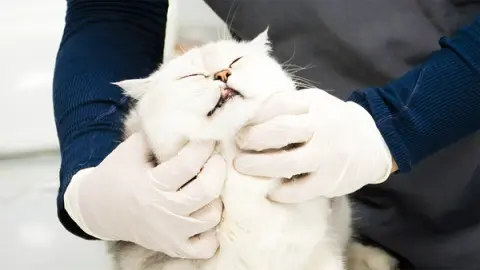
Do You Really Need Pet Insurance? How To Compare Lifetime Vet Costs And Coverage

This article is an English translation of the original Japanese article. Read the original Japanese version.
Pet insurance is often offered the moment you bring a new dog or cat home, but is it truly worth the cost over your pet’s lifetime? Learn how to compare real-world veterinary expenses with lifetime insurance premiums so you can choose the safest, most realistic option for your family.
When you welcome a new dog or cat into your home, it is very common for the breeder, shelter, or pet shop to recommend pet insurance on the spot. Many pet parents sign up in the excitement of those first days together, only to wonder later, "My pet is healthy. Do I really need this?"
In reality, quite a few pet guardians are paying for a policy without fully understanding what it covers, how to file a claim, or in which situations it can actually be used. This guide walks you through how pet insurance works, when it becomes essential, and how to decide whether it truly fits your pet and your budget.
What Exactly Is Pet Insurance
At its core, pet insurance is designed to help cover veterinary costs when your animal becomes ill or is injured. Just like people, pets need medical care when they are unwell, and that usually means a trip to the veterinary clinic.
The crucial difference is that, in many countries, human healthcare is heavily supported by public or private insurance, while veterinary care is typically 100 percent out of pocket. From the basic exam fee to:
- Diagnostic tests
- Treatments and procedures
- Medications
- Surgery
- Hospitalization
- Follow up visits
every item on the invoice is usually paid directly by the pet parent.
Pet insurance steps in to reimburse a portion or, in some cases, most of those eligible costs, depending on your plan. This can dramatically reduce the financial shock of an unexpected illness or emergency.
How Human Health Insurance Differs From Pet Insurance
In countries with universal or widely available health coverage, people are protected by systems that limit how much they pay at the hospital or clinic. For example, many adults may only pay a fixed percentage of their medical bill, with the rest covered by public or private insurance. Children and seniors may pay even less.
Pets, however, do not benefit from these public medical systems. When you take your dog or cat to the veterinarian, there is usually no government-backed insurance for animals, so the entire bill becomes the pet guardian’s responsibility.
Because animals cannot describe their symptoms in words, veterinarians often need to perform multiple tests to pinpoint what is wrong. This can quickly increase costs.
For instance, a first visit that includes an exam and basic bloodwork can easily reach the equivalent of around 10,000 yen. If you add standard imaging such as X rays or ultrasound, the total for a single visit can climb to about 20,000 yen or more. Once you include medications and additional treatments, it is not unusual for a single visit to exceed 30,000 yen.
Unlike human hospitals, veterinary clinics have more freedom to set their own prices. This means fees for exams, tests, medications, and surgery can vary significantly from one hospital to another.
This is exactly where pet insurance can make a meaningful difference. If you have a plan that covers 50 percent of eligible costs and your pet’s visit totals 20,000 yen, you would pay 10,000 yen and the insurance would cover the remaining 10,000 yen. In other words, insurance helps reduce the financial burden of each covered visit.
The Main Types Of Pet Insurance Plans
Many pet parents think, "If it reduces my vet bills, I should just get pet insurance, right?" In many cases, insurance can be extremely helpful, especially for sudden, high cost treatments. However, it is important to understand that no plan covers every single veterinary expense, and there are different types of coverage with different rules.
When you compare pet insurance options, there are six key points you should always review:
- How much the monthly or annual premium costs
- What percentage of each bill the insurer will cover and whether there are per visit or annual limits
- Whether the plan offers direct payment at the clinic or reimbursement after you file a claim
- Whether it covers visits, hospitalization, and surgery or only some of these
- How premiums change as your pet ages
- What conditions, procedures, or services are excluded from coverage
Let us look at each of these in more detail.
How Much Will You Pay Each Month Or Year
Just as people pay health insurance premiums through their salary or directly each month, pet insurance also requires ongoing premiums. You can usually choose to pay monthly or annually.
The first step is to compare the premium with your household budget. For example, if a pet parent takes home the equivalent of 300,000 yen per month, a 3,000 yen monthly premium (36,000 yen per year) may feel manageable. But for someone earning 150,000 yen per month, that same premium could be a much heavier burden.
Premiums can also vary by species and breed. Large breed dogs or breeds prone to certain hereditary conditions often have higher premiums because they are statistically more likely to need expensive care. In some cases, a plan might cost around 6,000 yen per month, which adds up to 72,000 yen per year—a significant amount.
Another crucial point is that most pet insurance is “use it or lose it”. If your pet stays healthy and you rarely visit the vet, you still pay the premium and do not get that money back. Insurance can be a lifesaver when a major illness or accident occurs, but you must honestly assess whether the ongoing cost will strain your day to day life.
What Percentage Is Covered And Are There Limits
Different plans cover different reimbursement rates, which is the percentage of the eligible vet bill the insurer will pay.
For example, imagine your pet’s veterinary visit totals 30,000 yen:
-
50 percent coverage plan
You pay 15,000 yen
Insurance pays 15,000 yen -
70 percent coverage plan
You pay 9,000 yen
Insurance pays 21,000 yen
On paper, this looks straightforward. However, many plans also set a maximum amount the insurer will pay per day, per visit, or per year.
For instance, suppose you have a 50 percent plan with a daily coverage cap of 10,000 yen. If your pet’s bill is 30,000 yen, the insurer will only pay up to 10,000 yen, and you will pay the remaining 20,000 yen. In reality, that means you are getting less than 50 percent coverage on that visit.
Some policies also limit how many times per year you can use the insurance. These plans often have slightly lower premiums, which can be attractive. However, they force you to decide, visit by visit, whether to use one of your limited claims. This can create stress and second guessing when your pet is unwell.
To avoid unpleasant surprises, always read the plan details carefully and make sure you understand both the coverage percentage and any caps or usage limits.
Direct Pay At The Clinic Or Reimbursement Later
Another important difference between plans is how you receive the benefit.
Some major pet insurance companies partner with veterinary clinics so that your insurance is processed directly at the front desk. In these cases, the clinic handles the claim on your behalf, and you only pay your portion of the bill at checkout.
With many other plans, you must pay the full amount upfront, then collect the necessary documents, sometimes including forms filled out by your veterinarian, and submit a claim to the insurance company. You are then reimbursed later.
Direct pay at the clinic can be a major advantage, especially if your pet needs frequent visits or long term treatment. It saves time, reduces paperwork, and most importantly, reduces the amount of cash you need to have available immediately when an emergency happens.
Does The Plan Cover Visits, Hospitalization, And Surgery
Not all policies cover the same types of care. Some lower cost plans exclude routine visits and only cover surgery or surgery plus hospitalization. These can be appealing if you want protection against the biggest, most unexpected bills but need to keep monthly costs down.
If you are considering one of these limited plans, think carefully about your pet’s lifestyle, breed risks, and your own financial cushion. A surgery only plan may be reasonable for some families, but for pets with chronic conditions or for guardians who prefer to investigate even mild symptoms early, broader coverage that includes visits and diagnostics may be more appropriate.
How Premiums Change As Your Pet Ages
In most markets, pet insurance premiums increase over time. As your dog or cat gets older, the risk of illness rises, and insurers adjust premiums accordingly. Many companies also factor in how much they paid out on your claims in previous years.
A plan that seems very affordable when your pet is young may become much more expensive at age 10 or 15. Before you sign up, it is wise to look at the projected premiums for senior years and ask yourself whether you are likely to continue the policy long term.
What Is Not Covered By Pet Insurance
Pet insurance is primarily designed to cover unexpected illnesses and injuries. In contrast, preventive care is often excluded. Common exclusions include:
- Vaccinations
- Routine wellness exams (in many standard plans)
- Spay and neuter surgery
- Preventive parasite control
Each insurer has its own list of exclusions, and some offer optional wellness add ons. To avoid disappointment, always confirm exactly what your chosen plan will and will not cover.
Key Benefits And Drawbacks Of Pet Insurance
When deciding whether to enroll, it helps to weigh the main advantages and disadvantages in a clear, practical way.
Benefits Of Having Pet Insurance
- Helps cover sudden, high veterinary costs that can arise from accidents, emergency surgery, or serious illness.
- Reduces financial anxiety, allowing pet parents to focus on medical decisions rather than cost alone when faced with recommendations for tests, hospitalization, or surgery.
Potential Drawbacks Of Pet Insurance
- The percentage of costs covered varies by plan and company, and caps or exclusions can reduce the benefit more than expected.
- You must pay premiums every month or year, even if your pet remains healthy and rarely needs veterinary care.
- Because each insurer has its own list of non covered services, there will be situations where you must pay the full amount yourself.
Comparing Lifetime Insurance Costs With Real Vet Bills
Whether pet insurance is a good fit depends on both your financial situation and your pet’s health profile. It can be helpful to compare lifetime premium costs with realistic treatment scenarios.
Imagine you pay 3,000 yen per month in premiums and continue this until your pet is 15 years old, without considering any future price increases. Over 15 years, you would pay a total of 540,000 yen. That number can be surprising.
If your pet stayed almost perfectly healthy, you might feel that 540,000 yen was “wasted.” However, in real life, very few animals go through their entire lives without needing medical care, especially once they reach their senior years.
Consider this example of a dog’s medical history:
- At age 3, the dog suffers a fracture that requires surgery, hospitalization, and follow up visits.
- At age 13, the dog is diagnosed with heart disease and needs ongoing treatment and monitoring until age 15.
The costs might look like this:
- Fracture surgery, hospitalization, follow up visits, and hardware removal
Approximate total 400,000 yen - Monthly visits and medications for heart disease
20,000 yen per month × 24 months = 480,000 yen - Chest X rays and heart ultrasound every two months
10,000 yen × 12 times = 120,000 yen - Three hospitalizations for heart related crises, three days each
50,000 yen × 3 = 150,000 yen
Total treatment cost 1,150,000 yen
Without insurance, the pet guardian would pay the entire 1,150,000 yen.
With insurance, assuming no caps or usage limits and a lifetime premium total of 540,000 yen:
-
50 percent coverage plan
Pet parent pays 575,000 yen in vet bills (half of 1,150,000 yen)
Plus 540,000 yen in premiums
Total out of pocket 1,115,000 yen -
70 percent coverage plan
Pet parent pays 345,000 yen in vet bills (30 percent of 1,150,000 yen)
Plus 540,000 yen in premiums
Total out of pocket 885,000 yen
At first glance, it may seem that the 50 percent plan does not save much compared with paying everything yourself. However, this simple comparison does not include the additional tests, medication changes, and extra visits that almost always occur with progressive diseases like heart conditions.
More importantly, insurance can provide critical peace of mind. When your pet suddenly needs expensive care, having coverage can make the difference between delaying treatment and moving forward immediately with the best available option.
An Alternative Or Companion Strategy Self Funding A Pet Health Savings Plan
Some pet parents feel that the risk of multiple major illnesses or injuries is low for their particular pet, or they simply cannot commit to long term premiums. In these cases, a dedicated pet health savings fund can be a powerful alternative or complement to insurance.
For example, if you set aside 5,000 yen every month for 15 years, you would accumulate 900,000 yen. That amount can cover a wide range of injuries and illnesses, especially if combined with careful price comparison between veterinary clinics.
Unlike insurance, this money is not lost if you do not use it. Any unused portion can be redirected to other living expenses later in life.
Of course, this approach requires discipline. You must consistently deposit money into the fund and resist the temptation to use it for non emergency purposes.
Choosing The Right Path For You And Your Pet
There is no single answer that fits every family. The best choice depends on your pet’s breed and health risks, your financial stability, and your personal comfort with risk.
To move forward with confidence, consider these steps:
- Review your budget honestly and decide how much you can comfortably allocate each month to pet healthcare, whether through premiums, savings, or a mix of both.
- Research several insurance providers, paying close attention to coverage percentages, caps, exclusions, and how premiums change with age.
- Talk with your veterinarian about common health issues for your pet’s breed and what typical treatment costs look like.
- Decide on a strategy insurance, a dedicated savings fund, or a combination of both that feels sustainable over your pet’s lifetime.
By planning ahead, you protect not only your finances but also your ability to say "yes" to the care your companion truly needs. Thoughtful preparation today helps you build a lifetime of secure, compassionate care for the animals who share your home.
- 03.02.2026
- 11.29.2018