Dog’s Face Suddenly Swollen After a Snake Bite? How to Spot Pit Vipers and What to Do Next
This article is an English translation of the original Japanese article. Read the original Japanese version.
A dog with a cartoonishly puffy muzzle might look almost funny in photos, but snake bites are never a joke. Learn how to tell a harmless bite from a dangerous pit viper attack and the exact steps pet parents should take to protect their dog’s life.
If you spend any time on social media, you have probably seen photos of dogs with dramatically swollen muzzles after a run-in outdoors. Many of these cases are the result of snake bites, and while the dog may look alert or even cheerful, the situation can be far more serious than it appears.
Even when a dog seems bright and energetic, judging a snake bite by appearance alone is extremely risky. Venom can already be spreading through the body long before obvious signs of illness appear.
How Common And Dangerous Pit Vipers Are For Dogs
In Japan, one of the most important venomous snakes to know about is the mamushi, a type of pit viper. These snakes are found across most of the country and are not limited to deep mountain areas. They can appear in rice fields, along farm paths, in parks, and even in overgrown patches of grass near residential neighborhoods.
Reports of mamushi sightings are not unusual even in urban regions where there are wetlands, thickets, or riverbanks. For example, in Tokyo, they are regularly reported in areas such as Okutama and along the Tama River.
In other words, a venomous snake could be hiding along your dog’s usual walking route, especially during warmer months. Pet parents should assume that if there is suitable habitat, there is at least some risk.
Can Nonvenomous Snakes Still Make A Dog Swell Up
Not every swollen muzzle after a snake encounter means venom. In Japan, common nonvenomous snakes such as the Aodaisho or the Japanese four-lined rat snake can also cause noticeable swelling when they bite.
In these cases, the swelling is usually due to factors other than venom, such as:
- Inflammation from the physical wound
- Bacterial infection leading to redness and swelling
- Mild allergic reactions causing localized puffiness
These problems sometimes improve over time, but they can also worsen if left untreated, especially if infection sets in. Any bite that breaks the skin deserves veterinary attention.
By contrast, mamushi bites typically cause very rapid, progressive swelling and significant pain. Dogs may also develop fever, lethargy, or other whole-body symptoms. Because it can be difficult to distinguish a nonvenomous bite from a venomous one in real time, experts recommend seeking veterinary care immediately whenever you suspect a snake bite.
Why Mamushi Bites Can Be Life Threatening
Veterinary data from Japan indicate that mamushi bites can be fatal for dogs, especially without prompt treatment. Mamushi are relatively small, usually about 40–60 cm in length, but their venom is powerful and dangerous to both humans and animals.
Mamushi venom contains a mix of hemotoxic, neurotoxic, and muscle-damaging components. After a bite, dogs may develop:
- Rapid, severe swelling at the bite site
- Fever and intense pain
- Bleeding or bruising around or away from the wound
- Marked lethargy or collapse
- Labored or noisy breathing, especially if the face or neck is bitten
- Vomiting, seizures, or signs of kidney damage in more severe cases
When the face or neck is involved, swelling can narrow the airway and lead to breathing difficulties, which is an emergency. Even if the dog is still walking and responsive, the situation can deteriorate quickly.
How To Recognize A Mamushi Compared To Other Snakes
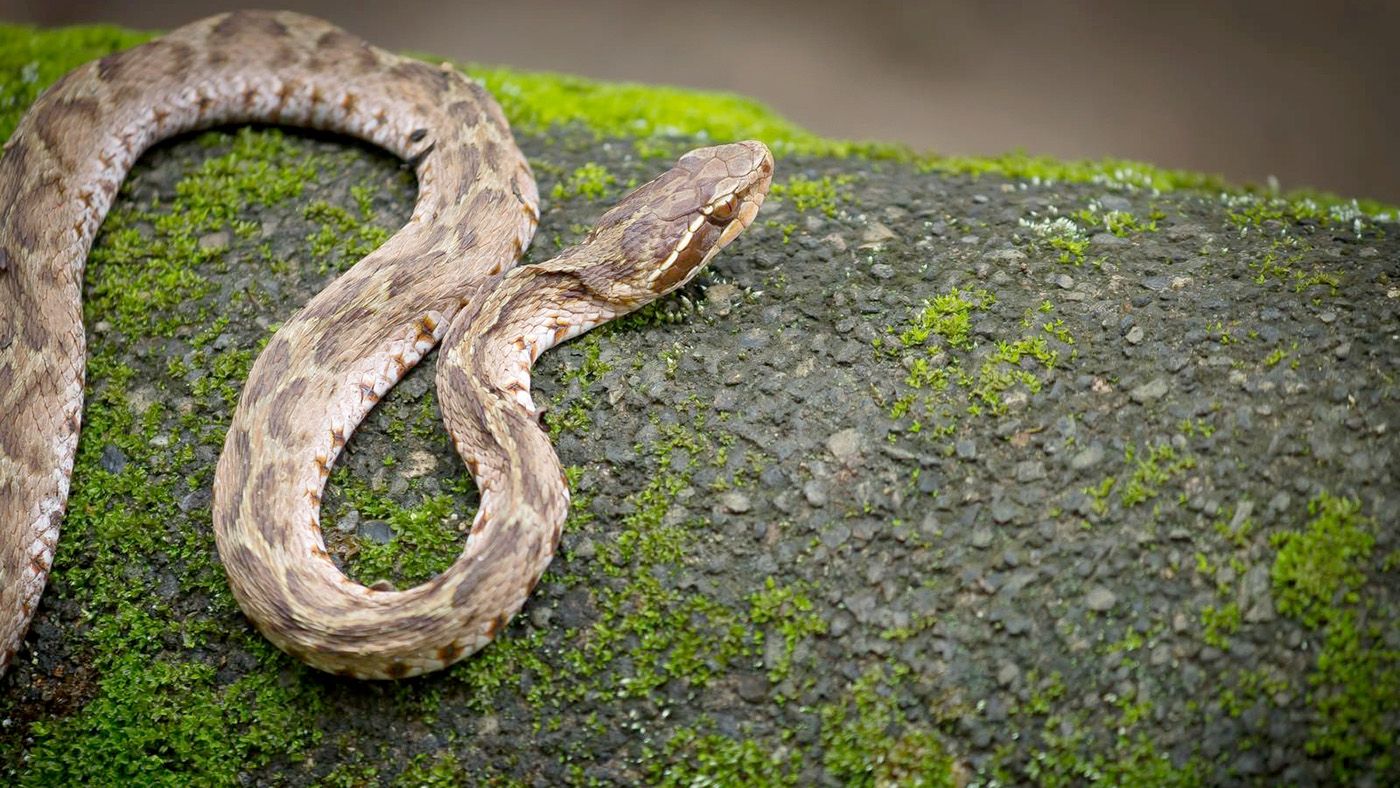
For pet guardians who walk their dogs in areas where snakes live, it helps to know the basic appearance of a mamushi. The most distinctive feature is its bold pattern of linked, coin-shaped markings, often described as inverted triangles or ovals running along the back.
The body color is usually brownish to grayish, with a strong contrast between the background color and the darker pattern. This makes the markings stand out clearly, even from a short distance.
Mamushi also have a broad, somewhat triangular head with a noticeable narrowing at the neck, giving the head a more defined shape compared to many nonvenomous snakes.
Of course, in an emergency you may not see the snake clearly, or it may disappear quickly. If you are unsure what type of snake was involved, always assume the bite could be venomous and contact a veterinarian right away.
Why A “Just Puffy” Face Is Not Reassuring
On social media, it is common to see posts of dogs whose muzzles are dramatically swollen but who still look bright and playful. These images can create a false sense of security, leading pet parents to think, “They seem fine, so it must not be serious.”
In reality, a dog can appear outwardly normal while venom is already circulating internally. As the venom spreads through the bloodstream and tissues, it can damage organs and blood vessels, potentially leading to kidney failure, shock, or severe bleeding disorders.
Veterinarians frequently warn that dogs may suddenly deteriorate several hours after a bite, even if they initially seemed stable. Because of this delayed risk, experts recommend that any dog with a suspected snake bite be examined by a veterinarian as soon as possible, rather than waiting to “see how it goes.”
Survival Rates Are High With Early Treatment
The good news is that with prompt and appropriate veterinary care, most dogs survive mamushi bites. Published estimates suggest that the fatality rate for dogs bitten by mamushi is around 1–2 percent when early treatment is provided.
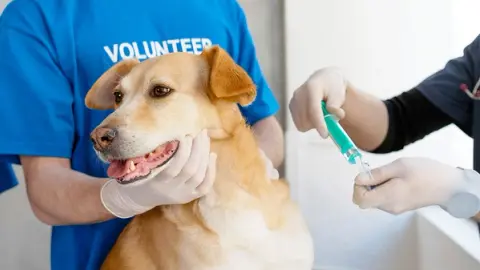
At the animal hospital, treatment may include:
- Antivenom administration in more severe cases
- Steroids or other anti-inflammatory medications to control swelling and inflammation
- Antibiotics to reduce the risk of secondary bacterial infection
- Intravenous fluids to support circulation and protect the kidneys
- Hospitalization and close monitoring for changes in breathing, blood pressure, and organ function
Antivenom is particularly time-sensitive. The earlier it is given, the more effective it tends to be and the lower the risk of adverse reactions. Because of this, delaying care to “watch and wait” can reduce treatment options.
If you suspect your dog has been bitten by a snake, taking them to a veterinary clinic without hesitation is the safest and most responsible choice.
Practical Ways To Protect Your Dog From Snake Bites
Mamushi and many other snakes are most active from spring through autumn. In Japan, the period from the end of the rainy season through early autumn is especially high risk.
Pet parents can reduce the chance of a dangerous encounter by:
- Avoiding tall grass, dense weeds, and narrow field paths where snakes may hide
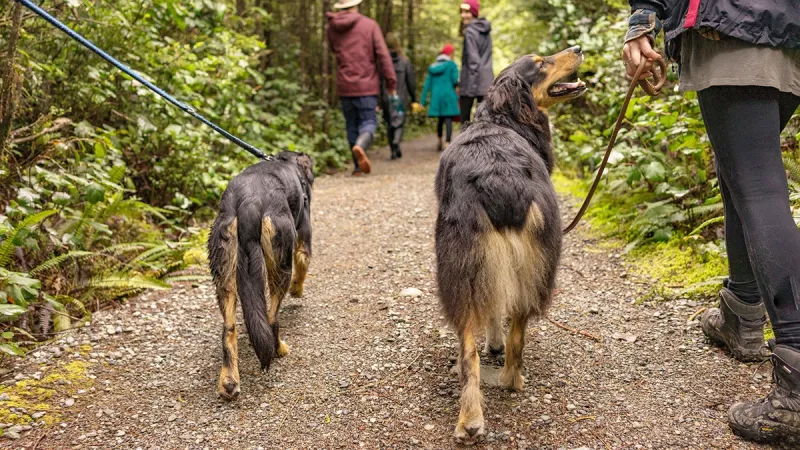
- Keeping dogs on a leash instead of allowing them to roam off-leash in natural areas
- Watching closely when your dog is sniffing into holes, under rocks, or into thick vegetation
- Steering clear of known snake habitats such as overgrown riverbanks, unmanaged fields, and brush piles
- Seeking veterinary care immediately if a bite is suspected, even if the wound looks small or the dog seems fine
Venom is unpredictable, and underestimating a bite because “it only looks a little swollen” can have tragic consequences. Even if you cannot tell whether the snake was nonvenomous or a mamushi, and even if the injury appears mild, a prompt veterinary exam is essential.
Staying Vigilant To Keep Your Dog Safe
Mamushi and other snakes are more common and closer to daily life than many pet guardians realize. By staying aware of local wildlife, choosing walking routes and times thoughtfully, and responding quickly to any suspected bite, you can dramatically improve your dog’s chances of a full recovery.
With informed precautions and a clear action plan, pet parents can continue to enjoy outdoor adventures with their dogs while staying prepared for the unexpected.
- 03.03.2026
- 08.10.2025