Canicross With Your Dog How To Start A Safe, Fun Running Adventure Together
This article is an English translation of the original Japanese article. Read the original Japanese version.
Looking for a way to exercise with your dog that goes beyond everyday walks? Canicross turns your runs into a shared adventure, helping both you and your dog build fitness, confidence, and an incredible sense of teamwork.
Canicross is steadily gaining attention among active pet parents around the world. Originally developed in Europe as off season conditioning for sled dogs, it has evolved into a stand alone sport where dogs and humans run as a team.
In Japan and beyond, more pet guardians are discovering that canicross is not just about speed. It is about moving in sync with your dog, building trust, and giving energetic dogs a healthy outlet for both body and mind.
What Exactly Is Canicross?
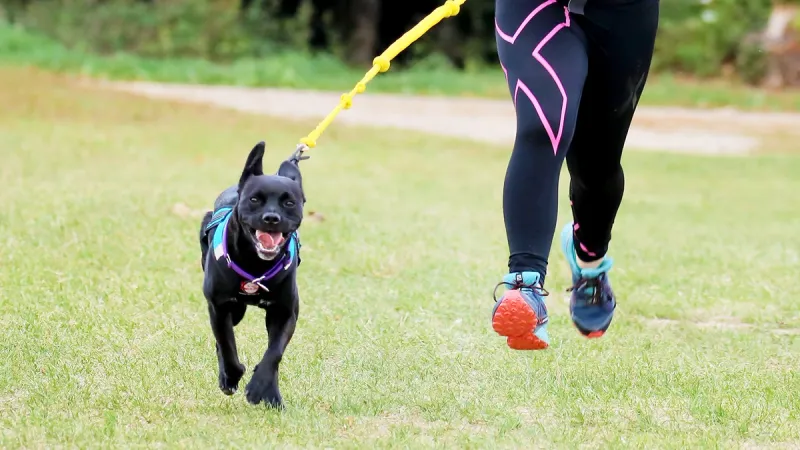
Canicross is a running sport where a dog and their pet parent are physically connected and run together as a team. The human wears a padded waist belt, the dog wears a well fitted sport harness, and the two are linked by a bungee style line that absorbs shock.
Unlike casual jogging with a standard leash, the dog runs slightly ahead and provides a gentle pulling force on the line. This forward drive helps support the runner’s momentum and creates a unique feeling of being towed by your dog while you match their rhythm.
For the dog, this style of running offers structured, full body exercise and a satisfying job to do. For the human, it can improve cardiovascular fitness, leg strength, and core stability. When practiced correctly, experts consider canicross a mutually beneficial, low tech way to stay active together.
Canicross Events Growing In Japan
Although canicross began in Europe, organized events are now appearing across Japan, giving teams of all levels a chance to participate.
On the Shonan coast in Kanagawa, the popular Shonan Beach Canicross invites teams to run along the sand with the ocean as their backdrop. The open scenery and soft footing create a memorable beach running experience for both dogs and humans.
In Tokyo’s Katsushika Ward, regular Tokyo Canicross races are held at Mizumoto Park. Courses of around 2 km and 4 km are typically offered, and many events issue official finisher certificates, giving the day a true race atmosphere while still welcoming beginners.
In the Kansai region, Osaka Canicross events at Hattori Ryokuchi Park are being planned, featuring dynamic dirt and park style courses. These routes allow dogs to stretch out and run on more forgiving surfaces than asphalt.
Beyond formal races, many areas now host beginner friendly practice sessions and workshops. In prefectures such as Tokyo, Aichi, and Saitama, you may find canicross training meetups or bikejoring trial sessions designed to help newcomers learn safely.
These gatherings often include more than just running. Some events combine canicross with dog yoga sessions, small markets, or family activities, creating a relaxed, community feel where even first time participants can feel at ease.
How Do You Train For Canicross?
While canicross might look like a specialized sport, the basic training steps are straightforward and can be woven into your normal routine.
The first priority is helping your dog become comfortable wearing a sport harness. Start by introducing the harness at home for short periods, pairing it with treats, praise, or play. Over time, your dog should learn that harness on means something fun is about to happen.
Next, help your dog get used to running slightly ahead of you. Many dogs are taught to walk politely at their guardian’s side, but in canicross the dog leads the way, similar to sled dogs. Begin with very short stretches where you encourage your dog to move in front while you maintain light, steady tension on the line.
Experts recommend starting with distances of around 500 meters at an easy pace. As your dog’s fitness and confidence improve, you can gradually extend your runs to 2–3 km, always watching for signs of fatigue or overheating.
In warm or humid weather, it is especially important to schedule sessions during the cooler parts of the day, such as early morning or evening. Dogs are more prone to heat stress than humans, so prioritize shade, frequent water breaks, and rest days.
Command training is another key element of safe canicross. Clear verbal cues help your dog understand what you need, even when you are both moving quickly. Many teams use simple, consistent words such as:
- “Go” for starting or increasing speed
- “Slow” for easing the pace
- “Stop” for coming to a controlled halt
- “Right” and “Left” for directional changes
Practice these cues during everyday walks and short jogs so they become second nature before you attempt longer or faster runs.
To support your dog’s joints and muscles, consider incorporating gentle conditioning into your regular walks. Walking up and down hills, spending time on grass or dirt instead of only pavement, and allowing your dog to navigate varied terrain can all help build strength and body awareness.
Pet parents also benefit from practice. Running with a waist belt changes your posture and center of gravity, so it is wise to do a few solo runs wearing your belt and line before attaching your dog. This helps you learn how the equipment moves and how to keep your core engaged.
Why So Many Teams Fall In Love With Canicross
The true appeal of canicross goes beyond fitness. Many pet guardians describe an intense sense of connection when they and their dog are moving as one unit.
As your dog settles into a steady pace ahead of you, you begin to read their body language, anticipate their decisions, and adjust your stride to match their rhythm. The experience can feel less like a workout and more like a shared exploration, turning familiar paths into small adventures.
For dogs, canicross offers more than just physical exertion. Having a clear job, responding to cues, and achieving goals together can boost confidence and provide mental enrichment. This kind of cooperative activity often deepens trust and can make day to day communication smoother.
From a health perspective, regular, appropriately scaled running can support muscle tone, cardiovascular fitness, and weight management in many dogs. For humans, canicross can be an effective way to support weight control, improve stamina, and relieve stress while spending quality time outdoors.
Essential Gear To Start Canicross Safely
To protect both you and your dog, it is important to invest in gear designed specifically for canicross rather than relying on standard walking equipment.
Core items typically include:
- A canicross specific harness for your dog that distributes pulling force across the chest and body, reducing strain on the neck and spine
- A bungee or shock absorbing line that connects dog and human while minimizing sudden jolts
- A well fitted running belt for the pet parent that sits low around the hips or waist to spread the pulling force safely
Using a regular flat collar or non elastic leash for pulling can transmit too much force directly to your dog’s neck and to your own lower back and joints. Over time, this may increase the risk of discomfort or injury.
By contrast, purpose built canicross gear is designed to cushion impact, support natural movement, and keep both partners more comfortable. Many specialized retailers, such as shops dedicated to dog powered sports, offer starter sets and can help you choose appropriate sizes and styles for your dog’s body type.
Starting Your Own Canicross Journey With Your Dog
Canicross offers pet parents a fresh way to run that centers on partnership rather than pace. With a well fitted harness, a few clear cues, and gradual training, most healthy, adult dogs can learn to enjoy this sport at a level that suits them.
As more events and practice sessions appear across Japan and worldwide, it is becoming easier to set concrete goals, whether that means finishing your first 2 km fun run or simply enjoying a weekly trail jog together.
If the idea of exploring new paths side by side with your dog appeals to you, consider starting small. Begin with short, relaxed jogs, focus on positive experiences, and let your dog’s comfort and enthusiasm guide your progress. Over time, you may find that canicross not only improves fitness, but also strengthens the bond you share every time you clip in and head out to run as a team.
- 03.02.2026
- 07.21.2025