Dog Not Drinking Water Enough? Safe Daily Amounts And What Pet Parents Should Do
This article is an English translation of the original Japanese article. Read the original Japanese version.
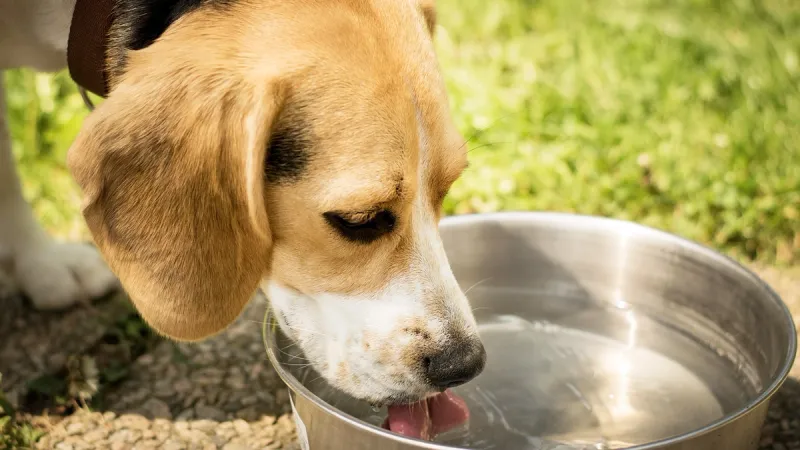
Worried your dog is not drinking enough water, or suddenly drinking much less than usual? Learn how much water dogs typically need each day, what might be behind a drop in drinking, and when it is essential to call your veterinarian.
Staying well hydrated is just as important for dogs as it is for humans. Yet many pet parents are not sure whether their dog is actually drinking enough, or they suddenly notice the water bowl is not going down like it used to.
There are many reasons a dog may drink very little water, ranging from normal physiological changes and environmental factors to early warning signs of illness. Understanding these patterns helps you respond calmly and appropriately, without missing something serious.
How Much Water Dogs Typically Need Each Day
Veterinary guidelines suggest that a healthy adult dog generally needs about 50–60 ml of water per kilogram of body weight per day from all sources, including both drinking water and moisture in food.
For example, a dog who is otherwise healthy would usually need roughly:
- A 5 kg small dog needs about 250–300 ml per day
- A 10 kg medium dog needs about 500–600 ml per day
- A 20 kg large dog needs about 1,000–1,200 ml per day
These numbers are reference ranges, not strict rules. In real life, the ideal water intake varies with diet type, temperature, activity level, and individual metabolism, so not every dog will match these figures exactly.
Dogs eating wet food or home‑prepared meals with a high moisture content often drink less from the bowl because they are already getting a significant amount of water from their food. Conversely, dogs fed mainly dry kibble take in very little moisture from their meals and therefore need to drink more to stay properly hydrated.
On hot days, in humid climates, or after vigorous exercise, many dogs will naturally drink 1.5 to 2 times their usual amount to cool themselves and replace fluid losses. Senior dogs and young puppies are more vulnerable to fluid imbalances, so their hydration status deserves especially close attention.
Why Your Dog May Not Be Drinking Much Water
If you feel your dog might not be reaching their ideal daily intake, it does not always mean there is an emergency. Some causes of low water intake are completely normal, while others deserve a closer look.
Broadly, the reasons fall into three categories:
- Normal physiological reasons
- Environmental or management issues
- Underlying health problems
When Low Intake Is Still Physiological And Normal
In some situations, a dog’s body simply does not need as much water, so they drink less without any negative impact on health. Common examples include:
- Eating wet food, fresh food, or home‑cooked meals that already provide plenty of moisture
- Living in cooler weather with low activity, so the body loses less water through panting
- Spending more time sleeping or resting, with overall lower energy expenditure
In these cases, the dog’s overall hydration needs are genuinely lower, and the body is signaling that less water is required. As long as your dog seems bright, comfortable, and is urinating normally, this pattern can be perfectly healthy.
When The Environment Discourages Drinking
Dogs experience the world primarily through their nose, and their sense of smell is far more sensitive than ours. Even subtle odors or tastes that humans barely notice can make a dog reluctant to drink.
Environmental or management‑related reasons for low water intake can include:
- Stale or off‑tasting water that has been sitting too long
- Dirty bowls or bowls with lingering detergent or plastic odors
- Uncomfortable bowl placement, such as a location that is too high, too low, or in a busy, stressful area
- Recent changes or stress, such as moving house, new pets, or loud renovations, making the dog more cautious overall
In many households, simply refreshing the water frequently and using a clean, odor‑neutral bowl solves the problem. Consider ceramic or stainless‑steel bowls, which tend to hold fewer smells than plastic, and place them in a quiet, easily accessible spot.
When Health Problems May Be Hiding Behind Low Drinking
More concerning are situations where a dog cannot drink comfortably or does not want to drink because they feel unwell. In these cases, low water intake can be an early warning sign of a medical issue.
Potential health‑related causes include:
- Pain in the mouth, such as stomatitis, gingivitis, or periodontal disease, making it uncomfortable to lap water
- Diseases of the digestive tract, kidneys, or liver, which can alter thirst, appetite, and overall energy
- General malaise, where the dog feels unwell and has reduced appetite, playfulness, and interest in drinking
Pet guardians should pay particular attention if a dog who used to drink well suddenly starts drinking much less. A rapid change in a previously stable pattern is more worrisome than a dog who has always been a light drinker.
If low intake is ignored, some dogs may progress to dehydration, which can worsen underlying disease and, in severe cases, become life‑threatening.
Warning Signs When Your Dog Is Not Drinking
It is not unusual for a healthy dog to drink a bit less on a cool day or after a quiet afternoon. If your dog is otherwise bright, eating normally, and urinating as usual, short‑term fluctuations are often harmless.
However, certain signs suggest that veterinary attention is needed promptly. Contact your veterinarian if you notice any of the following:
- Very little or no water intake for 24 hours or more
- Dry mouth or nose, where the gums and nose feel tacky instead of moist
- Skin that stays tented when gently lifted and released, which can indicate dehydration
- Markedly reduced urine output, or straining with little to no urine produced
- Vomiting or diarrhea occurring alongside low water intake
- Loss of appetite or lethargy, with your dog seeming dull or withdrawn
- Signs of oral discomfort, such as pawing at the mouth, drooling, or refusing to chew
If any of these apply, seek veterinary advice without delay. Early assessment allows your veterinarian to correct dehydration, manage pain, and investigate underlying diseases before they progress.
It is also important to note that a sudden increase in drinking can be just as significant as a decrease. Conditions such as diabetes mellitus, kidney disease, and certain hormonal disorders can cause excessive thirst and urination. Any abrupt, unexplained change in your dog’s usual drinking pattern warrants a professional check.
Practical Ways To Encourage Your Dog To Drink
When your dog’s reduced drinking appears related to normal physiology or environmental factors, a few simple changes can often help them take in more water comfortably.
Consider the following strategies:
- Refresh water frequently so it always smells and tastes clean
- Wash bowls daily and choose materials like ceramic or stainless steel that are less likely to retain odors
- Adjust bowl height and location so your dog can drink in a relaxed, natural posture in a quiet area
- Add a small amount of lukewarm water to meals to gently increase overall fluid intake
- Try a pet water fountain with circulating water, which many dogs find more appealing than still water
For senior dogs, dogs with chronic illnesses, or those recovering from surgery, it is especially important to proactively support hydration. Some pet parents find that adding a small amount of dog‑safe goat milk, low‑sodium dog broth, or a veterinarian‑approved flavor enhancer can make water or watered‑down liquids more enticing. Always avoid seasonings, onions, garlic, and other ingredients that are unsafe for dogs.
When To Stop Waiting And Call Your Vet
If your dog is eating a moisture‑rich diet, is less active during cold weather, and still seems bright and comfortable, mildly lower water intake can be normal. In these situations, first review the basics: water freshness, bowl cleanliness, and the overall environment. Often, improving these simple factors is enough to restore healthy drinking habits.
That said, there are clear situations where waiting it out is not recommended. Contact your veterinarian promptly if:
- Your dog has not drunk at all for 24 hours or more
- You notice low energy, weakness, or loss of appetite
- There are signs of dehydration, such as dry gums or skin that does not spring back quickly
- Your dog also has vomiting, diarrhea, or other new symptoms
In these cases, early veterinary evaluation is crucial. Timely treatment can correct dehydration, relieve discomfort, and address underlying conditions before they become more serious.
Changes in how much your dog drinks are an important health barometer. By paying attention to your dog’s usual daily pattern, you will be better equipped to spot subtle shifts that might otherwise go unnoticed.
Staying Attentive To Protect Your Dog’s Health
The most powerful tool you have as a pet guardian is your daily observation. Knowing what is normal for your dog—how much they typically drink, how often they urinate, and how energetic they usually are—makes it much easier to recognize when something is off.
When you notice a change, do not ignore that quiet sense of concern. Trust your instincts, review the environment, and reach out to your veterinary team when something does not feel right. Many serious illnesses can be managed more effectively, and sometimes even prevented from worsening, when they are caught early.
By staying attentive to your dog’s drinking habits and responding thoughtfully, you are not just managing water intake—you are actively supporting a longer, healthier, and more comfortable life for your canine companion.
- 03.02.2026
- 07.19.2025