Senior Dog Not Eating Well Anymore? Causes, Vet-Backed Tips, And Safer Ways To Help Them Eat
This article is an English translation of the original Japanese article. Read the original Japanese version.
Noticing your senior dog leaving food in the bowl or turning away from longtime favorite meals can be worrying. Understanding why appetite changes with age and how to adjust mealtimes safely is key to protecting your older dog’s health and happiness.
Key takeaways
Q. When an elderly dog stops eating, what main causes should be considered first?
Possible causes include age-related metabolic decline, dental or oral issues, chronic diseases, lack of exercise, changes in food preference, environmental stress, and dementia.
Q. What can be done at home to stimulate an elderly dog's appetite?
You can soak or warm food, switch to wet or paste textures, raise the bowl height, feed smaller portions more often, and hand-feed to provide reassurance.
Q. What should be noted when you are worried about aspiration in an elderly dog's meals?
Since swallowing function declines, adjust posture and food form, and if coughing, post-meal choking, breathing issues, or fever appear, visit a vet immediately.
As dogs move into their senior years, many pet parents start to notice subtle but worrying changes around mealtimes. A dog who once rushed to the bowl may begin to pick at food, walk away mid-meal, or ignore even their favorite recipes.
For older dogs, eating is more than just a daily routine. A balanced, enjoyable diet is one of the most important foundations for maintaining strength, immunity, and quality of life. When appetite drops off, it is essential to look for the cause and adjust how we feed them with both safety and comfort in mind.
Why Is My Senior Dog Not Eating
When a senior dog suddenly or gradually stops eating well, there is almost always a reason. Veterinary professionals typically consider several common possibilities before deciding what to do next. Understanding these can help you talk more confidently with your veterinarian and make thoughtful changes at home.
1. Slower Metabolism With Age
As dogs age, their metabolism naturally slows down. They burn fewer calories, especially if their daily activity level has decreased, and they may simply not feel as hungry as they used to.
This change is a normal part of aging, but it can still become a problem. If reduced appetite leads to weight loss, muscle wasting, or nutrient deficiencies, your dog’s overall health can decline. Regular weight checks and body condition scoring with your veterinarian can help you catch these changes early.
2. Dental And Oral Pain
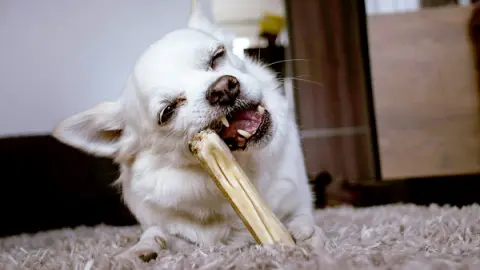
Issues in the mouth are one of the most common and most overlooked reasons older dogs stop eating well. Periodontal disease, heavy tartar, loose or broken teeth, and oral inflammation can all make chewing painful. Dogs may start avoiding harder kibble, chew on one side of the mouth, or walk away after a few bites.
You might notice your dog pawing at their mouth, drooling more than usual, or developing stronger bad breath. If you see any of these signs, or if your dog suddenly prefers only very soft foods, a prompt oral exam by your veterinarian is strongly recommended.
3. Chronic Disease Or Organ Dysfunction
Senior dogs are more prone to chronic health conditions that quietly affect appetite. The kidneys, liver, pancreas, and digestive tract can all lose function over time. Conditions such as chronic kidney disease or pancreatitis may show very subtle signs at first, and a reduced appetite can be one of the earliest clues.
Because these illnesses can progress before they become obvious, experts recommend regular senior wellness exams and bloodwork. Early detection allows for dietary adjustments, medications, and supportive care that can protect your dog’s comfort and extend their healthy years.
4. Less Exercise And Reduced Hunger
When a dog’s daily movement decreases, their body simply does not need as much energy. Shorter walks, fewer play sessions, or mobility issues such as arthritis can all reduce calorie needs and, in turn, the feeling of hunger.
In many cases, gently increasing appropriate activity can help stimulate appetite. Consider slightly longer, slower walks if your veterinarian approves, or add low-impact indoor games such as scent work, food puzzles, or short training sessions to keep both body and mind engaged.
5. Changes In Food Preferences Or Boredom
Aging can dull a dog’s sense of smell and taste. Foods that once smelled irresistible may no longer be as appealing, and your dog may seem to lose interest in their usual diet. Sometimes, they are not being picky so much as struggling to detect the aroma and flavor.
Small changes can make a big difference. Warming food slightly or adding a safe, vet-approved topper can make meals more enticing without compromising nutrition. Work with your veterinarian before making major diet changes, especially if your dog has a medical condition.
6. Environmental Stress And Routine Changes
Senior dogs often find change more stressful than younger dogs do. A move to a new home, a change in the pet parent’s schedule, the arrival of a new baby or another pet, or even loud renovations can all increase anxiety.
When stress levels rise, many dogs show it through their appetite. They may eat less, eat only when someone is nearby, or skip meals altogether. Creating a calm, predictable feeding environment and maintaining a consistent routine can help sensitive senior dogs feel secure enough to eat.
7. Cognitive Decline And Confusion
Canine cognitive dysfunction, often compared to dementia in humans, becomes more common with age. Dogs with cognitive changes may become disoriented, forget familiar routines, or fail to recognize hunger signals in the same way they once did.
You might see your dog sit in front of the food bowl without eating, wander away mid-meal, or seem to forget where the bowl is located. If you notice these behaviors, discuss them with your veterinarian as soon as possible. Early intervention, including diet changes, supplements, and environmental support, can improve comfort and function.
Practical Ways To Help Your Senior Dog Eat More Comfortably
If your veterinarian has ruled out an emergency and your dog’s reduced appetite appears mild or intermittent, thoughtful changes at home can often help. The goal is to make meals easier to eat, more appealing, and safer for your senior dog.
Enhance Food Aroma And Temperature
For many older dogs, smell is the key to appetite. Warming food slightly or moistening it with lukewarm water can help release aroma and make meals more inviting. Aim for a gentle, body-warm temperature around 104°F or 40°C so the food is pleasantly warm but not hot.
You can try:
- Adding a small amount of warm water or low-sodium, dog-safe broth to kibble
- Letting the food sit for a few minutes to soften and release aroma
- Lightly warming wet food in a microwave-safe dish and stirring well to avoid hot spots
Always test the temperature with your finger before serving to prevent burns.
Adjust Texture And Consistency
If chewing has become difficult, changing the texture of your dog’s meals can dramatically improve comfort. Switching from dry kibble to a high-quality wet food, or creating a soft mash or puree, can make eating far less tiring.
For dogs with weaker tongue or throat muscles, slightly thickened, smooth textures are often easier to manage. A soft, spoonable consistency can help food move more safely from the mouth to the esophagus, reducing the effort needed to swallow.
Raise The Food Bowl To A Comfortable Height
Eating from a bowl placed directly on the floor can strain the neck, shoulders, and joints of an older dog, especially if they have arthritis or spinal issues. Using a raised feeder or a stable stand to lift the bowl closer to head height can create a more natural, comfortable posture.
A better eating position can also help food travel in the right direction toward the stomach and may slightly reduce the risk of aspiration in some dogs. Choose a height that allows your dog to keep their neck in a neutral, relaxed position while eating.
Offer Smaller, More Frequent Meals
Many senior dogs simply cannot eat large portions at once anymore. Their stomach capacity, energy level, or comfort may limit how much they can handle in a single sitting. Dividing the daily ration into three or four smaller meals can make eating more manageable and less overwhelming.
Monitor your dog’s weight, stool quality, and overall energy as you adjust the schedule. If you are feeding a therapeutic or prescription diet, confirm with your veterinarian that your new feeding plan still meets your dog’s daily nutritional needs.
Use Hand Feeding To Provide Reassurance
For some senior dogs, especially those with poor vision or hearing, mealtimes can feel confusing or isolating. Hand feeding can offer both guidance and emotional comfort, encouraging them to eat when they might otherwise hesitate.
Sit with your dog in a quiet area, speak softly, and offer small portions from your hand or a spoon. This close interaction can help anxious or disoriented dogs focus on the food and feel safe enough to eat. Over time, you may be able to transition back to the bowl once their confidence improves.
Why Aspiration Is A Serious Concern In Senior Dogs
As dogs age, the muscles and reflexes involved in swallowing can weaken. This makes it harder to coordinate chewing, swallowing, and breathing, and it increases the risk that food or water may go down the wrong way.
Aspiration occurs when food, liquid, or saliva accidentally enters the airway instead of traveling down the esophagus to the stomach. In senior dogs, this risk is higher due to reduced swallowing strength, neurological changes, or underlying illness.
The Danger Of Aspiration Pneumonia
When material enters the lungs, it can carry bacteria with it. These bacteria may cause aspiration pneumonia, a serious lung infection that can become life-threatening if not treated quickly. Senior dogs, especially those with existing heart or lung disease, are particularly vulnerable.
Watch closely for warning signs such as:
- Coughing during or after eating or drinking
- Sudden gagging, retching, or frequent throat clearing
- Labored or rapid breathing
- Lethargy or reluctance to move
- Fever or a noticeable decline in overall condition
If you notice any of these symptoms, especially after a recent episode of choking or gagging, seek veterinary care immediately. Early diagnosis and treatment significantly improve the chances of recovery.
Finding The Right Feeding Plan For Your Senior Dog
Loss of appetite in older dogs is rarely caused by just one factor. Physical aging, chronic disease, pain, emotional stress, and cognitive changes often overlap, making each dog’s situation unique. That is why the most effective approach focuses on what your individual dog can safely and comfortably eat right now, rather than trying to force them back into an old routine.
Work closely with your veterinarian to identify underlying medical issues, choose an appropriate diet, and design a feeding plan tailored to your dog’s needs. This may include therapeutic diets, appetite support strategies, pain control, or changes to feeding position and schedule.
Mealtimes are not only about calories. They are daily moments of connection that support your senior dog’s body and nourish their sense of security and joy. By staying observant, making thoughtful adjustments, and seeking veterinary guidance when needed, you can help your older dog continue to experience small, delicious, and comfortable moments at the bowl.
Supporting Your Senior Dog’s Mealtime Journey
Caring for a senior dog who is eating less can feel emotionally heavy, but you are not alone. With informed choices, veterinary partnership, and a willingness to adapt, you can turn mealtimes back into a source of comfort rather than worry.
Stay curious about what helps your dog eat more easily, from bowl height and food texture to feeding schedule and emotional support. Every small adjustment that makes eating safer and more enjoyable is a meaningful gift to your aging companion. Your attentiveness today lays the groundwork for more peaceful, shared moments in the years ahead.
- 03.20.2026
- 07.06.2025