5 Essential Tips To Make Traveling With Your Dog Truly Stress Free
This article is an English translation of the original Japanese article. Read the original Japanese version.
Trips with your dog can become some of your most cherished memories, but only if you plan with their unique needs in mind. Discover five expert backed tips to keep your dog safe, comfortable, and relaxed so you can both enjoy every moment of the journey.
Key takeaways
Q. What health aspects should I especially check before traveling with my dog?
Confirm your dog is in perfect condition, consider changing plans if it seems unwell, and complete preventive medications beforehand.
Q. What should I check before booking accommodations and transportation?
Check breed/size and training requirements, carrier regulations, and whether cages or harnesses are needed in advance.
Q. What items and information are needed to prepare for troubles or emergencies during travel?
Prepare an ID tag or microchip, recent photos, usual food, a water bottle, and a simple first-aid kit.
Planning a trip with your dog can be incredibly rewarding. Shared walks in new places, cozy evenings together, and fresh experiences can deepen your bond in ways everyday life rarely does. At the same time, traveling with a dog is very different from traveling with human companions, and skipping key preparations can turn a dream trip into a stressful experience for both of you.
In this guide, you will find five essential tips that pet parents can rely on to keep their dogs safe, comfortable, and calm on the road. With a bit of thoughtful planning, you can prevent many common problems and focus on enjoying the adventure together.
1. Prioritize Your Dog’s Health And Safety Before You Go
A successful trip starts with a healthy dog. If your dog seems even slightly off their usual self — less playful, eating poorly, or unusually tired — consider postponing or adjusting your travel plans. Many dogs will try to hide discomfort, so subtle changes can matter.
Before you leave, schedule a checkup with your veterinarian if your dog has any ongoing medical issues, is a senior, or has not been seen recently. Ask your vet whether your itinerary, climate, and planned activities are appropriate for your dog’s age, breed, and health status. This is especially important if you are planning hikes, beach days, or long travel days.
In addition, research nearby veterinary clinics and emergency hospitals at your destination. Save their phone numbers, addresses, and opening hours in your phone, and note the route from your lodging to the clinic. In an emergency, having this information ready can save precious time.
Preventive care is another crucial layer of protection. Make sure your dog is up to date on flea and tick prevention and heartworm prevention before you travel. If you are heading to areas with tall grass, forests, or fields, this becomes even more important, as parasites are more common in these environments.
2. Confirm Pet Policies For Lodging And Transportation
Seeing “pet friendly” on a website does not always mean every dog is welcome. Many accommodations have specific rules based on size, breed, number of dogs, or training level. Some may only accept small dogs, others may require proof of vaccinations, and a few may have restrictions on where dogs can be within the property.
Before booking, carefully review the official website and then call or email the property to confirm details, such as:
- Accepted dog sizes and breeds
- Maximum number of dogs per room
- Extra cleaning or pet fees
- Areas where dogs are allowed or restricted
- Whether dogs can be left alone in the room and under what conditions
Transportation rules are just as important. If you are flying or taking a train, check the carrier’s pet policy well in advance. Airlines and rail services often have strict requirements for carrier size, ventilation, weight limits, and where your dog can be during the journey. Some routes or times of year may have additional restrictions due to temperature or demand.
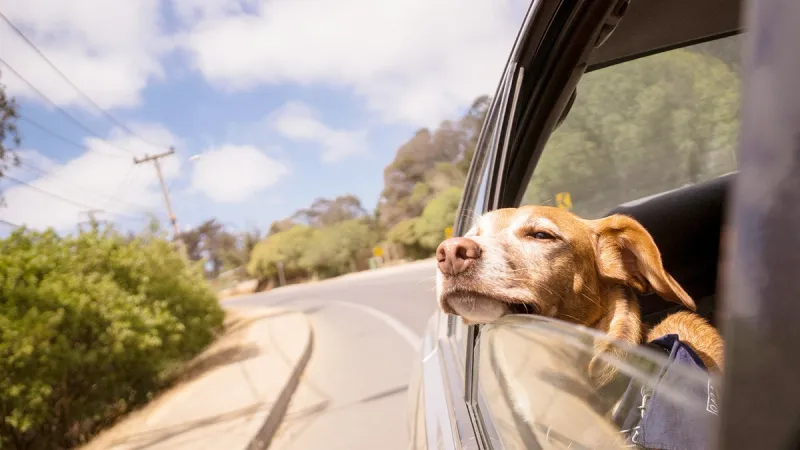
Even if you are driving, safety still comes first. For long car trips, use a secure crate, travel carrier, or crash tested harness that attaches to a seat belt. This helps protect your dog in sudden stops and prevents them from distracting the driver. Plan your route with rest stops in mind so your dog can stretch, relieve themselves, and drink water.
3. Pack Extra Toilet And Clean Up Supplies
New environments can be confusing or stressful for dogs, even those who are usually very reliable with house training. Changes in routine, smells, and surfaces can lead to accidents or missed toilet cues, especially on the first day or two.
To stay prepared, pack more toilet supplies than you think you will need, including:
- Puppy pads or toilet sheets
- Dog diapers or belly bands for dogs prone to marking or incontinence
- Plenty of waste bags
- Disposable gloves if you prefer using them
Responsible clean up is a core part of being a considerate pet guardian in public spaces. Always pick up solid waste promptly and dispose of it in designated bins. For hygiene and odor control, bring disinfecting wipes, wet wipes, and a small trash bag or pouch so you can manage messes even when bins are not nearby.
Inside your accommodation, it is wise to protect floors and bedding. Waterproof pads or sheets placed under water bowls, near doors, or in your dog’s sleeping area can help prevent stains and make clean up easier if an accident happens. Even if your dog is usually perfect at home, unfamiliar surroundings can trigger unexpected behavior, so it is best not to rely on “They never have accidents.”
4. Manage Travel Stress And Motion Sickness
Long journeys can be physically and emotionally challenging for dogs. Unfamiliar sounds, vibrations, and motion can all contribute to stress and motion sickness, especially in dogs who are not used to traveling.
Plan to stop every two to three hours during car trips so your dog can walk, sniff, relieve themselves, and drink fresh water. Short breaks help reduce stiffness, anxiety, and nausea. Avoid feeding a large meal right before departure; many dogs travel better on a slightly lighter stomach.
If your dog has a history of car sickness or anxiety, speak with your veterinarian before the trip. They can recommend:
- Safe anti nausea medications
- Calming supplements or pheromone products
- Strategies for gradually acclimating your dog to travel
Comfort items from home can also make a big difference. Bringing your dog’s usual blanket, bed, favorite toys, and familiar treats helps create a sense of security in the car, on the train, or in a hotel room. The familiar scent of home can be very reassuring in new environments.
Whenever possible, keep your dog’s routine recognizable. Offer walks at similar times to home, maintain their usual feeding schedule, and provide regular quiet time. Dogs are highly sensitive to changes in their environment, and predictable patterns help them relax.
5. Prepare For Emergencies With Smart Gear And Information
Even with careful planning, unexpected situations can arise while traveling. Weather changes, lost items, sudden illness, or a startled dog slipping a collar are all scenarios pet parents should consider in advance. Thinking through potential problems before you leave allows you to respond calmly and effectively if something does happen.
Start with identification. Every traveling dog should have a secure collar with an ID tag that clearly lists a current phone number. Microchipping is strongly recommended by veterinarians and animal welfare organizations worldwide, as it provides a permanent form of identification if a collar is lost. Before your trip, confirm that your microchip registration details are up to date.
In addition, keep recent, clear photos of your dog on your phone, including full body shots and any unique markings. If your dog becomes lost, these images can be shared quickly with local shelters, veterinary clinics, and online community groups to support search efforts.
Food and water are also part of your emergency plan. Travel can disrupt access to your dog’s usual diet, and sudden food changes may cause digestive upset. To avoid this, pack enough of your dog’s regular food for the entire trip, plus a little extra, stored in sealed, labeled portions. A portable water bottle or collapsible bowl ensures your dog can drink safely wherever you are.
For minor injuries or sudden illness, many experts recommend carrying a basic pet first aid kit that may include:
- Non adhesive bandages and gauze
- Pet safe antiseptic or disinfectant
- Tweezers or a tick removal tool
- Cooling gel sheets or cold packs
- Any prescribed medications your dog takes
Ask your veterinarian which items are most appropriate for your dog and how to use them correctly. A first aid kit is not a replacement for professional care, but it can help you manage small issues until you reach a clinic.
Turning Every Trip Into A Joyful Shared Adventure
Thoughtful preparation is one of the most powerful ways to show love to your dog. When you invest a little extra time before departure — checking health, confirming rules, packing smart, and planning for emergencies — you create the conditions for a safer, calmer, and more enjoyable journey for both of you.
Dogs cannot tell us in words when they are uncomfortable, confused, or scared. They rely on their pet parents to anticipate their needs, notice subtle changes, and make choices that prioritize their well being. On the road, even small preparations often become the moments when you think, “I am so glad I planned for this.”
By putting these five tips into practice, you can transform travel from a source of worry into a source of connection. With the right groundwork, every trip becomes more than just a change of scenery — it becomes a shared adventure that strengthens your bond and creates memories you will treasure for years to come.
- 03.20.2026
- 07.02.2025