Summer Heat Safety For Dogs With Fun At Home Water Play
This article is an English translation of the original Japanese article. Read the original Japanese version.
Dangerous summer heat can put your dog at real risk of heatstroke, even with careful walk timing and hydration. Learn how to use simple at home water play to safely cool your dog down, prevent heat stress, and turn hot days into bonding time.
Key takeaways
Q. How does bathing a dog in water help prevent heatstroke?
It releases heat directly from the body surface and lowers body temperature, making it especially effective for breeds prone to heatstroke.
Q. How should I basically bathe my dog in water at home?
Use lukewarm water in mist or shower form in the yard, balcony, or bathroom, and wet the back, belly, and legs evenly.
Q. What precautions should I especially take when bathing my dog in water?
Avoid strong sun, use lukewarm water, limit play to about 15–20 minutes, dry the dog thoroughly afterward, and use clean water.
Water Play Is A Direct And Effective Way To Prevent Heatstroke
Regular exercise and daily walks are essential for your dog’s physical and mental health. However, during extreme heat, even early morning or late evening walks can cause your dog’s body temperature to rise more than usual.
Veterinary professionals increasingly recommend cooling the body surface directly with water as a smart way to help dogs release excess heat. This is especially important for brachycephalic breeds such as Pugs, Bulldogs, and Shih Tzus, who are more prone to heatstroke because they cannot cool themselves efficiently through panting.
Thoughtful water play at home can lower body temperature, reduce heat stress, and give pet parents a practical tool to keep dogs safer in hot weather.
Easy At Home Water Play Ideas
One of the biggest advantages of water play is that you do not need special equipment or a large yard to get started. With a bit of creativity, most homes can offer a safe, cooling setup.
Your options include the backyard, a balcony, a patio, or even the bathroom. Choose a location where your dog can move comfortably and where you can manage water and clean up afterward.
Light Shower With A Hose Or Watering Can
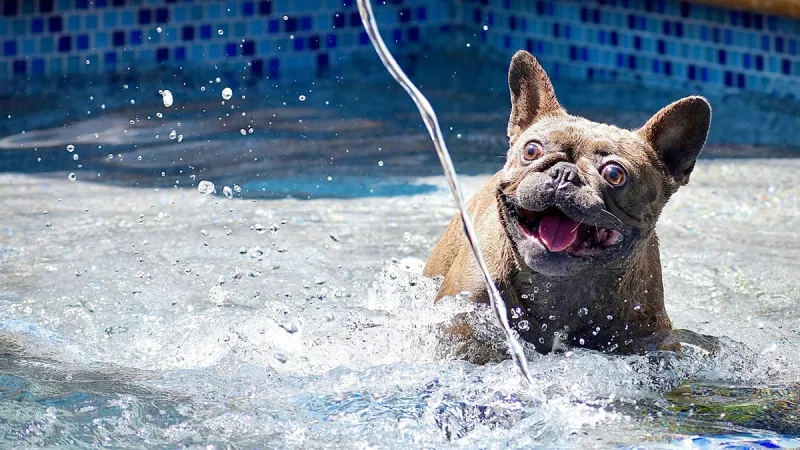
If you live in a house with a yard, a garden hose can be an excellent tool. Apartment and condo dwellers can use a balcony and a watering can or a portable sprayer. The key is to match the setup to your living situation and your dog’s comfort level.
Many dogs are startled by strong water pressure. Instead, use a mist or gentle shower setting and let the water fall slowly over your dog’s body. Focus on the back, chest and belly, and legs. Even lightly soaking these areas can help bring body temperature down efficiently.
After walks, consider rinsing your dog’s legs and paws briefly. This not only cools them but also helps remove hot asphalt residue, dust, and potential irritants from the skin and paw pads.
Partial Baths In The Bathroom Or Sink
For indoor cooling, the bathroom or a large sink can work very well. Use slightly lukewarm water rather than very cold water, and keep the session short and calm.
Place a non slip mat or a thick towel on the floor or in the tub to prevent slipping. This helps protect your dog’s joints and makes the experience feel more secure, especially for seniors or dogs with orthopedic issues.
You can gently pour water over the legs, belly, and chest, or use a handheld shower on a soft setting. Aim for quick, focused cooling rather than a full grooming bath.
Pool Play On The Balcony Or In The Yard
If you want to make water play a bigger part of your dog’s summer routine, a small dog friendly pool can be a great investment. For safety and durability, experts often recommend foldable hard sided pools over inflatable types, which can be punctured by nails and teeth.
Start by filling the pool with just enough water to wet your dog’s paws and lower legs. Allow your dog to explore at their own pace. As they become more confident, you can gradually increase the water depth.
To keep things enriching and fun, you can float waterproof toys or toss in treats that sink slightly so your dog can bob for them. Always supervise closely and keep sessions time limited to avoid fatigue.
Helping Dogs Who Are Nervous Around Water
Not every dog naturally enjoys water. For some, being suddenly soaked or placed in a pool can be frightening and may create a long lasting aversion.
To protect your dog’s emotional wellbeing, introduce water gradually and respectfully. The goal is to build positive associations, not to force participation.
Start With Gentle Contact
Begin by using a spray bottle or mister to lightly dampen a small area of your dog’s body, such as the shoulder or flank. Watch their body language carefully. Signs of stress can include lip licking, yawning, turning away, or trying to move away.
If your dog remains relaxed, you can slowly expand the area you wet. Another step is to place just a small amount of water in a shallow basin and invite your dog to step in with their front paws. Reward any curious or calm behavior with praise and high value treats.
Make It A Game You Enjoy Together
Dogs learn best when new experiences are paired with fun and safety. Try to make water play feel like a game you share.
Use favorite toys, gentle play, and tasty rewards so your dog begins to associate “places with water” as “places where good things happen.” Some pet guardians find it helpful to sit near the water, stay relaxed, and let the dog approach at their own pace rather than calling them insistently.
Over time, many dogs become more confident and may even start to seek out the water on their own.
When Water Is Just Too Stressful
Even with patient training, some dogs remain very uncomfortable around water. For these dogs, forcing water play can increase stress and damage trust.
If your dog truly dislikes water, consider cooling alternatives such as wiping the body with a well wrung, cool damp towel. Focus on areas with less fur, such as the belly, inner thighs, and armpits, where cooling is more efficient.
You can also combine this with other heat management strategies, such as cool indoor environments, fans (never blowing directly into the face), cooling mats, and careful walk timing.
Five Safety Rules For Dog Water Play
Water play is generally safe when done thoughtfully, but certain mistakes can accidentally increase health risks or physical stress. Keeping a few core rules in mind will help you protect your dog.
1. Avoid The Hottest Hours And Hot Surfaces
Even if water is involved, midday sun and hot surfaces like asphalt, tiles, or decking can still burn paws and raise body temperature. Reflective surfaces can also intensify heat.
Whenever possible, schedule water play for cooler morning or evening hours. Check the ground with your hand or bare foot; if it feels uncomfortably hot to you, it is too hot for your dog.
2. Keep The Water Lukewarm, Not Icy Cold
Very cold water may seem refreshing, but for dogs it can cause sudden temperature shocks and cardiovascular stress, especially in small breeds, seniors, and dogs with heart disease.
Aim for water that feels slightly lukewarm or just cool to the touch when you place your hand in it. This temperature range supports safe, gradual cooling without overtaxing the body.
3. Dry Thoroughly After Getting Wet
Leaving the coat and skin damp for long periods can increase the risk of skin infections, hot spots, and ear problems such as otitis externa. This is particularly important for dogs with dense coats, skin folds, or floppy ears.
After water play, towel dry your dog carefully, paying special attention to the ears, armpits, groin, and between the toes. For dogs prone to ear infections, gently dry the outer ear flap and the visible part of the ear canal with a soft, clean cloth. Avoid inserting cotton swabs deep into the ear.
4. Limit Session Length
Water games are exciting, and many dogs will keep playing long after they are tired. However, overly long sessions can lead to fatigue, muscle strain, or even a drop in body temperature, especially in smaller or lean dogs.
As a general guideline, keep water play to about 15 to 20 minutes at a time, then offer a rest in a shaded, quiet area. Observe your dog’s breathing, posture, and interest level, and end the session sooner if they seem tired or overstimulated.
5. Watch Water Quality And Hygiene
If you use natural water sources such as rivers, ponds, or lakes, be aware of potential risks from bacteria, parasites, algae, and pollutants. Dogs may also drink contaminated water while playing, which can lead to gastrointestinal upset or more serious illness.
Whenever possible, choose clean, well maintained water sources or use fresh tap water in a home pool. After playing in natural water, rinse your dog thoroughly with clean water to remove debris and microorganisms, and dry them well.
Turning Summer Water Time Into A Bonding Ritual
Thoughtfully planned water play does more than cool your dog down. It can become a rich form of communication and trust building between pet guardians and their dogs.
By observing your dog’s preferences, respecting their limits, and celebrating small steps of progress, you show them that you are a reliable partner in both fun and safety. Over time, many dogs who were once unsure about water learn to relax and even look forward to these sessions.
This summer, consider making gentle water play or cool towel sessions part of your regular heat management routine. Combined with shade, hydration, and smart walk timing, it can help your dog stay safer and more comfortable—and give you both new, happy memories to share.
- 03.20.2026
- 07.01.2025