The Essential Dog Brushing Guide Every Pet Parent Needs
This article is an English translation of the original Japanese article. Read the original Japanese version.
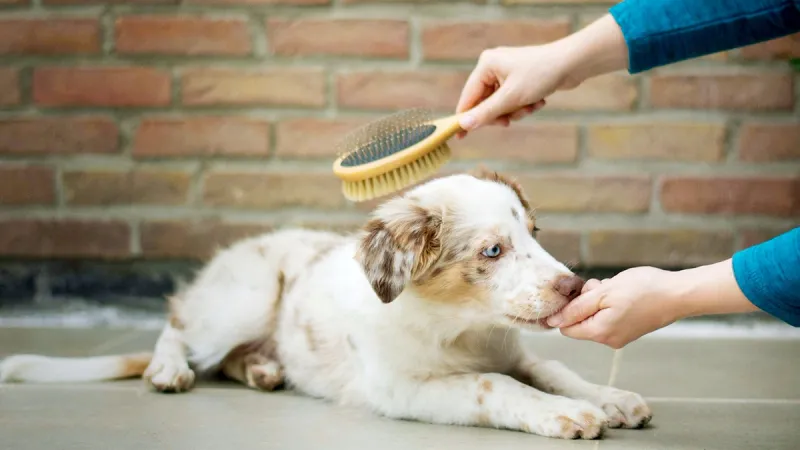
Regular brushing is about much more than a shiny coat. Learn how to choose the right brush for your dog’s coat type and turn grooming time into a health check, shedding solution, and daily bonding ritual.
Key takeaways
Q. Is brushing dogs really necessary and what are the benefits?
Brushing is essential care that prevents mats, reduces shedding, promotes blood circulation, helps early detection of skin issues, and supports bonding.
Q. Which brush should I choose for my dog's coat type?
Use a slicker and comb for long coats, a pin brush and deshedding tool for short coats, a slicker and comb for curly coats, and a slicker plus deshedding tool for double coats.
Q. How do brushing frequency and precautions differ by coat type?
Long coats should be brushed daily, short coats about twice a week, and double coats daily during shedding season. Avoid excessive force and do not pull mats; brush gently.
Five Big Benefits Of Brushing Your Dog
Brushing is one of the simplest ways to support your dog’s skin and coat health, and it offers far more than just a tidy appearance. Experts recommend making it a consistent part of your routine, no matter your dog’s breed or coat length.
Done correctly, brushing provides multiple health and lifestyle benefits:
- Removes loose hair so your home stays noticeably cleaner
- Prevents tangles and mats that can pull on the skin and cause pain
- Gently stimulates the skin, supporting healthy circulation
- Helps you spot skin issues early, such as redness, swelling, parasites, or small lumps
- Deepens the bond between dog and pet parent through calm, positive touch
Whether your dog is short-haired, long-haired, curly, or double-coated, regular brushing is essential care that supports comfort, health, and trust.
Key Types Of Dog Brushes To Know
There are many brush styles on the market, and not every tool is right for every coat. You do not need to buy everything at once, but choosing a brush that matches your dog’s coat type will make grooming faster, safer, and more effective.
Below are the main brush types used by professional groomers and veterinary teams.
Slicker Brush
Slicker brushes are a grooming staple and work for most coat types when used correctly. They feature many fine, slightly curved metal pins that are excellent for working through tangles and removing loose hair deep in the coat.
They are especially useful for long-haired dogs and breeds prone to matting, because the pins can reach down into the undercoat and lift out shed hair and debris. However, because the pins are firm, it is important to brush with a light hand to avoid scratching or irritating the skin.
Pin Brush
Pin brushes look similar to a human hairbrush, with metal pins tipped with small rounded ends. They are ideal when you want to fluff and smooth the coat for a soft, airy finish.
This type of brush works well for medium to long coats, such as Golden Retrievers and Collies. While a pin brush does not separate the hair as deeply as a slicker brush, it is excellent for everyday maintenance and finishing after detangling, and it can gently stimulate the skin to support healthy blood flow.
Comb
A metal grooming comb, often with both wide and narrow teeth, is a precision tool rather than an all-purpose brush. It is particularly useful for checking for small tangles, mats, and external parasites, and for perfecting the coat after brushing.
Because the teeth are close together, a comb makes it easier to detect hidden knots near the skin, which is crucial for small breeds and dogs like Toy Poodles and Shih Tzus whose coats require frequent monitoring. For best results, use a slicker brush first to remove most tangles, then follow with a comb to confirm the coat is truly knot-free, always avoiding forceful pulling.
Rubber Brush
Rubber brushes are soft, flexible tools designed primarily for short-haired dogs. Their rubber nubs grip loose hair effectively while providing a gentle massaging action that many dogs find relaxing.
They are an excellent choice for short-coated breeds such as Labradors, Beagles, and French Bulldogs. When used during a bath, a rubber brush can also help lift away excess oils and dirt from the skin, improving the effectiveness of shampoo. Because they are easy to rinse and dry, maintenance is simple for busy pet guardians.
Deshedding Brush
Deshedding tools are specialized brushes designed to remove large amounts of undercoat (the soft inner layer of fur). They are particularly effective during shedding seasons, when many dogs naturally release more hair.
These tools are recommended for double-coated breeds such as Shiba Inus, Pomeranians, and Akitas, which can otherwise leave significant hair around the home. While it can be very satisfying to see how much loose undercoat comes out in one session, experts advise limiting use to about once or twice a week to avoid overworking the skin.
Choosing The Right Brush And Technique For Your Dog’s Coat
Matching your brushing routine to your dog’s coat type will make grooming more comfortable and more effective. Below are coat-specific recommendations based on common breed examples.
Long Haired Dogs
Examples include Golden Retrievers, Shih Tzus, and Pomeranians. Long coats are beautiful but can easily form tangles and mats, especially in friction areas like behind the ears, under the collar, and around the legs.
For these dogs, daily light brushing is ideal. Work in small sections and gently check for tangles, mats, and debris. Start near the ends of the hair and gradually work toward the roots so you do not pull on the skin.
Recommended tools for long haired dogs
-
Slicker brush
Use the fine pins to gently break up tangles and capture loose hair throughout the coat. -
Comb
After using the slicker, run a comb through the coat to smooth the hair and confirm there are no hidden mats. -
Pin brush
Ideal as a finishing tool when you want to softly shape and maintain volume without harsh pulling.
Short Haired Dogs
Examples include French Bulldogs, Pugs, and Beagles. Short coats may look low maintenance, but many short-haired dogs shed heavily, especially in spring and autumn.
For these breeds, brushing about twice a week is a good baseline, with more frequent sessions during peak shedding seasons. Use this time to remove loose hair and check the skin for any redness, bumps, or flakiness.
Recommended tools for short haired dogs
-
Pin brush
The flexible, rounded pins are gentle on the skin and help remove surface shed hair. -
Deshedding tool
During shedding seasons, a deshedding brush can be a powerful ally for managing loose undercoat and keeping hair off furniture and clothing.
Curly And Wavy Coats
Examples include Poodles and Bichon Frises. These coats are dense and textured, and they tend to trap loose hair within the curl pattern instead of dropping it on the floor. This makes between-groomer maintenance especially important.
After bathing, always dry the coat thoroughly before brushing, as brushing tight curls when they are very wet can increase tangling. Regular at-home care helps prevent severe matting, which can be uncomfortable and may require a very short clip at the grooming salon.
Recommended tools for curly or wavy coats
-
Slicker brush
Use to lift and separate the curls, gently working through the coat in layers from the skin outward. -
Comb
Run the comb through key areas such as behind the ears, under the legs, and around the tail to check for early mats before they tighten.
Double Coated Dogs
Examples include Shiba Inus, Corgis, and Labradors. These breeds have a protective outer coat and a dense, insulating undercoat. During shedding seasons, they can release large amounts of hair in a short time.
Without regular care, loose undercoat can build up, leading to increased shedding in the home and potential skin issues if moisture becomes trapped. Daily or near-daily brushing during peak shedding periods helps keep the coat healthy and your living space more manageable.
Recommended tools for double coated dogs
-
Slicker brush
Start by using the slicker to smooth the topcoat and gently open up the outer layer, preparing the coat for deeper work. -
Deshedding tool
Once the topcoat is detangled, use a deshedding brush to remove the loose undercoat efficiently, focusing on high-shed areas like the hindquarters, chest, and neck.
Turning Brushing Into A Daily Wellness Ritual
No matter your dog’s coat type, brushing is a core part of preventive care. It supports skin health, reduces shedding, and gives you a regular opportunity to notice changes such as new lumps, sore spots, or parasites before they become serious.
By choosing tools that match your dog’s coat and using gentle, consistent techniques, you can transform grooming from a chore into a calming, bonding ritual that both you and your dog look forward to.
Start with short, positive sessions, reward your dog generously, and adjust your tools as you learn what works best. Over time, this simple habit will strengthen your relationship and contribute to a lifetime of comfort and trust for your dog.
- 03.20.2026
- 06.22.2025