7 Essential Heat Safety Tips To Protect Your Dog During Extreme Summer Weather
This article is an English translation of the original Japanese article. Read the original Japanese version.
Heat waves are arriving earlier and hitting harder, and our dogs feel the strain long before we do. Discover seven veterinarian-backed strategies every pet parent should use to prevent heatstroke and keep their dog safe, comfortable, and hydrated all summer long.
Key takeaways
Q. At what time of day is it safe to walk my dog in summer?
Early morning (5–7 a.m.) or after sunset (6–8 p.m.) is recommended. Check ground temperature with your hand before walking.
Q. How can I prevent my dog from getting heatstroke indoors?
Keep the room at 25–27°C with AC, improve airflow with a fan, and allow your dog to move freely to find a comfortable spot.
Q. What should I do if I suspect my dog has heatstroke?
If you see signs like heavy panting or staggering, move your dog to a cool, shaded place, cool the body with lukewarm water, and contact a vet immediately.
Even before peak summer arrives, many regions now see temperatures soaring into dangerous territory. When the heat ramps up this quickly, both people and dogs are at higher risk of heat exhaustion and heatstroke.
This guide walks you through seven essential heat safety habits every pet parent should practice so you can confidently help your dog stay healthy through even the hottest months.
1. Choose Safe Walk Times In Early Morning Or After Sunset
In summer, asphalt and concrete can reach temperatures far higher than the surrounding air. Metal surfaces like manhole covers become even hotter, and midday pavement can be hot enough to burn your dog’s paw pads.
The riskiest time of day is typically early afternoon, around 1 p.m. to 3 p.m., when air temperatures peak and the risk of heatstroke climbs sharply. A temperature that feels merely "a bit warm" to a human can be dangerously hot for a dog, especially brachycephalic (short-nosed) breeds, seniors, and puppies.
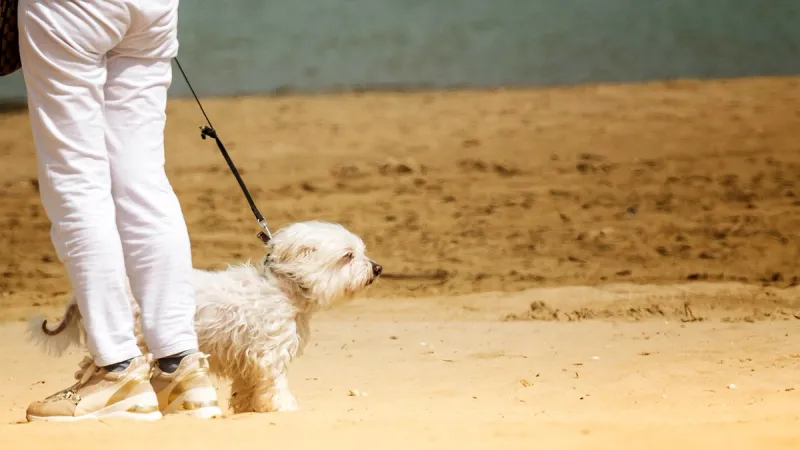
Experts recommend scheduling walks between about 5 a.m. and 7 a.m., or after sunset between about 6 p.m. and 8 p.m., depending on your local climate and daylight hours. Before heading out, check the ground with the back of your hand or bare foot for several seconds. If it’s too hot for you to tolerate comfortably, it’s too hot for your dog.
Whenever possible, choose shaded routes, grassy areas, and cooler surfaces. Even on short walks, bring fresh water and offer frequent drink breaks to help your dog stay hydrated and cool.
2. Prioritize Frequent Hydration With Fresh, Appealing Water
Dogs do not regulate body temperature the same way humans do. They have very few sweat glands and instead rely heavily on panting to release heat. This makes adequate hydration absolutely critical for preventing overheating and heatstroke.
Make sure your dog has constant access to clean, fresh water both indoors and outdoors. Refill bowls often, and wash them daily to keep the water appealing. When you’re away from home, carry a portable water bottle and collapsible bowl so your dog can drink regularly.
If your dog seems reluctant to drink, consider simple, vet-approved ways to make water more enticing, such as chilling the water slightly, or adding a small amount of goat’s milk or low-sodium, pet-safe broth. Transitioning part of their diet to high-quality wet food can also help increase overall fluid intake.
3. Keep Indoor Spaces Cool And Well Ventilated
Many pet guardians assume that staying indoors is automatically safe, but a closed-up home can heat up quickly and reach temperatures similar to a sauna, especially in humid climates or poorly insulated buildings.
To protect your dog, use air conditioning whenever indoor temperatures begin to climb. For most dogs, a room temperature in the range of about 77°F to 80°F (25°C to 27°C) is a comfortable target, though individual needs may vary.
Improve air circulation with fans or a small air circulator, but avoid pointing strong airflow directly at your dog’s face for long periods. Allow your dog free access to cooler areas of the home, such as tiled floors, shaded rooms, or spaces with better airflow, so they can choose the most comfortable spot.
4. Never Leave Your Dog Alone In A Parked Car
Veterinary and animal welfare organizations worldwide agree on this point: leaving a dog in a parked car, even for a few minutes, can be life-threatening.
In warm weather, the temperature inside a vehicle can climb rapidly. Studies show that within about 10 minutes, the interior can reach 104°F (40°C), and after 15 minutes it may exceed 122°F (50°C), even with windows cracked. These temperatures can cause organ damage and death in a very short time.
Relying on the car’s air conditioning is also risky. If the engine stalls or the system fails, the temperature can spike before you return. The idea of "I’ll just be a minute" has led to countless preventable emergencies.
To keep your dog safe, do not leave them unattended in a vehicle under any warm or hot conditions, regardless of the duration. If your dog cannot accompany you at your destination, it is safer to leave them at home in a cool, controlled environment.
5. Use Cooling Products Wisely To Help Regulate Body Temperature
Today’s pet market offers a wide range of cooling products designed to support dogs in hot weather. When chosen and used correctly, cooling aids can help slow the rise of your dog’s body temperature and improve comfort.
Common options include:
- Cooling mats or gel pads for your dog to lie on
- Bandanas or neck wraps with cold packs
- Lightweight cooling vests that can be soaked in water
These tools are best used as supplements to, not replacements for, shade, hydration, and temperature control. Always follow the manufacturer’s instructions and avoid placing ice-cold items directly against your dog’s skin, which can cause discomfort or, in rare cases, skin damage.
Supervise your dog when using products that contain gel or removable cold packs, as chewing or ingesting these materials can be dangerous. If your dog appears stressed or uncomfortable while wearing or using a cooling item, remove it and try a different approach, such as providing a cool, damp towel to lie on or increasing airflow in the room.
6. Watch For Summer Slumps In Appetite And Support Nutrition
Many dogs experience a mild drop in appetite during hot weather. While a slight decrease can be normal, ongoing poor appetite can contribute to dehydration, weight loss, and reduced resilience to heat.
If your dog seems less interested in meals, you can try softening dry food with lukewarm water, gently warming their food to enhance aroma, or choosing a more fragrant, palatable formula recommended by your veterinarian. Adding vet-approved, dog-safe vegetables or a small amount of homemade, cooled broth can also make meals more appealing.
Short-term use of high-quality wet food or a mix of wet and dry can increase both calorie and fluid intake. However, if your dog refuses food for more than 24 hours, shows signs of lethargy, vomiting, diarrhea, or rapid weight loss, contact your veterinarian promptly. They may recommend diagnostic tests, dietary adjustments, or nutritional supplements and supportive care tailored to your dog’s needs.
7. Learn The Early Signs Of Heatstroke And How To Respond
Being able to recognize heat-related illness early is one of the most powerful tools a pet guardian has. Prompt action can significantly improve your dog’s chances of recovery.
Common early signs of heat stress and potential heatstroke include:
- Heavy, rapid, or shallow panting that does not ease with rest
- Excessive drooling
- Stumbling, weakness, or unsteady gait
- Bright red or dark red-purple gums and tongue
- Vomiting, diarrhea, or sudden collapse and extreme lethargy
If you notice any of these symptoms, move your dog immediately to a shaded, cooler area. Offer small amounts of cool (not ice-cold) water if they are alert and able to drink safely. At the same time, begin gentle cooling while contacting your veterinarian or the nearest emergency animal hospital.
You can start cooling by wetting your dog’s body with room-temperature to mildly cool water, focusing on the belly, inner thighs, and paw pads. Avoid using ice water, which can cause blood vessels to constrict and may slow heat loss. Use a fan or natural airflow to help evaporate the water from their coat.
Continue cooling efforts while arranging urgent veterinary care. Do not delay professional treatment, even if your dog seems to improve, as internal damage from heatstroke may not be immediately visible.
Helping Your Dog Thrive Through Every Heat Wave
Dogs have limited ways to escape heat and regulate their body temperature on their own. That is why your awareness, planning, and daily habits are central to protecting their health and even their life during extreme weather.
The seven strategies in this guide are simple but powerful when practiced consistently: choosing safe walk times, prioritizing hydration, maintaining a cool home environment, avoiding parked cars, using cooling aids wisely, supporting nutrition, and recognizing early warning signs of heatstroke.
By building these routines into your everyday summer life, you give your dog the best chance to stay comfortable, active, and safe—no matter how high the temperature climbs. Start preparing now, and you and your dog can face the hottest months with confidence and peace of mind.
- 03.20.2026
- 06.18.2025