Dog Ate a Snail or Slug What Pet Parents Need to Know About Parasites and Nerve Damage
This article is an English translation of the original Japanese article. Read the original Japanese version.
If your dog just snapped up a snail or slug, don’t panic—but don’t ignore it either. Learn when it’s likely to cause only mild stomach upset and when dangerous parasites like rat lungworm can put your dog’s nervous system, and even human health, at risk.
Key takeaways
Q. What symptoms should I watch for right after my dog eats a snail or slug?
Watch for vomiting, soft stool/diarrhea, and loss of appetite; if these persist, you should see a veterinarian.
Q. What neurological symptoms can appear in dogs infected with Angiostrongylus cantonensis?
Possible signs include unsteady gait, hind limb paralysis, head tilt, pain hypersensitivity, seizures, and coma.
Q. What can owners do during daily walks to prevent Angiostrongylus cantonensis infection?
Avoid letting dogs sniff wet ground, keep them away from slug-prone spots, hold the leash short, and prevent scavenging.
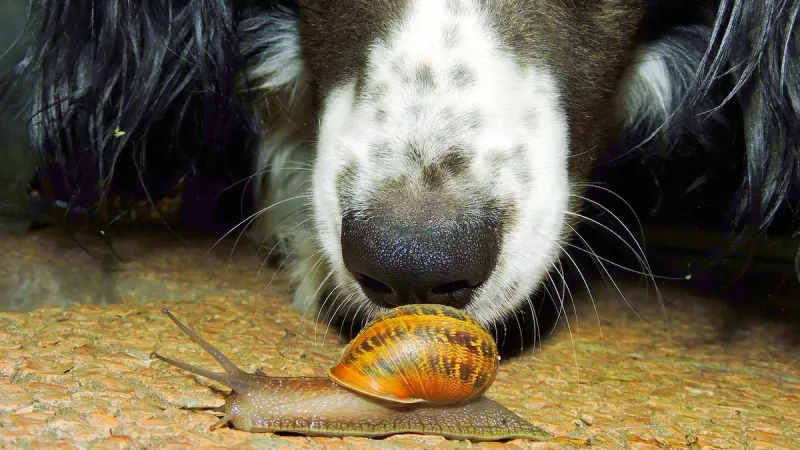
As rainy season weather rolls in, snails and slugs seem to appear everywhere. For many pet parents, that means one scary moment on a walk or in the yard when their dog suddenly gobbles one up before they can react.
It can look like a small, almost funny accident. In reality, experts warn that snails and slugs can carry parasites that pose serious risks to dogs and even humans. Understanding those risks—and how to prevent them—helps you respond calmly and effectively.
What Happens When a Dog Eats a Snail or Slug
The first concern is often the shell. A snail’s shell is made mostly of calcium and can act as a physical irritant in the digestive tract. When a dog eats a snail, you may see short‑term digestive signs such as:
- Vomiting
- Soft stool or diarrhea
- Reduced appetite or reluctance to eat
In many otherwise healthy dogs, these signs are mild and temporary. With brief fasting under veterinary guidance, a bland diet, and medications such as stomach protectants prescribed by a veterinarian, most dogs recover without long‑term issues.
However, if your dog vomits repeatedly, seems lethargic, or the symptoms last more than a day, veterinarians recommend an in‑person exam. Persistent vomiting can lead to dehydration and may signal something more serious than simple irritation from the shell.
The Bigger Threat Rat Lungworm Infection
Beyond basic stomach upset, the major concern when a dog eats a snail or slug is parasitic infection. One parasite in particular, commonly called rat lungworm (Angiostrongylus cantonensis), has been increasingly reported in parts of Japan and other regions worldwide.
Rat lungworm normally uses rats as its final host. Snails and slugs act as intermediate hosts, carrying the parasite’s larvae. When a dog accidentally eats an infected snail or slug, those larvae can enter the dog’s body and trigger a dangerous inflammatory reaction.
How Infection Happens
The typical infection pathway looks like this:
- A dog eats a snail or slug that is carrying rat lungworm larvae.
- The larvae are released in the dog’s digestive tract and enter the body.
- Instead of maturing fully, the larvae migrate to the central nervous system, including the brain and spinal cord, where they can cause inflammation and neurological signs.
In dogs, rat lungworm usually does not develop into fully mature adult worms. The problem is the larvae themselves, which can invade the brain and spinal cord and trigger severe inflammation. This is why veterinarians consider rat lungworm infection a medical emergency when suspected.
Where Rat Lungworm Is Found and Which Dogs Are at Risk
In Japan, veterinary and public health organizations have reported rat lungworm in wild rats and intermediate hosts such as snails and slugs, particularly in Okinawa and some mainland regions including parts of Shizuoka, Kanagawa, Tokyo, and Osaka. In some cases, a large invasive snail species known as the African giant snail has been involved in transmission.
Experts caution that climate change, shifts in local ecosystems, and increased movement of goods and animals may allow the parasite to spread to new areas over time. Similar concerns exist in other parts of the world, including Southeast Asia, Hawaii, and additional tropical or subtropical regions.
Importantly, rat lungworm is a zoonotic parasite, meaning it can infect humans as well as animals. Although human cases are relatively rare, infection can lead to serious neurological disease such as meningitis or meningoencephalitis. Pet guardians living in or traveling to regions where rat lungworm is present should be especially vigilant about preventing contact with snails, slugs, and their slime.
Signs Of Rat Lungworm Infection In Dogs
When a dog becomes infected with rat lungworm, the most concerning changes involve the nervous system. Pet parents may notice one or more of the following:
- Wobbly or unsteady walking
- Weakness or paralysis in the hind legs
- Head tilt or persistent head bobbing
- Heightened sensitivity to touch or pain
- Seizures, behavior changes, or even coma in severe cases
These signs are linked to inflammation in the brain and spinal cord caused by the migrating larvae. Without prompt veterinary care, dogs can suffer permanent neurological damage, and in the worst cases, the condition can be fatal.
Any sudden neurological change in your dog—especially if you know or suspect they ate a snail or slug—should be treated as an urgent situation. Early intervention offers the best chance of limiting long‑term damage.
How Veterinarians Diagnose And Treat Rat Lungworm
Diagnosing rat lungworm infection can be challenging, so veterinarians typically combine several approaches rather than relying on a single test. Common diagnostic steps include:
- Careful evaluation of your dog’s clinical signs and history
- Analysis of cerebrospinal fluid (CSF) obtained via spinal tap
- Blood tests, including checking for eosinophilia (an increase in a type of white blood cell often associated with parasites and allergies)
- Advanced imaging such as MRI or CT to assess inflammation in the brain or spinal cord
At this time, there is no single, parasite‑specific drug that reliably cures rat lungworm infection in dogs. Treatment instead focuses on controlling inflammation, protecting the nervous system, and managing pain and other symptoms.
Veterinarians often use medications such as corticosteroids to reduce the immune system’s inflammatory response in the brain and spinal cord. In some early infections, a deworming medication may be considered, but this must be done with extreme caution. Killing large numbers of larvae too quickly can trigger intense inflammation, potentially worsening neurological damage.
Because of these risks, treatment decisions are highly individualized. Pet guardians should work closely with their veterinarian or a veterinary neurologist to choose the safest, most effective plan for their dog.
Practical Prevention Tips For Pet Parents
The most effective way to protect your dog from rat lungworm and other snail‑ or slug‑borne parasites is preventing contact and accidental ingestion. Experts recommend a combination of environmental management and training:
- Avoid high‑risk areas after rain. Try not to let your dog sniff or lick wet ground, especially where snails and slugs are visible.
- Steer clear of typical snail and slug hideouts. Keep your dog away from piles of wet leaves, dense ground cover, stone borders, and shaded corners where these creatures thrive.
- Use a short leash on walks. A shorter leash gives you better control and helps prevent quick “snatch and gulp” moments.
- Teach a reliable wait or leave it cue. Training your dog to respond to cues like “Leave it” or “Wait” can be lifesaving when they show interest in something on the ground.
- Manage your yard. Regularly check and clean areas where snails and slugs gather, and avoid leaving pet food or organic debris outside that may attract them or wild rodents.
For families living in or traveling to areas where rat lungworm is known or suspected to be present, these steps are especially important. Discuss your dog’s lifestyle and local risks with your veterinarian so you can tailor prevention strategies to your environment.
Protecting Your Dog And Your Family For The Long Term
Snails and slugs may look harmless, but for dogs they can be a gateway to serious parasitic infections that affect the brain and spinal cord. Because rat lungworm can also infect humans, preventing exposure protects not only your dog but your entire household.
By staying alert on walks, managing your yard thoughtfully, and reinforcing solid training cues, you create a safer world for your dog to explore. If your dog does eat a snail or slug, monitor them closely and contact your veterinarian promptly if you notice vomiting, behavior changes, or any sign of neurological trouble.
With informed, proactive care, pet guardians can dramatically reduce the risks and help their dogs enjoy rainy‑day adventures more safely for years to come.
- 03.20.2026
- 06.14.2025