7 Common Houseplants That Can Poison Dogs and Cats and What Pet Parents Should Do Instead
This article is an English translation of the original Japanese article. Read the original Japanese version.
That stylish monstera or trailing ivy might look harmless, but some popular houseplants can cause serious poisoning in dogs and cats. Learn which plants experts say pet parents should always avoid, what symptoms to watch for, and how to keep your home both green and pet safe.
Key takeaways
Q. Which houseplants are especially dangerous for dogs and cats?
Monstera, pothos, ivy, aloe, caladium, sansevieria, and dieffenbachia are toxic and should be avoided.
Q. Are there plants that are particularly dangerous for cats?
Lily family plants and lily of the valley are especially dangerous for cats, causing acute kidney failure or coma.
Q. What should I do if my pet chews on a houseplant?
If vomiting, diarrhea, mouth swelling, or breathing issues appear, contact a vet and report what, when, and how much was eaten.
Houseplants That Can Be Dangerous For Dogs And Cats
Houseplants can instantly make a room feel calmer and more stylish. For many pet parents, a few potted greens are part of creating a cozy home. However, veterinary toxicology data show that several very common indoor plants can cause painful or even life threatening poisoning in dogs and cats.
Below, you will find some of the most frequently used decorative plants that experts recommend keeping well away from companion animals, along with typical symptoms and what pet guardians should do if a pet takes a bite.
Monstera
Monstera, with its large, dramatic leaves, is a favorite in interior design. But for dogs and cats, it is far from harmless.
The leaves and stems contain insoluble calcium oxalate crystals. When a pet chews the plant, these needle like crystals can cause intense irritation in the mouth and throat. Guardians may notice painful mouth inflammation, drooling, vomiting, pawing at the mouth, and a reduced appetite shortly after exposure.
Pothos
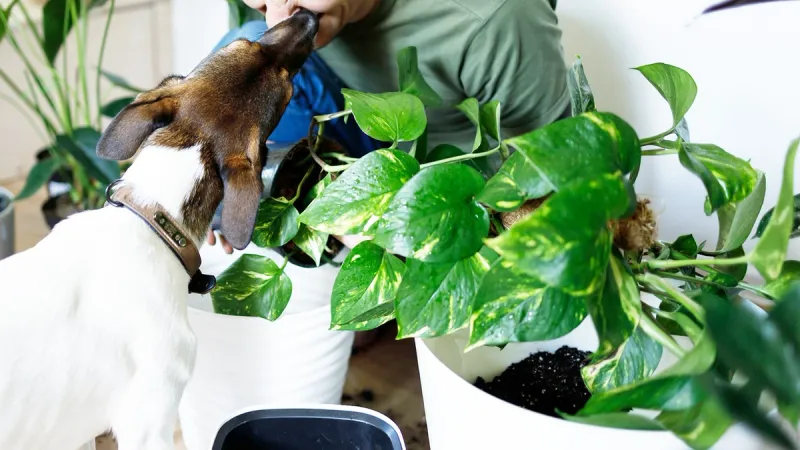
Pothos (also called devil’s ivy) is another extremely popular, easy care houseplant. Unfortunately, it carries similar risks.
Like monstera, pothos contains calcium oxalate crystals that can irritate the mouth and digestive tract. Clinical experience suggests that cats may develop more severe symptoms than dogs, including marked drooling, vomiting, and reluctance to eat after even small nibbles.
Ivy
Climbing ivy is often used in hanging baskets or as a trailing accent on shelves and walls. While attractive, it is not a safe choice for homes with pets.
The leaves and stems contain saponins, a group of naturally occurring chemicals that can be toxic when ingested. If a dog or cat chews on ivy, they may develop nausea, vomiting, diarrhea, and sometimes skin irritation or dermatitis where the plant contacts the skin.
Aloe
Aloe is widely known as a soothing, “healthy” plant for humans, especially for minor burns. But what is beneficial for people is not automatically safe for pets.
Certain species of aloe contain a compound called aloin, particularly concentrated in the peel and latex like sap. When dogs or cats ingest these parts, they can experience strong diarrhea, vomiting, abdominal discomfort, and lethargy. Because dehydration can follow severe diarrhea, prompt veterinary guidance is recommended.
Caladium
Caladium is prized for its colorful, heart shaped leaves and is often used as a focal point in plant displays. For pets, however, it is a high risk plant.
Like monstera and pothos, caladium contains large amounts of calcium oxalate crystals. Even a few bites can cause intense burning in the mouth, drooling, vomiting, and difficulty swallowing. Some pets may refuse food and water because of the pain, which can quickly worsen their condition.
Snake Plant Sansevieria
Snake plant (Sansevieria) is frequently recommended as a low maintenance, air purifying plant. Despite its popularity, it is not a pet safe choice.
Sansevieria contains saponin type toxins. When chewed or swallowed, these can trigger excessive drooling, vomiting, and diarrhea in dogs and cats. While many cases are mild, repeated or large ingestions can lead to more serious gastrointestinal upset and require veterinary care.
Dieffenbachia
Dieffenbachia, sometimes called dumb cane, is a striking plant often used in offices and living rooms. It is also considered one of the more highly toxic common houseplants for pets.
The plant contains potent calcium oxalate crystals and other irritant compounds. Even a small amount can cause severe mouth swelling, intense pain, drooling, and difficulty swallowing. In more serious cases, breathing can become labored, and emergency treatment is required.
Because of the risk of rapid, serious symptoms, experts strongly advise avoiding dieffenbachia entirely in homes with dogs or cats.
Plants That Are Especially Dangerous For Cats
Many toxic plants are hazardous to both dogs and cats. However, several factors make cats particularly vulnerable:
- Cats have less efficient liver detoxification compared with dogs for certain substances.
- Cats can easily access high shelves and window sills, where plants are often placed.
- During grooming, cats may lick toxins off their fur or paws, even if they did not actively chew the plant.
For these reasons, some plants that are risky for all pets are considered especially dangerous for cats.
Lily Family Plants
True lilies are among the most dangerous plants for cats. This includes popular varieties such as Casablanca lilies, tiger lilies, and other ornamental lilies.
Veterinary toxicology reports show that even a tiny amount of lily pollen, a single petal, or water from a vase containing lilies can cause acute kidney failure in cats. Early signs may be subtle, but without rapid treatment, the condition can be fatal.
Because of this extreme risk, experts recommend that cat guardians never bring true lilies into a home where a cat lives or visits, even as cut flowers.
Lily Of The Valley
Lily of the valley is another plant that poses a serious threat to cats.
This plant contains cardiac glycosides, compounds that affect heart function. If a cat ingests any part of the plant, they may develop vomiting, changes in heart rhythm, weakness, and in severe cases, collapse or coma.
Given the potential for life threatening heart problems, lily of the valley should be considered off limits in any cat household, indoors or in outdoor spaces the cat can access.
Why Pets Are Drawn To Chew Plants
Many pet parents are surprised when their dog or cat suddenly chews on a plant, especially if the animal is well fed and has plenty of toys. Yet, from a behavioral standpoint, this is very common.
Curiosity plays a major role. Much like human toddlers, dogs and cats explore the world with their mouths. A new texture, shape, or scent can be irresistible. Some pets also chew plants out of boredom, playfulness, or simple habit.
Because of these natural tendencies, indoor safety management is essential, not only for houseplants but for all potential hazards. Instead of assuming “my pet would never eat that,” it is safer to plan for the possibility that they might.
When evaluating your home, consider that a pet might:
- Chew or swallow items that are not meant to be food.
- Lick toxins off their fur or skin after brushing against a plant.
- Accidentally get plant material in their mouth while playing or batting at leaves.
Designing your space with these scenarios in mind can significantly reduce the risk of accidental poisoning.
What To Do If Your Pet Eats A Plant
Even with careful planning, accidents can happen. A curious dog or cat may still manage to nibble on a leaf or flower. In these situations, quick, calm action is critical.
Watch for symptoms such as:
- Vomiting or diarrhea
- Excessive drooling
- Lethargy or unusual quietness
- Swelling of the tongue, lips, or mouth
- Labored or noisy breathing
- Tremors, seizures, or unresponsiveness in severe cases
If you notice any of these signs, or if you suspect your pet has chewed a potentially toxic plant, contact a veterinarian or an animal poison control service immediately. Do not wait for symptoms to worsen.
When you call or visit, be prepared to share:
- Exactly what your pet may have eaten. If possible, bring a photo or a small sample of the plant.
- Approximately when the exposure occurred.
- How much you think was ingested (for example, “a few leaves” or “part of a flower stalk”).
- Any symptoms you have observed, even if they seem mild.
This information helps veterinary professionals quickly assess the risk and choose the most appropriate treatment.
Creating A Pet Safe Green Space At Home
The good news is that sharing your home with both pets and plants is absolutely possible. With the right knowledge and a bit of planning, pet guardians can enjoy greenery without putting their animals at risk.
Instead of choosing plants only because they are trendy or visually appealing, make pet safety your first filter. Before bringing any new plant home, take a moment to:
- Confirm whether the species is considered safe for dogs and cats using reputable veterinary or poison control resources.
- Place even non toxic plants out of easy reach if your pet is a determined chewer, to prevent stomach upset from overindulgence.
- Provide plenty of safe enrichment, such as toys, scratching posts, and interactive play, so plants are less tempting.
By making informed choices and staying alert to potential hazards, pet parents can protect their animals’ health while still enjoying the beauty and calm that plants bring to a space.
Every decision you make about your home environment is an opportunity to support your pet’s wellbeing. Choosing pet safe plants is a simple but powerful step toward a safer, happier, and more harmonious life together.
- 03.20.2026
- 06.07.2025