Why Some Dogs Really Do Need Clothes And How the Right Outfit Protects Their Health
This article is an English translation of the original Japanese article. Read the original Japanese version.
Dog clothes are not just about looking cute. For certain breeds and life stages, the right clothing can help protect sensitive skin, support temperature regulation, and reduce discomfort from dryness, allergies, or cold weather.
Key takeaways
Q. Which types of dogs should wear clothes?
Clothes are useful for dogs with sensitive skin, small cold-sensitive breeds, short-haired dogs, seniors, and those with chronic conditions.
Q. What are the main benefits of putting clothes on dogs?
Clothes help protect skin from allergies and dryness and shield the body from winter temperature changes, supporting health.
Q. How can I tell if my dog needs clothes?
If your dog seems cold, itchy, or has dry skin, consider clothes that match their condition and living environment.
Many pet parents still wonder if dog clothes are just a fashion trend or even a sign of being overprotective. In reality, well-chosen clothing can be an important part of protecting your dog’s health, especially for dogs with sensitive skin, difficulty regulating body temperature, or age-related issues.
Below, we’ll look at which dogs benefit most from wearing clothes and how the right outfit can help keep them comfortable and healthy.
Clothing That Protects Dogs With Sensitive Skin
A dog’s skin is thinner and more delicate than human skin, which makes it more vulnerable to irritation from allergens, friction, and environmental factors. Dogs with allergies are especially prone to itching and inflammation, and many will scratch or lick themselves until they cause redness, sores, or even secondary infections.
For these dogs, using clothing as a gentle barrier can help protect the skin from direct irritation. A soft, breathable shirt or bodysuit can reduce the impact of environmental allergens, limit damage from scratching, and help prevent bacteria from entering small wounds.
For example, dogs with atopic dermatitis or food allergies often experience intense itchiness. When they scratch too hard, they can break the skin and create openings where bacteria and yeast can grow. By covering vulnerable areas with comfortable clothing, pet guardians can help reduce direct trauma to the skin and lower the risk of infection.
Breeds That Often Need Clothing For Skin Protection
Some dogs are more prone to skin issues and may benefit from wearing clothes as part of their daily management plan:
- Breeds with naturally sensitive, allergy-prone skin
French Bulldogs, Pugs, and similar breeds often struggle with allergies and recurrent skin irritation. - Breeds with dry, delicate skin or fine coats
Toy Poodles, Maltese, and other small companion breeds may experience dryness and flakiness, especially in low humidity. - Dogs with reduced skin barrier function
Senior dogs or those with chronic skin conditions may have a weakened protective barrier and need extra support.
For these dogs, choosing soft, seamless, breathable fabrics and ensuring a proper fit can make clothing a helpful part of their skin care routine.
How Clothing Helps Dogs Cope With Temperature Changes
In many homes, winter means a warm, heated indoor environment and a much colder world just outside the door. This sudden temperature shift can be stressful for dogs that are small, short-coated, older, or managing chronic health conditions.
Just as people reach for a coat before stepping out into the cold, many dogs benefit from an extra layer to help them maintain a stable body temperature. Experts often recommend winter clothing for dogs that shiver easily, hesitate to go outside, or have a history of joint or respiratory issues.
Dogs that may especially need help with temperature regulation include:
- Small breeds from warm climates that are sensitive to cold
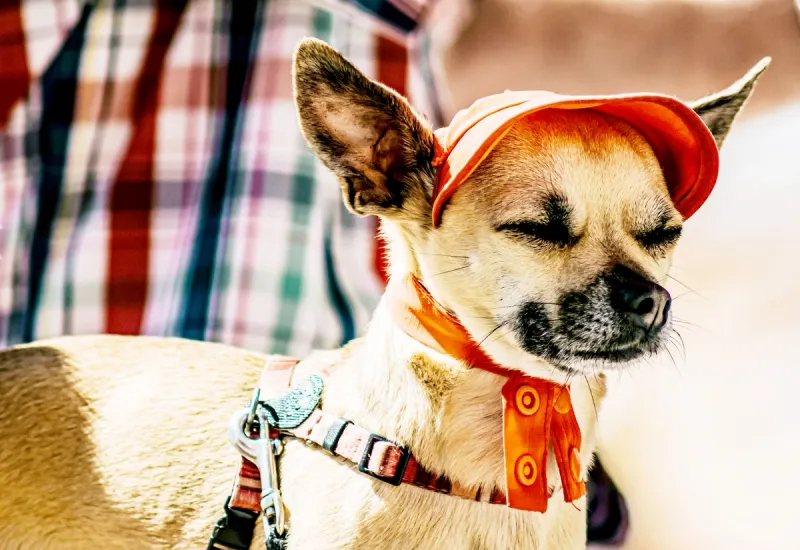
Chihuahuas, Italian Greyhounds, and similar breeds can lose body heat quickly in chilly weather. - Short-haired or smooth-coated dogs with little insulation
Miniature Pinschers, Dalmatians, and other short-coated breeds may struggle to stay warm on winter walks. - Senior dogs and dogs with chronic health conditions
Dogs with arthritis, heart disease, or other ongoing issues are often more sensitive to cold and may experience increased stiffness or discomfort.
For these dogs, a well-fitted sweater or coat during winter walks can help them conserve energy, reduce shivering, and stay more comfortable outdoors. This is especially important for maintaining regular exercise, which supports joint health, weight management, and overall well-being.
Protecting Your Dog From Winter Dryness
Cold seasons often bring low humidity, which can dry out a dog’s skin just as it does human skin. Short-haired and single-coated dogs are particularly vulnerable because they have less natural insulation and less protection from dry air and wind.
When the skin becomes too dry, the natural barrier function weakens. This can lead to itchiness, dandruff, redness, and irritation, and may worsen existing skin problems. Dogs may respond by scratching or licking more, which further damages the skin.
In addition to using vet-approved moisturizers or medicated products when needed, lightweight clothing can help shield the skin from dry air and friction. A thin, breathable shirt can reduce direct exposure to cold wind and indoor heating, helping the skin retain moisture more effectively.
Breeds That Benefit From Clothing Against Dryness
The following dogs often need extra support during dry seasons:
- Short-haired breeds with minimal coat protection
Smooth Coat Chihuahuas, Miniature Pinschers, and similar breeds can develop dry, irritated skin more easily. - Breeds with very little body hair
Italian Greyhounds and other fine-coated dogs have less natural coverage and may need clothing even indoors in colder months. - Dogs prone to chronic skin problems
American Bulldogs and other breeds with a history of skin issues may benefit from clothing as part of a broader skin care plan.
For these dogs, a soft, thin layer of clothing can help reduce dryness-related irritation and protect the skin from everyday environmental stressors.
Choosing The Right Clothes For Your Dog
Dog clothing is not just about style. When chosen thoughtfully, it becomes a practical tool for allergy management, warmth, and skin protection. The key is to match the type of clothing to your dog’s individual needs, lifestyle, and environment.
Consider the following when selecting clothes for your dog:
- Health and skin condition
If your dog has allergies, sensitive skin, or a history of infections, prioritize soft, breathable fabrics and avoid rough seams or tight elastic. - Climate and living environment
Dogs in colder regions or homes with strong air conditioning or heating may need seasonal clothing for both warmth and dryness protection. - Age, size, and coat type
Small, senior, short-haired, or single-coated dogs are more likely to benefit from regular use of clothing.
Not every dog needs to wear clothes every day. However, if you notice signs such as shivering, reluctance to go outside, frequent scratching, or flaky, dull-looking skin, it may be time to explore clothing as part of your care routine.
Supporting Your Dog’s Comfort Every Season
Thoughtfully chosen dog clothing can be a simple yet powerful way to support your dog’s comfort and health throughout the year. By paying attention to your dog’s signals and considering their breed, age, coat, and medical history, you can use clothing strategically to protect their skin, stabilize body temperature, and reduce seasonal discomfort.
As a pet guardian, you know your dog best. If you see them feeling cold, itchy, or uncomfortable, consider discussing clothing options with your veterinarian and introducing well-fitted, comfortable outfits that truly work for your dog’s body and lifestyle. With the right approach, dog clothes become more than a fashion statement—they become part of a thoughtful, lifelong care plan.
- 03.20.2026
- 03.23.2025