Common Dog Grooming Mistakes And How To Avoid Them
This article is an English translation of the original Japanese article. Read the original Japanese version.
Even experienced groomers can make mistakes when working with a live, wiggly dog. Learn the most common grooming slipups—from shampooing to paw trims—and how to prevent them so you can protect your dog’s skin, safety, and long‑term trust.
Even seasoned professional groomers can make mistakes. Any time you are working with a living, feeling animal, there is always a chance that something unexpected will happen.
Some mishaps come from inexperience, while others happen when we get a little too comfortable and let our guard down. Minor issues can often be fixed, but more serious mistakes may lead to complaints from pet parents and, more importantly, can cause stress or discomfort for the dog.
To protect both your reputation and your dog’s wellbeing, it is essential to understand which grooming mistakes are most common and how to avoid them.
Common Shampooing Mistakes
During busy seasons, it is easy to move quickly from one bath to the next. That is exactly when shampoo residue becomes a real risk. Two of the biggest problems are incomplete washing and poor rinsing.
The area that is most often forgotten is the ears. When shampoo is not rinsed away thoroughly around or inside the ear flap, it can remain on the skin and trap moisture. Over time, this can contribute to skin irritation or dermatitis.
Experts recommend paying special attention to the following when bathing a dog:
- Rinse longer than you think you need to, especially around the ears, neck, armpits, groin, and tail base.
- Use lukewarm water and gentle pressure so you can rinse thoroughly without startling the dog.
- Check with your fingers for any slippery or soapy spots before you finish.
A helpful rule of thumb is to rinse until you think you are done, and then rinse one more time. This simple habit can significantly reduce the risk of skin problems caused by leftover shampoo.
Common Paw Pad Trimming Mistakes
For long‑haired dogs who live indoors, trimming the hair on the paw pads is almost essential. Excess hair between the pads can cause slipping on smooth floors and collect dirt and debris during walks, so many pet guardians choose to keep this area neatly trimmed.
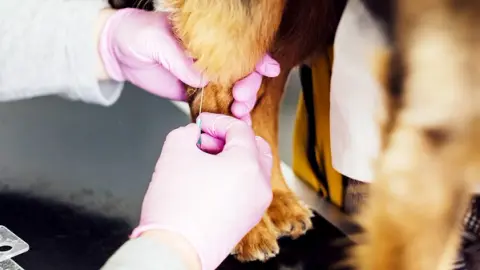
Typically, groomers gently spread the pads and use a small detail clipper to remove the hair. The goal is to clear the surface, not to dig deeply. If you trim too aggressively, you may injure the delicate tissue and ligaments between the pads.
To keep paw pad trims safe:
- Only remove surface hair and avoid pushing the clipper too far between the pads.
- Work slowly and calmly, especially with dogs who are ticklish or sensitive about their feet.
- Support the leg comfortably so the dog feels stable and is less likely to jerk away.
In addition to the paw pads, many groomers also tidy the hair around the feet. When doing this, be especially mindful of the “hidden” paw pad on the back of the leg near the heel (often called the metatarsal or “dew” pad). If you are trimming at home, locate this pad with your fingers first and then use scissors with care around that area.
Another key safety tip is to trim a little at a time instead of taking off a large amount in one cut. This makes it easier to maintain a natural, rounded shape and prevents uneven or overly short areas.
When you finish one foot and move on to the other, compare both sides frequently. Use the already‑trimmed foot as your guide so you do not fall into the trap of, “I cut too short on this side, so I’ll just shorten the other,” and end up going shorter and shorter. This “cartoon-style” mistake is more common than many people realize.
Common Problems With Mats And Tangles
Dealing with mats and tangles can be one of the most challenging parts of grooming. When a dog dislikes brushing or is already uncomfortable, they may react suddenly by twisting, pulling away, or even snapping. Many professional groomers have experienced a surprise reaction while working on a matted coat.
One of the most serious risks in these moments is holding scissors when the dog moves unexpectedly. A sudden jerk can cause the blades to slip and nick or cut the skin. In addition, when you are focused on avoiding a potential bite, it is easy to accidentally cut off more hair than intended.
To reduce the risk of injury when working on mats:
- Use tools designed for dematting, such as a dematting comb or slicker brush, before reaching for scissors.
- Stabilize the skin with your free hand so it does not pull up into the blades.
- Keep your scissors parallel to the skin, not pointed toward it.
- Pause and reassess if the dog becomes agitated instead of trying to “push through.”
If a mat is extremely tight to the skin, experts often recommend clipping it out with a guarded blade rather than trying to comb it free. While this may leave a shorter patch of hair, it is usually safer and less painful for the dog.
Working With Dogs Who May Bite
Many pet salons have strict policies about dogs who bite, and some may decline these cases for safety reasons. However, there are times when a groomer or pet guardian may still need to handle a dog who is likely to snap.
In these situations, safety must come first for both the dog and the humans involved. Consider using tools such as a properly fitted muzzle, an Elizabethan collar, or a helper to gently hold the dog. The goal is to complete only the minimum necessary grooming as efficiently and calmly as possible.
At the same time, remember that high arousal and fear are extremely stressful for the dog. For some individuals, forcing a full groom in one session can do more harm than good. If the dog is too distressed, choosing to stop or decline the service is an act of responsibility, not failure.
Many factors influence a dog’s behavior, including early socialization, past experiences, and the way they have been handled or trained at home. Pet guardians and groomers should avoid blaming themselves with thoughts like “I’m not skilled enough.” Instead, focus on what can be done safely in the moment and consider long‑term behavior support with a qualified trainer or veterinary behaviorist.
Creating Positive Grooming Experiences For Life
Any time we work with animals who have their own emotions and preferences, unexpected situations can and will occur. A single painful or frightening experience can cause a dog to resist future grooming or even refuse to enter the salon at all.
If a dog is especially difficult to handle at home, consider partnering with a professional groomer rather than insisting on doing everything yourself. A skilled groomer can not only complete the groom more safely but may also offer personalized advice for at‑home care, such as brushing routines, product choices, and desensitization exercises.
For professionals, the most important time to stay vigilant is often when you feel most confident and familiar with the work. That is when small shortcuts and assumptions can creep in. By returning to the basics—thorough rinsing, gentle handling, careful scissoring, and clear safety plans—you protect both the dogs in your care and your own peace of mind.
Whether you are a pet guardian or a grooming professional, aim to make every session a step toward building a lifetime of trust around grooming. With patience, attention to detail, and respect for each dog’s comfort, you can turn routine trims and baths into experiences that support their health, safety, and emotional wellbeing.
- 03.02.2026
- 05.14.2016