Natural Ways To Reduce Dog Tear Stains And Protect Delicate Eyes
This article is an English translation of the original Japanese article. Read the original Japanese version.
Reddish brown tear stains under your dog’s eyes can be more than just a cosmetic concern. Learn how simple changes in daily care and diet, plus gentle natural products, can help many pet parents safely reduce tear stains and support healthier eyes.
Key takeaways
Q. Why does tear staining occur in dogs?
It is caused by excess tears flowing under the eyes, where bacteria grow and cause pigmentation, often influenced by constitution and diet.
Q. What natural care methods are available for tear staining?
You can wipe around the eyes with lukewarm water on cotton and gently care with dog-safe lotions or sprays containing chamomile or aloe vera.
Q. What should I watch for in diet and lifestyle to prevent tear staining?
Choose grain-free or additive-free food, supplements with lactic acid bacteria or herbs, and maintain a clean environment with enough walks and affection.
Many pet parents are surprised to learn that small changes in daily habits and diet can significantly improve tear stains in some dogs. When you combine consistent home care with carefully chosen, naturally derived products, you can often support clearer eyes without harsh ingredients.
In this guide, we will walk through what causes tear stains, how they relate to your dog’s overall health, and practical, natural strategies you can start using right away.
What Really Causes Tear Stains And How Diet Plays A Role
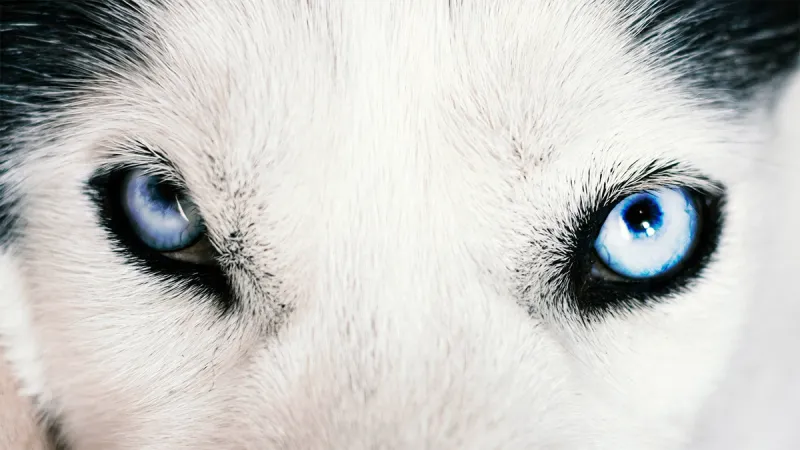
Tear stains are the reddish brown discoloration that appears under a dog’s eyes. In many cases, this staining is caused by excess tears flowing onto the fur, where moisture and bacteria build up and lead to visible pigment changes.
Some dogs are simply more prone to this than others. Breeds with naturally narrow tear ducts or prominent eyes tend to have tears that overflow more easily. This is why pet guardians often notice tear stains in small breeds such as Maltese, Toy Poodles, and Chihuahuas.
Diet can also influence tear production and skin health. Certain additives in dry food or underlying food sensitivities and allergies may contribute to increased tearing or low-grade inflammation in some dogs. For these dogs, reassessing their diet is often a key first step in a long‑term tear stain strategy.
Gentle, Naturally Derived Tear Stain Care
Effective tear stain care starts with simple, consistent daily cleaning. Many experts recommend using soft cotton pads or a gentle cloth dampened with lukewarm water to carefully wipe the fur around your dog’s eyes once or twice a day. This helps remove moisture, debris, and discharge before bacteria can build up.
When wiping, avoid rubbing or pulling at the fur. Instead, gently press and swipe away from the eye, using a fresh section of the cloth for each pass. Even this basic routine can help reduce odor, irritation, and the progression of staining over time.
In addition to plain water, many pet parents find it helpful to use naturally derived lotions or sprays formulated specifically for dogs’ eye areas. Products that include ingredients such as chamomile or aloe vera can offer mild soothing and moisturizing benefits while being gentle enough for sensitive skin.
When choosing any commercial product, always select formulas clearly labeled for canine use. Review the ingredient list, avoid harsh fragrances or unnecessary chemicals, and consider checking independent reviews from other pet guardians to see how their dogs responded.
Dietary choices can also support tear stain care from the inside. Some pet parents report improvement after switching to high‑quality, limited‑ingredient, grain‑free, or additive‑free foods, especially when their dogs have suspected sensitivities. In certain cases, reducing potential triggers may help calm underlying inflammation or mild allergic responses that contribute to excessive tearing.
Today, there are also supplements marketed specifically for tear stain support. Many of these contain probiotics, lactic acid bacteria, or herbal components aimed at promoting a healthier gut environment and more balanced immune response. While results vary between individuals, supporting the digestive system can, in some dogs, help improve overall skin and tear quality.
For any new supplement or major diet change, consult your veterinarian first, especially if your dog has existing health conditions or is taking other medications.
Lifestyle Habits That Help Prevent Tear Stains
Beyond products and food, everyday lifestyle habits play an important role in managing and preventing tear stains. A clean, low‑dust environment helps reduce the amount of irritants that can come into contact with your dog’s eyes.
Regularly wash your dog’s bedding, blankets, and soft toys to minimize dust, pollen, and bacteria. Vacuum and wipe down your dog’s favorite resting spots to keep the living area as clean as reasonably possible.
During seasons when pollen or dust levels are high, it is especially helpful to gently wipe your dog’s face after walks. Removing particles from the fur around the eyes can reduce irritation and may help limit reflex tearing triggered by environmental allergens.
Emotional and physical well‑being also matter. Chronic stress, boredom, or lack of exercise can affect the immune system and skin health in subtle ways. Providing appropriate daily walks, playtime, and calm bonding moments helps support your dog’s overall resilience, which in turn can contribute to healthier eyes and skin.
Supporting Bright, Comfortable Eyes For The Long Term
Tear stains are more than a cosmetic issue; they can be an early signal of imbalances in your dog’s body or environment. While many cases are mild and manageable at home, persistent or sudden changes in tearing should always be discussed with your veterinarian to rule out eye infections, blocked tear ducts, or other medical concerns.
The advantage of naturally focused care is that it allows pet parents to support their dog’s comfort without placing unnecessary strain on the body. By combining gentle daily cleaning, thoughtful product choices, appropriate nutrition, and a clean, low‑stress home environment, you create a comprehensive plan that respects your dog’s overall health.
With patience and consistency, many pet guardians find that tear stains gradually fade and become easier to manage. As you refine your dog’s routine, pay attention to small changes, celebrate progress, and continue working with your veterinary team. Together, you can help your dog enjoy bright, comfortable eyes and a healthier, happier life.
- 03.20.2026
- 03.29.2025