Thinking About Becoming a Dog Groomer How Pay and Work Styles Really Look
This article is an English translation of the original Japanese article. Read the original Japanese version.
Dog grooming can be a deeply rewarding career for animal lovers, but the reality of job types, pay, and benefits often surprises new groomers. Learn how groomers actually work, what they earn, and how to choose a workplace that fits your lifestyle and long‑term goals.
If you are thinking about becoming a professional dog groomer, it is natural to wonder where you will work, what your schedule will look like, and whether you can build a stable career. Understanding how the grooming industry is structured can help you make confident, informed choices instead of relying on guesswork.
How Do Professional Dog Groomers Usually Work
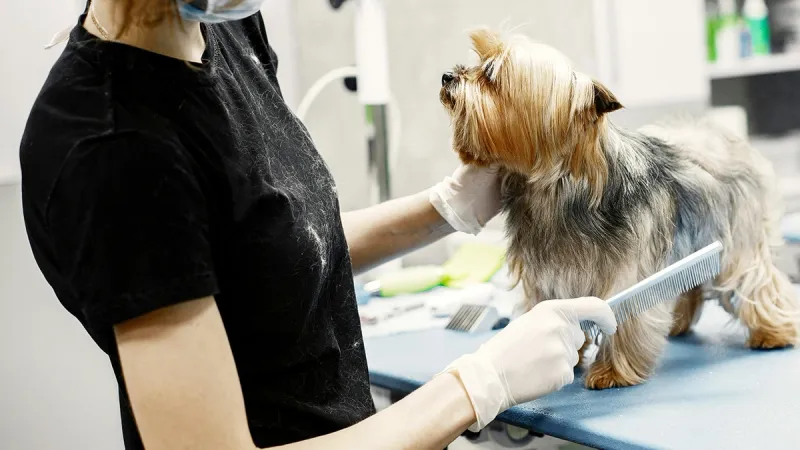
In many regions, the demand for grooming has grown alongside the broader pet boom, and job listings for groomers are often easier to find than in some other service industries. Groomers typically work in pet salons, veterinary clinics, or pet shops, and some eventually move into mobile grooming or home-based salons once they gain experience.
However, the type of employment can vary widely. While there are full-time positions, a significant number of grooming jobs are offered as part-time, casual, or contract roles. This is because client visits tend to cluster on weekends and public holidays, so many businesses prefer to increase staff only on peak days rather than maintain a large full-time team.
This pattern is especially common in small, independently owned salons. Larger chains and veterinary hospitals are more likely to hire groomers as full-time employees, often with clearer schedules and more structured roles. In these settings, though, grooming is not always the only responsibility. Groomers may also be expected to assist with retail sales, basic animal care, or reception duties.
In some workplaces, even professional groomers are given sales targets for pet products or services. For people who entered the field to focus on hands-on animal care, this can feel very different from what they imagined. As a result, many new groomers experience a gap between their expectations and the day-to-day reality, and the profession is known for having a relatively high turnover rate.
What Does a Dog Groomer Typically Earn
When a groomer is hired as a full-time employee, starting salaries are often modest. In many markets, entry-level monthly pay is on the lower end of the service industry, especially compared with roles that require similar levels of technical skill and physical effort.
A large proportion of groomers begin their careers in small, independently run salons, where it is common for bonuses or profit-sharing to be limited or unavailable. Like many customer-facing service jobs, grooming is busiest on weekends, during summer holidays, and around the end-of-year festive period. Groomers are usually expected to work on days when most other people are off, which can affect work–life balance.
Some salons use a hybrid pay system that combines a base salary with performance-based pay linked to the number of dogs groomed. This can be rewarding once you are fast and efficient, but in the early stages of your career it often takes a long time to complete each dog safely and beautifully. Because of that, new groomers may find it difficult to groom enough dogs per day to significantly boost their income.
In workplaces where pay is tied to meeting sales quotas for pet products, groomers may feel pressured to prioritize selling over grooming. This can be frustrating for professionals who want to focus on technique, animal welfare, and building trust with pet parents.
There are also occasional reports from small independent businesses of late or unpaid wages. While this is not unique to grooming and can occur in other service sectors, it contributes to the perception that grooming is a demanding field with less financial stability than some people expect. Long hours on your feet, handling anxious or heavy dogs, and managing tasks like cleaning and waste disposal can add to the sense that the work is physically and emotionally tough.
For those working as part-time or casual staff, income can fluctuate with the seasons. Outside of peak periods, there may be fewer shifts available, which can make budgeting more challenging. On the other hand, this flexibility also creates opportunities: students who are still studying grooming can often work part-time as assistants, gaining real-world experience while they complete their education.
Despite being a skilled trade, hourly wages for grooming assistants and entry-level roles are often similar to other general part-time jobs in the same region. Over time, groomers can increase their earnings by improving speed and quality, building a loyal client base, and pursuing advanced certifications.
Full-Time Groomer But No Benefits
Even when groomers are hired as full-time staff in small, independently owned salons, comprehensive social insurance and benefits are not always included. Health insurance, retirement plans, and other forms of employee support may be limited or absent, depending on local laws and how the business is structured.
If you value robust benefits and long-term security, experts recommend targeting larger chains, veterinary hospitals, or corporate-owned pet businesses when you search for grooming jobs. These employers are more likely to offer structured benefits packages, clearer career paths, and standardized employment contracts.
Larger organizations can also provide more predictable scheduling and opportunities for advancement, such as senior groomer, salon manager, or training roles. However, there are trade-offs. Large pet retail chains that offer grooming often expect staff to participate actively in sales and store operations, not just grooming. When choosing where to work, it helps to decide whether you prefer a grooming-focused environment or a broader pet retail setting with mixed responsibilities.
Finding a Grooming Career That Truly Fits You
When you look at the realities of pay, schedules, and benefits, grooming may seem less glamorous than many people imagine. Yet professional dog grooming remains a uniquely rewarding career for animal lovers. You spend your days helping dogs feel comfortable, clean, and confident, and you see the joy on the faces of pet parents when they pick up their freshly groomed companions.
To build a sustainable and satisfying career, it helps to clarify your priorities before you accept a job offer. Consider:
- Do you want stable hours and benefits, even if that means more sales or non-grooming tasks
- Are you comfortable working most weekends and holidays in exchange for weekday time off
- Would you prefer a small, close-knit salon or a larger company with clearer systems and policies
By asking these questions early, you can better match your expectations to the realities of the workplace. Over time, as your skills grow, you may choose to specialize in certain coat types, work with specific breeds, or even open your own salon.
Above all, grooming is a hands-on craft that improves with practice, mentorship, and ongoing education. If you stay curious, protect your own well-being, and choose workplaces that respect both animals and staff, you can create a grooming career that lets you enjoy every day spent with the dogs in your care.
Shaping Your Own Groomer Life
Dog grooming is not just a job; it is a lifestyle built around patience, precision, and a genuine love for animals. While the industry has its challenges, it also offers the rare chance to turn your passion for dogs into meaningful daily work.
By understanding how employment types, pay structures, and benefits really work, you can make choices that support both your career and your personal life. With the right fit, you can design a grooming career that feels sustainable, fulfilling, and true to who you are—and enjoy your own version of a happy, lifelong groomer life.
- 03.02.2026
- 05.14.2016