Dog Car Sickness Explained And How To Help Your Pup Enjoy The Ride
This article is an English translation of the original Japanese article. Read the original Japanese version.
Planning a road trip with your dog but worried about car sickness? Learn how to recognize the early signs of motion sickness in dogs and discover simple, vet-informed strategies to help your pup feel calmer, safer, and happier in the car.
What Really Happens When Dogs Get Car Sick
Many pet parents are surprised to learn that dogs can be even more sensitive to motion than humans. A dog’s inner ear balance system is highly developed, which means they feel every bump, sway, and vibration in the car.
Large breed dogs can be especially vulnerable. Their bigger bodies tend to sway more with each turn or stop, so they may feel motion more intensely than smaller dogs.
When you are riding in the car with your dog, watch closely for changes in their behavior. Early recognition of car sickness makes it much easier to help your dog feel better.
Common signs of car sickness in dogs include:
- Shaking or trembling
- Excessive drooling
- Frequent yawning
- Restlessness or pacing
- Nausea and vomiting
If you notice one or more of these signs, your dog may be experiencing motion sickness. Try to stay calm and reassuring. Your dog will often take emotional cues from you, so a relaxed, steady presence can make a real difference.
Effective Strategies To Prevent Dog Car Sickness
Car sickness is closely linked to the inner ear structure called the vestibular system, which includes the semicircular canals. When the signals from the inner ear, eyes, and body do not match, the brain can interpret this mismatch as motion sickness.
With that in mind, experts recommend a combination of gradual training, environmental adjustments, and thoughtful planning to help your dog travel more comfortably.
Help Your Dog Get Used To The Car
If your dog is not used to car rides, jumping straight into a long road trip can be overwhelming. From your dog’s perspective, the car is a noisy, moving, unfamiliar space that can feel confusing and scary.
Instead, start with very short, positive car experiences. For example, take your dog along for a quick drive around the block or a short trip to a nearby park. Keep these early rides brief and end them with something your dog enjoys, such as a walk, playtime, or a favorite treat.
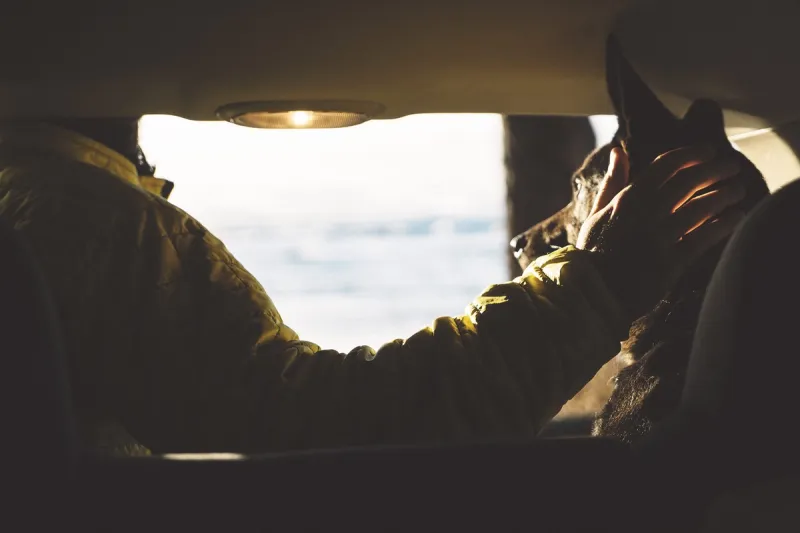
During the first few rides, consider sitting close to your dog if it is safe to do so, or having another trusted adult sit with them. Gentle petting, calm conversation, and a reassuring tone can reduce anxiety and help your dog associate the car with safety.
At the same time, drive as smoothly as possible. Avoid hard acceleration, sudden braking, and sharp turns. A smoother ride means less jarring motion for your dog’s inner ear and can significantly reduce the risk of nausea.
Why A Little Restriction Can Actually Help
It may seem kind to let your dog move freely in the car, but this often makes motion sickness worse. When dogs are allowed to roam, they tend to stand up, turn around, and shift positions frequently, which can amplify the sensation of movement.
Experts recommend using a secure travel setup, such as:
- A well-ventilated carrier or crate
- A crash-tested harness attached to a seat belt
- A travel-safe crate secured in the back of the vehicle
By gently limiting your dog’s movement, you help stabilize their body, which can reduce the conflicting signals going to the brain. A properly sized crate or carrier can make the ride feel more like a cozy den and less like a moving room.
Make the space comfortable with a familiar blanket or bed and, if your dog enjoys them, a safe chew or toy. Familiar scents and textures can further lower stress.
Time Meals Carefully Before You Drive
Food timing matters. On average, dogs need about two to three hours to digest a meal, and a full stomach combined with motion can increase the likelihood of vomiting.
However, an empty stomach is not ideal either. Some dogs feel more nauseated when they are very hungry, and stomach acid can contribute to discomfort.
A practical guideline many veterinarians suggest is to offer your dog a light meal about three hours before the drive. This gives enough time for partial digestion while avoiding both a completely full or completely empty stomach.
Even with careful planning, accidents can happen. Protecting your seats with a washable car seat cover or drive mat can make cleanup easier and reduce stress for both you and your dog if they do get sick.
Keep Car Smells And Fumes To A Minimum
Dogs experience the world primarily through scent, and their sense of smell is far more powerful than ours. What smells pleasantly fresh to humans can be overwhelming or even irritating to a dog.
Strong fragrances such as air fresheners, perfume, cigarette smoke, and concentrated cleaning products can contribute to nausea and discomfort. Exhaust fumes that seep into the car can also be problematic.
Whenever you travel with your dog, keep the air as clean and neutral as possible. Consider:
- Removing or reducing strong air fresheners
- Avoiding spraying perfume or deodorant in the car before a trip
- Ensuring good ventilation with slightly open windows or fresh air mode on the AC
Fresh, circulating air can help many dogs feel more comfortable and may reduce the intensity of motion sickness.
Schedule Regular Breaks For Fresh Air And Movement
Long, uninterrupted drives can be challenging for dogs, both physically and emotionally. Regular breaks give your dog a chance to reset their senses, stretch their legs, and relax their mind.
When possible, aim to stop about every hour, and at minimum every two to three hours. Use these breaks to:
- Let your dog walk on a leash
- Offer a chance to urinate and defecate
- Provide small sips of fresh water
- Allow them to sniff and explore safely
Many modern highway rest areas and service stations now offer designated dog areas or even dog parks and runs. These spaces can turn a simple break into a fun outing, helping your dog build a positive association with road trips.
Over time, pairing car rides with enjoyable destinations and experiences teaches your dog that travel leads to good things, not just discomfort.
When Your Dog Still Gets Queasy
Just like people, some dogs are naturally more prone to motion sickness, while others may never show symptoms at all. Even dogs that have traveled comfortably for years can begin to struggle with car rides as they age or if their balance system changes.
If your dog becomes sick during a drive, pull over safely as soon as you can. Turn off loud music, open a window slightly for fresh air, and speak to your dog in a calm, soothing voice. Gentle petting and reassurance can help them settle.
If car sickness is frequent or severe, consult your veterinarian. They can rule out underlying medical issues, discuss training strategies, and, when appropriate, recommend anti-nausea medications or supplements that are safe for your dog.
Helping Your Dog Learn That Car Rides Can Be Fun
Above all, your goal as a pet guardian is to help your dog feel that car rides are safe, predictable, and even enjoyable. Dogs are highly intelligent and form strong memories, especially around stressful events.
If your dog repeatedly feels sick or scared in the car, they may begin to associate the vehicle itself with discomfort. Conversely, if you consistently pair car rides with gentle handling, calm energy, and rewarding destinations, your dog can gradually replace fear with confidence.
Consider:
- Ending practice drives at a favorite walking spot
- Offering praise and a small treat when your dog calmly enters or exits the car
- Keeping early training sessions short and positive
As your dog’s anxiety decreases, their body often relaxes as well, which can reduce the severity of motion sickness. Many dogs are willing to work through their discomfort when they feel secure with their trusted human by their side.
Remember, your calm presence, thoughtful preparation, and patience are powerful tools.
Creating Happy Travel Memories With Your Dog
Car sickness can make travel challenging, but it does not have to prevent you and your dog from enjoying adventures together. With gradual training, smart planning, and a focus on your dog’s comfort, many dogs can learn to ride more peacefully.
If you are planning a holiday trip or a seasonal getaway, take time now to practice short drives, adjust your car environment, and observe how your dog responds. The more prepared you are, the more relaxed your dog is likely to feel.
By approaching each journey with empathy and intention, you are not just preventing nausea—you are building trust, strengthening your bond, and creating positive memories every time you travel together.
- 03.03.2026
- 12.14.2018