Does Your Java Sparrow Need Sunlight? Safe Sunbathing and UVB Light Tips for Pet Parents
This article is an English translation of the original Japanese article. Read the original Japanese version.
Java sparrows may be tiny, but their need for healthy light is big. Learn how sunlight and UVB lighting support their feathers, bones, and hormones, and discover safe, practical ways for pet parents to offer “sunbaths” even in low-light homes.
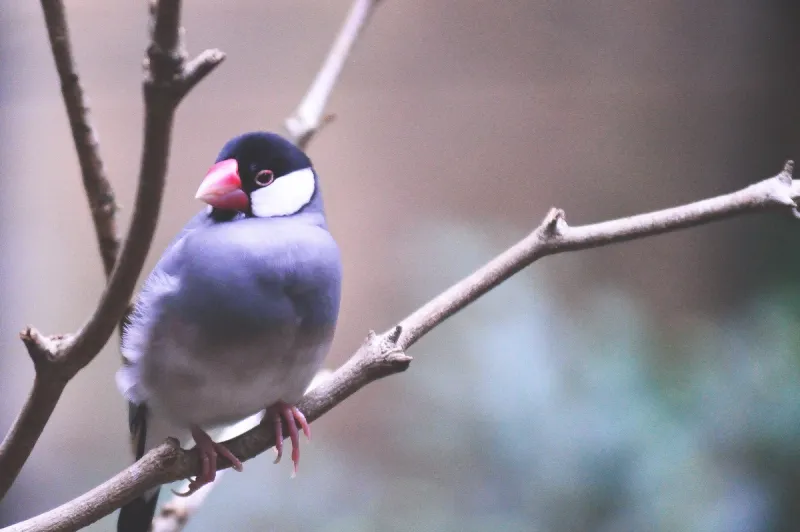
Java sparrows are small companion birds originally from the Indonesian island of Java, where they evolved under strong tropical sunlight. When we keep them indoors, many pet parents naturally wonder whether direct sunlight is really necessary and how to provide it safely.
In many homes, natural light is limited. Pet guardians may notice duller feathers or worry about weak bones and overall vitality when their birds rarely see the sun. These concerns are not unfounded. Light quality and UV exposure play a key role in a Java sparrow’s health, from feather condition to bone strength and even hormone balance.
This guide explores the climate of their native Java, why sunlight matters so much, and how modern UVB lights can help when natural sun is hard to access.
The Native Climate of Java Sparrows
As their English name “Java Sparrow” suggests, these birds originate from Java in Indonesia, a region with a warm, humid tropical climate. Understanding their homeland helps us approximate the conditions that keep them thriving in our homes.
Java is a long island with some regional variation in climate, but overall it can be described as a hot, humid, tropical environment with strong maritime influence. Western areas are typically tropical, central and eastern regions experience monsoon patterns, and some far eastern zones lean toward savanna-like conditions. Despite these differences, the general picture is consistent warmth and moisture.
Temperatures on Java rarely drop below 20°C (68°F) throughout the year. Average highs hover around 32°C (90°F), and mean temperatures sit near 28°C (82°F). There is a rainy season roughly from November to March and a drier season from April to October, but the warmth and humidity remain fairly stable.
Most important for our purposes is the intensity of sunlight. Java lies close to the equator, which means strong, direct sun shines down almost year-round. Wild Java sparrows evolved under this bright, UV-rich light, and their bodies are adapted to it.
When we bring these birds into our living rooms and apartments, we are moving them from an environment of intense, consistent sunlight to one that may be dim, filtered, and heavily shielded from UV. Thoughtful light management helps bridge that gap.
Why Sunlight Matters for Java Sparrows
Experts agree that regular exposure to appropriate light, including UVB, is beneficial for most diurnal birds, Java sparrows included. Sunlight is not just about brightness; it also contains invisible ultraviolet rays that influence their bodies in important ways.
Sunlight is made up of several types of ultraviolet light, primarily UVA, UVB, and UVC. UVC is largely filtered out by the Earth’s atmosphere and is not a concern in normal outdoor conditions. For pet birds, UVA and UVB are the key wavelengths.
Among these, UVB plays a particularly important role. Research and avian veterinary experience suggest that UVB exposure can:
- Support normal feather molt cycles, helping prevent excessively prolonged molting periods
- Help regulate reproductive hormones, encouraging breeding behavior and hormonal surges to occur at more appropriate times
- Promote vitamin D synthesis, which in turn supports healthy bone development, calcium metabolism, and overall metabolic function
In other words, UVB is closely tied to growth, feather quality, bone strength, and hormonal balance. Without adequate UVB, even a well-fed Java sparrow may not fully utilize dietary nutrients, especially calcium.
However, UVB has a significant limitation indoors: it does not pass well through common barriers. Cloud cover, window glass, and many plastics can block most UVB rays. A bird sitting behind a closed window in a bright room may receive visible light but very little UVB.
Safe Sunbathing for Indoor Java Sparrows
When conditions allow, short, supervised sunbathing sessions are one of the best ways to provide natural UVB. For healthy adult Java sparrows, many avian experts recommend aiming for brief, regular exposure rather than long, infrequent sessions.
On a clear, sunny day, consider offering your bird about 10 to 15 minutes of direct natural sunlight. A common approach is to place the cage where the sun reaches it through an open window with a secure screen, or in a safe outdoor spot where predators cannot reach the bird.
Because UVB does not pass well through standard glass, sunlight through a closed window is not an effective substitute for true sunbathing. Whenever possible, ensure there is no glass between your bird and the sunlight, while still maintaining physical safety.
During any sun session, it is crucial to prevent overheating and stress. To keep your Java sparrow comfortable:
- Provide shaded areas inside the cage so the bird can move out of direct sun if it feels too warm
- Ensure fresh water is always available, as birds may drink more when they are warm or excited
- Monitor your bird closely for signs of overheating, such as open-mouth breathing, wings held away from the body, or agitation
By keeping sessions short, supervised, and well-shaded, pet parents can let their Java sparrows enjoy the benefits of natural sunlight while minimizing risk.
When Natural Sunlight Is Hard to Provide
Not every home or lifestyle allows for regular, safe sunbathing. Some apartments receive very little direct sun. In other cases, extreme temperatures, predators, or neighborhood noise make outdoor time stressful or unsafe.
Common challenges include:
- Extreme heat in summer or severe cold in winter, making outdoor exposure risky
- Potential predators such as crows, cats, or other animals that may frighten or harm a caged bird
- Noise concerns, where excited calling during sunbathing might disturb neighbors
For pet guardians facing these limitations, UVB lighting designed for birds can be a practical alternative. While it does not fully replicate the complexity of natural sunlight, a well-chosen UVB lamp can provide meaningful benefits when used correctly.
Using UVB Lights for Java Sparrows
Specialized UVB bulbs for birds are designed to mimic key aspects of sunlight, including UVB output and color temperature. Products such as spiral UVB bulbs for birds can help support vitamin D synthesis and more natural daily rhythms, even in low-light homes.
A quality bird-specific UVB bulb typically:
- Emits controlled levels of UVB appropriate for avian species
- Offers a color temperature similar to natural daylight, which can support normal activity patterns
- Allows pet parents to provide consistent light exposure regardless of weather, season, or window placement
While even the best UVB bulbs cannot perfectly match real sunlight, they can serve as a reasonable stand-in for short daily sunbaths, especially in climates or homes where natural sun is rarely available. For many indoor-only birds, 10 to 15 minutes of exposure to a properly positioned UVB lamp can help approximate the benefits of a brief natural sun session.
When using a UVB light, always follow the manufacturer’s guidelines and, ideally, consult an avian veterinarian. Key points to consider include:
- Distance and angle between the bulb and the bird, to ensure safe and effective UVB levels
- Duration and frequency of exposure, often starting with short sessions and adjusting based on your vet’s advice
- Bulb replacement schedule, as UVB output declines over time even if the bulb still appears bright
Thoughtful use of UVB lighting can be an important part of a comprehensive indoor care plan for Java sparrows.
Supporting Your Java Sparrow With Healthy Light
Java sparrows, like most animals that live on land, depend on the sun’s energy in more ways than we can see. From feather quality to bone health and hormonal balance, appropriate light exposure is a quiet but powerful foundation of their wellbeing.
UVB lamps offer a valuable backup when natural sunlight is limited, and many pet parents successfully use them to support their birds’ health. Even so, whenever it is safely possible, aim to let your Java sparrow experience real, natural light, even if only for a few minutes at a time.
By combining safe sunbathing practices, thoughtful use of UVB lighting, and regular check-ins with an avian veterinarian, pet guardians can create a light environment that respects the Java sparrow’s tropical origins while fitting comfortably into modern indoor life. In doing so, you help your tiny companion shine with the vitality and brightness it was born to enjoy.
- 03.02.2026
- 11.22.2018

Noa Katagiri
Forever 16. A creative writer weaving stories from home. Cosplay / Portrait / Event / Writing etc…