More Than a Haircut for Dogs Why Skilled Groomers Are Essential for Your Pet’s Health
This article is an English translation of the original Japanese article. Read the original Japanese version.
A great dog groomer does far more than make your pup look cute. Discover the hidden health checks and gentle care routines professional groomers use to help your dog live a more comfortable, healthier life between vet visits.
Professional dog groomers are often called “pet stylists,” but their work goes far beyond a cute haircut. Because dogs can’t tell us when something feels off, a skilled groomer becomes an extra set of trained eyes and hands, quietly checking your dog’s overall condition every visit.
From dental care to skin health, many groomers support your veterinarian’s work by spotting small changes early. Understanding what they actually do behind the scenes can help pet parents choose services more confidently and partner more closely with their grooming professional.
Dental Care Brushing, Tartar Checks, and Gum Massage
Regular oral care is one of the most overlooked parts of dog grooming, yet dental health has a direct impact on overall lifespan and quality of life. Many groomers now offer tooth brushing, gentle tartar checks, and even light gum massage as part of their services.
Dogs are generally less prone to cavities than humans, but they are much more vulnerable to periodontal disease. When plaque and tartar build up along the gumline, bacteria can enter the bloodstream and increase the risk of heart, kidney, and liver disease.
Thoughtful groomers keep an eye on:
- Bad breath or strong odor from the mouth
- Red, swollen, or bleeding gums
- Yellow or brown tartar along the teeth
- Loose, broken, or missing teeth
While only veterinarians can diagnose and treat dental disease, routine brushing and early detection by your groomer can prompt a timely vet visit and help slow the progression of oral problems.
Anal Gland Expression
On either side of your dog’s anus are small sacs called anal glands. These glands store a strong-smelling fluid used for scent marking. In some dogs, this fluid does not empty properly on its own and can build up, leading to discomfort, infection, or even rupture.
Many professional groomers are trained to perform external anal gland expression, gently helping to release the built-up fluid. For dogs that cannot empty their glands naturally, experts often recommend expression about once a month, or as advised by your veterinarian.
Signs your dog may need help include:
- Scooting or dragging the rear on the floor
- Excessive licking or biting around the anus
- A strong, fishy odor from the back end
Some pet parents learn to do this at home, but because the area is delicate and infections can be serious, it is safest to ask your groomer or veterinarian to demonstrate proper technique and advise whether your dog truly needs it.
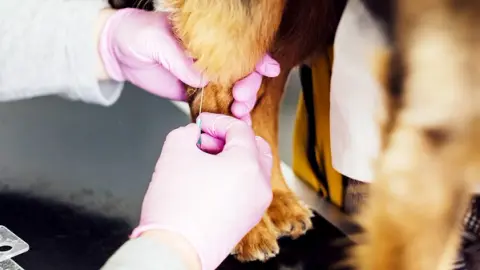
Paw Pad Care Massage and Protection
To some pet guardians, paw care can sound like pampering. In reality, healthy paw pads are essential for safe movement, traction, and comfort, especially for senior dogs or those living on hard indoor flooring.
As dogs age, the skin on their paw pads can become thick, dry, and cracked. Deep fissures may bleed, cause pain, and create an entry point for bacteria. Because dogs walk barefoot outdoors and indoors, these wounds can be slow to heal.
Groomers may offer services such as:
- Trimming excess fur between the pads to improve traction
- Applying paw balms or moisturizers to soften dry, cracked pads
- Gentle paw massages to improve circulation and help dogs relax
For dogs living on smooth surfaces like hardwood or laminate, paw care can also reduce slipping and the risk of falls, particularly in large breeds and seniors. When you understand why a treatment is recommended, it becomes easier to decide what is truly necessary versus what is simply extra indulgence.
Skin and Coat Spa Treatments
Modern grooming salons often provide a range of “spa” options that do more than just make your dog smell nice. Many of these treatments are designed to support skin health, coat quality, and comfort, especially for dogs with sensitive skin or mild, non-medical issues.
Common options include:
- Herbal or botanical packs
- Silk or protein packs for coat shine
- Clay or gel packs for deep cleansing
- Medicated baths recommended by veterinarians
- Ozone microbubble or carbonated baths for gentle skin support
Some treatments aim to help deter external parasites like fleas and ticks, while others focus on improving coat texture, shine, and color. Your groomer can help you choose services that match your dog’s skin type, coat type, and lifestyle, and may suggest a veterinary check if they notice persistent irritation, hair loss, or lesions.
Nail Trimming and Filing
Overgrown nails are more than a cosmetic issue. If nails are left untrimmed, they can curl inward and press into or even puncture the paw pads, causing pain, infection, and changes in the way your dog walks.
Experts generally recommend nail trims every two to three weeks, though active dogs on rough surfaces may need them less often. When nails are allowed to grow too long, the blood vessel and nerve inside the nail (the “quick”) also extend. This makes it harder to shorten the nails safely and may require multiple careful trims over time.
Groomers typically:
- Trim the nails to a safe length
- Use a file or grinder to smooth sharp edges
- Watch for signs of pain, cracking, or abnormal nail growth
Regular nail care helps prevent painful breaks, bleeding, and temporary lameness. If your dog resists nail trims at home, a patient, experienced groomer can often make the process faster, safer, and less stressful.
Ear Cleaning and Ear Hair Management
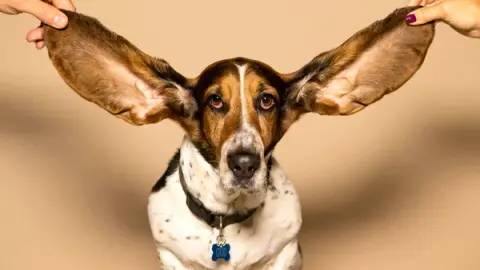
A dog’s ear canal is long, curved, and lined with delicate skin. Keeping it clean and dry is important to help prevent outer ear infections, especially in breeds with floppy ears or heavy ear hair.
Professional groomers are trained to clean the visible part of the ear gently, without pushing debris deeper. They may use a veterinarian-approved ear cleaner and soft cotton or gauze to wipe away wax and dirt. In some breeds, groomers also manage excess ear hair to improve airflow, following current best practices and, ideally, your veterinarian’s guidance.
At the same time, over-cleaning or aggressive scrubbing can irritate the ear and actually increase the risk of infection. Leaving the ears damp after a bath can also create a warm, humid environment where yeast and bacteria thrive.
Groomers watch for warning signs such as:
- Redness, swelling, or heat around the ear
- Strong odor or dark discharge
- Head shaking or scratching at the ears
If they notice these changes, a responsible groomer will pause cosmetic ear work and recommend a veterinary exam rather than trying to treat the problem themselves.
Partnering With Your Groomer for Lifelong Care
A dedicated groomer does far more than keep your dog looking tidy. During each visit, they are quietly checking skin, coat, paws, ears, teeth, and overall demeanor, often noticing subtle changes that even attentive pet parents may miss.
If your groomer routinely shares observations about your dog’s condition after an appointment, you are likely working with a true professional who cares deeply about your dog’s well-being. While grooming salons cannot replace veterinary care or perform medical diagnostics, they can be invaluable allies in deciding when something looks unusual enough to warrant a vet visit.
By building a trusting relationship with both your veterinarian and your groomer, you create a supportive team around your dog. Together, you can catch problems earlier, keep your dog more comfortable, and turn every grooming session into a step toward a longer, healthier, and happier life.
- 03.02.2026
- 01.21.2014