Prevent Mold on Your Dog or Cat How To Protect Sensitive Skin in Humid Weather
This article is an English translation of the original Japanese article. Read the original Japanese version.
Mold is not just a bathroom problem. In warm, humid weather, it can also affect your dog or cat’s skin and ears. Learn how to spot early warning signs and the simple grooming and home-care habits that help keep your pet comfortable and mold free.
Imagining visible mold on your dog or cat is enough to make any pet parent shudder. Yet in warm, humid environments, mold and yeast can quietly take hold on the skin, especially when fur stays damp or grooming falls behind.
This guide explains what “mold on pets” really means, why humidity is such a powerful trigger, and the practical steps pet guardians can take to protect their companions’ skin all year round.
What Does Mold on Pets Actually Mean
When people hear “mold,” they often picture the black or green patches that grow in bathrooms or around sinks. On pets, we are usually talking about microscopic fungi and yeast that live on the skin and can overgrow under the right conditions.
These organisms are everywhere in the environment. Problems start when they multiply on the skin surface or in the ears. Overgrowth can be triggered when a pet:
- Licks or ingests mold spores from contaminated surfaces or objects
- Has mold or yeast settle on the skin, especially in moist, poorly ventilated areas
- Is left damp after a bath, allowing fungi to thrive in the warm, humid coat
Experts emphasize that post-bath care is one of the most important—and most overlooked—factors. Thorough drying and careful brushing after every shampoo help prevent trapped moisture, tangles, and mats that collect dirt and microorganisms.
When fur is only half-dry, humidity rises close to the skin. If brushing is rushed or skipped, tangles and mats form, creating dense pockets where moisture, skin oils, and debris build up. These are ideal conditions for fungal and yeast overgrowth.
Key Habits To Help Prevent Mold Growth
For dogs and cats wrapped in thick, plush coats, lingering dampness is the enemy. A partially dried coat can become a warm, humid “greenhouse” for fungi.
Pet guardians can reduce risk by focusing on three core habits:
- Dry thoroughly with a hair dryer on a safe, low-heat setting, directing air down to the skin, not just over the surface of the coat
- Brush gently and thoroughly to prevent mats and tangles where dirt, oils, and moisture can accumulate
- Use clean, hygienic towels and wash or replace them frequently so you are not reapplying microbes to the coat
Aim to dry the coat until the fur at the base, close to the skin, feels dry to the touch. For long-haired or double-coated breeds, this can take longer than many pet parents expect.
In hot weather, it can be tempting to think, “It’s warm, they will air dry on their own.” However, skin and fur that stay damp for a long time tend to attract more dirt, pollen, and microorganisms before they fully dry. This is especially true in humid climates or poorly ventilated rooms.
For that reason, experts strongly advise that air drying alone should be avoided. Active drying with a towel and dryer, followed by brushing, is a much safer routine.
Where Mold and Yeast Tend To Grow on Pets
Fungal and yeast overgrowth often appears in areas where the skin is softer, warmer, and more likely to trap moisture. These include:
- Ears, especially the ear canal and folds
- Skin around the eyes
- Mouth and lips
- Armpits and other skin folds
Many of these areas are on or around the face, where natural tears, saliva, and skin oils keep the skin slightly moist.
One particular yeast, Malassezia, is well known in veterinary medicine. It thrives in waxy, oily environments and often overgrows in the ears, especially when there is a lot of earwax.
Dogs and cats with floppy or folded ears are at higher risk because airflow inside the ear is reduced, trapping warmth and humidity. Regular ear checks and gentle cleaning, as directed by your veterinarian, are especially important for these pets.
Conditions That Allow Mold To Thrive
Fungi and mold do not grow well just anywhere. Research and environmental guidelines consistently show that they prefer three main conditions:
- Temperature around 20–30°C (68–86°F)
- Humidity above about 60 percent
- Organic material such as skin flakes, dust, and dirt
In other words, warm, humid environments with plenty of debris are ideal for mold and yeast. Many homes reach these conditions in summer or during rainy seasons, especially in bathrooms, laundry areas, and poorly ventilated rooms.
When you combine this environment with a damp coat or dirty, moist bedding, your pet’s skin is exposed to exactly the conditions fungi love.
Household Hygiene To Keep Mold Away From Pets
Beyond drying and brushing, pet guardians can significantly reduce risk by managing the home environment so mold is less likely to flourish.
One of the most common problem areas is the litter box or indoor toilet area. These spaces naturally collect moisture and organic material, making them prime spots for mold and bacteria.
To keep these areas safer:
- Clean up urine and feces promptly and thoroughly after each use whenever possible
- Choose a location with good airflow, away from damp corners or windowless closets
- Use fans or air circulators to keep air moving and reduce humidity buildup
By lowering moisture and removing organic debris quickly, you make it much harder for mold and yeast to multiply in your pet’s immediate environment.
Do Not Forget the Air Conditioner
Air conditioner filters are easy to overlook, but they can quietly collect large amounts of dust. In homes with pets, shedding fur and dander add to this buildup, creating a dense layer of material where mold can grow.
When the unit runs, it can then blow mold spores and dust back into the room, exposing both pets and humans.
To reduce this risk:
- Check and clean AC filters regularly according to the manufacturer’s instructions
- Consider using disposable pre-filters and replacing them frequently in multi-pet homes
Keeping filters clean improves air quality, reduces allergens, and helps limit the spread of mold spores throughout your living space.
How Mold and Yeast Problems Show Up on Pets
Skin and ear issues related to fungi and yeast can look different from pet to pet, but veterinarians commonly see:
- Dandruff or flaky skin
- A distinct, often musty or yeasty odor from the skin or ears
- Redness or irritation of the skin
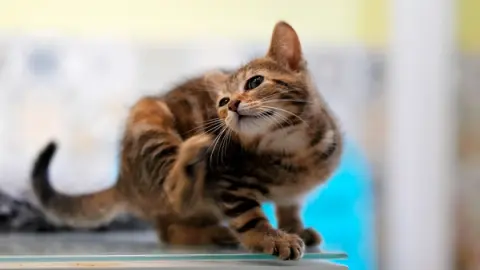
- Intense itching, leading to scratching, rubbing, or licking
If the problem continues or worsens, additional changes may appear, such as:
- Darkening or thickening of the skin in affected areas
- Hair loss or thinning fur over irritated patches
Any of these signs warrant attention. If you notice unusual odor, redness, flaking, or persistent itching, schedule a visit with your veterinarian promptly. Early evaluation helps prevent more serious infections and discomfort.
Treatment depends on the type and severity of the infection. Veterinarians may recommend:
- Topical medications, such as antifungal creams, ointments, or medicated shampoos
- Oral medications, when deeper or more widespread infections are present
- In-clinic cleaning or medicated bathing, especially for mild cases that respond well to thorough cleansing
Following the full treatment plan and any home-care instructions is essential to clear the infection and reduce the chance of recurrence.
Creating a Mold Safe Routine for Your Pet
Mold and yeast are part of everyday life, but simple, consistent habits can dramatically lower the risk of skin and ear problems for your dog or cat.
Focus on:
- Thorough drying and brushing after every bath
- Regular cleaning of ears, bedding, litter areas, and high-humidity spaces
- Good airflow and humidity control in the rooms where your pet spends the most time
- Daily hands-on contact and brushing so you can spot changes in skin, coat, or odor early
By building these steps into your routine, you not only help prevent fungal issues but also strengthen the bond with your pet through regular grooming and gentle check-ins.
If you ever notice changes in your pet’s skin, coat, or comfort level, reach out to your veterinarian or a qualified animal care professional right away. Together, you can create a long-term plan that keeps your companion comfortable, healthy, and happily mold free.
- 03.02.2026
- 11.05.2018
Reia
I live a peaceful life with my four cats and one dog. I hold a Grade 2 certification as a Companion Animal Care Manager. Currently, I am studying every day to pursue a career where I can be of help to as many animals and animal lovers as possible.