Can Dogs And Cats Drink Tea Safely? What Pet Parents Need To Know About Caffeine
This article is an English translation of the original Japanese article. Read the original Japanese version.
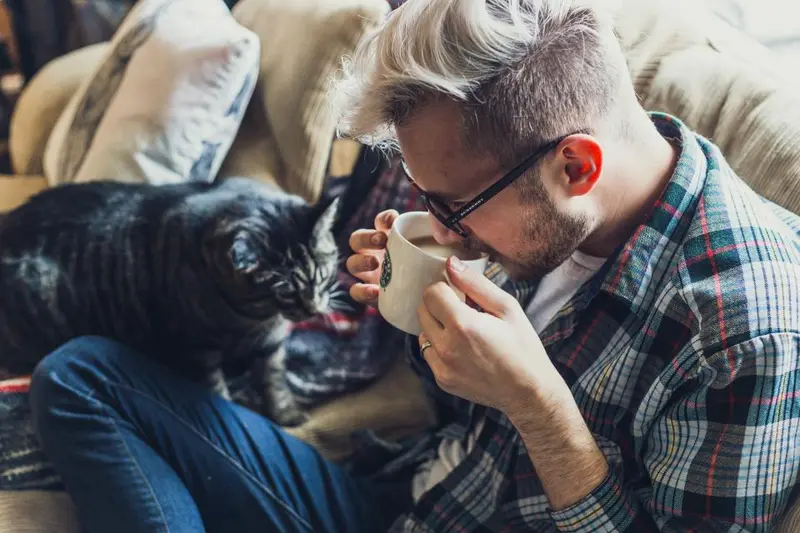
Many dogs and cats seem fascinated by whatever their pet parents are drinking, including tea. Before you share a sip, learn which teas are unsafe, what caffeine poisoning looks like, and when caffeine free options may be used safely in pets.
Key takeaways
Q. Which types of tea must never be given to dogs and cats?
Black tea, green tea, matcha, oolong tea, gyokuro, hojicha, and jasmine tea must not be given due to poisoning risks.
Q. What symptoms appear when dogs or cats suffer caffeine poisoning?
They may become restless and sensitive, urinate frequently, have accidents, vomit, get diarrhea, breathe faster, have a higher temperature, and in severe cases suffer seizures or death.
Q. What should be noted when giving non-caffeinated tea?
Dilute it 2–3 times more than for humans, avoid giving too much, and watch for mineral overload, allergies, or diarrhea.
Is It Ever Safe To Share Tea With Your Dog Or Cat?
Curious dogs and cats often want to investigate anything their pet parents are eating or drinking. If your pet is staring at your mug of tea or gently pawing at your hand, it can be tempting to offer just a little taste.
However, not all teas are created equal when it comes to pet safety. Some are clearly unsafe, while a few caffeine free options may be used in very small amounts under the right conditions.
Understanding which teas are risky and how caffeine affects pets helps you make safer choices at home.
Why Caffeine Is Dangerous For Pets
Many common teas contain caffeine. In dogs and cats, caffeine is absorbed quickly and their bodies cannot process it as efficiently as humans can. This makes them much more sensitive to its effects.
Caffeine stimulates the central nervous system, heart, and kidneys. Even relatively small amounts can lead to caffeine toxicity, which is considered a medical emergency in veterinary medicine.
Pet guardians should avoid offering any drink or food that contains caffeine, including most traditional teas.
Signs Of Caffeine Poisoning In Dogs And Cats
Caffeine poisoning does not always look dramatic at first. Early signs can be subtle, so it is important to know what to watch for if your pet may have ingested tea or tea leaves.
Common symptoms of caffeine toxicity include:
- Restlessness, pacing, or inability to settle
- Increased sensitivity to sounds or touch
- Increased urination or accidents in the house
- Vomiting and or diarrhea
- Rapid breathing or panting
- Elevated body temperature
In more severe cases, pets may develop muscle tremors or seizures. Without prompt treatment, caffeine poisoning can be fatal.
If you notice any of these signs and suspect caffeine exposure, contact a veterinarian or emergency clinic immediately.
Teas You Should Never Give Your Dog Or Cat
Any tea that contains caffeine has the potential to cause caffeine toxicity in pets. Experts recommend treating all caffeinated teas as unsafe for dogs and cats.
Teas that typically contain significant amounts of caffeine include:
- Black tea
- Green tea
- Matcha
- Oolong tea
- Gyokuro a type of high grade Japanese green tea with especially high caffeine levels
Roasted green tea such as hojicha generally contains less caffeine than standard green tea, but it is still not considered safe to offer to pets.
Jasmine tea is often marketed as caffeine free or low caffeine, but it introduces another concern. Jasmine itself can be problematic for pets, and there is a risk of jasmine related toxicity, so jasmine tea should also be avoided.
The safest approach is simple. If a tea contains caffeine or jasmine, do not give it to your dog or cat.
When Caffeine Free Tea May Be Used With Caution
Some herbal or grain based teas do not contain caffeine. In limited situations, and in very small amounts, these may be offered to otherwise healthy pets. Even then, they should never replace fresh water.
If you and your veterinarian decide that a caffeine free tea is appropriate, it should be diluted to two to three times weaker than you would drink yourself. In addition, it should be offered only occasionally, not as a daily staple.
Below are four commonly discussed caffeine free teas and how they may affect pets.
Barley Tea Mugicha
Barley tea is made from roasted barley and is naturally caffeine free. In humans, it is often enjoyed chilled in hot weather. Some evidence suggests it may help support circulation and blood pressure.
Because barley tea has a mild cooling effect on the body, it is sometimes used in summer. It may also help support oral health by reducing certain bacteria, which is why some pet guardians are curious about it.
Interestingly, many cats seem to enjoy the aroma of barley tea. One theory is that its scent and flavor resemble cat grass, which some cats like to nibble.
Even so, barley tea should only be offered in very small, well diluted amounts and only to pets without grain sensitivities. It must never replace clean, fresh water.
Dandelion Tea
Dandelion tea is made from the roots or leaves of the dandelion plant and is naturally caffeine free. In traditional herbal use, it is known for supporting digestion and bowel movements.
For dogs and cats that tend toward mild constipation, dandelion tea may help stimulate digestion and promote more regular stools. It also has notable diuretic properties, which means it encourages the body to excrete extra fluid and metabolic waste through urine.
However, because it can be quite effective, dandelion tea may cause diarrhea in pets with sensitive intestines. It should be used very cautiously, if at all, and only under veterinary guidance.
Black Soybean Tea Kuromame Cha
Black soybean tea is brewed from roasted black soybeans and is naturally caffeine free. It is often valued for its antioxidant content and potential benefits for circulation and weight management.
The dark pigments in black soybeans contain anthocyanins, compounds that may help slow cellular aging and support eye health. For this reason, some pet guardians are interested in it as a functional drink.
Despite these potential benefits, black soybean tea is still a plant based infusion with active compounds. Only offer tiny, diluted amounts if your veterinarian agrees it is appropriate, and avoid it entirely if your pet has a history of food allergies or sensitivities, especially to soy.
Buckwheat Tea Soba Cha
Buckwheat tea is made from roasted buckwheat kernels and is naturally caffeine free. It is sometimes promoted as a health food, with potential benefits for blood pressure and blood sugar regulation.
You may even see buckwheat used in some dog treat recipes. However, buckwheat and buckwheat based products can trigger severe allergic reactions, including anaphylactic shock, in susceptible individuals.
In anaphylaxis, pets may suddenly develop facial swelling, hives, vomiting, collapse, or difficulty breathing. This condition is life threatening and requires emergency veterinary care.
Because of this risk, buckwheat tea should be used with extreme caution, if at all. If your dog or cat ever seems unwell after ingesting buckwheat tea or any buckwheat containing product, seek veterinary help immediately.
How Much Caffeine Is Dangerous For Pets
Research suggests that ingesting 100 to 200 milligrams of caffeine per kilogram of body weight can put dogs and cats at high risk for severe caffeine toxicity.
To put this into perspective, many green and black teas contain around 20 milligrams of caffeine per 100 milliliters. Some stronger green teas can contain closer to 30 milligrams per 100 milliliters.
However, there is significant individual variation in how much caffeine will trigger symptoms. Age, underlying health conditions, and sensitivity all play a role.
Because of this unpredictability, experts strongly advise never intentionally offering caffeinated tea to pets, even if you believe the amount is small.
What To Do If Your Pet Drinks Tea Or Eats Tea Leaves
Even in careful households, accidents happen. A curious pet may knock over a cup, lick spilled tea, or chew on a used tea bag. Green tea, black tea, and even concentrated tea leaves or bags can all be dangerous.
If you know or suspect your dog or cat has ingested caffeinated tea or tea leaves, do not wait for symptoms to appear. Contact your veterinarian or an emergency clinic right away and follow their instructions.
When caffeine ingestion is caught very early, veterinarians may administer medication to induce vomiting and remove as much of the tea or leaves from the stomach as possible. This can help reduce the risk of serious toxicity.
If more time has passed, your veterinarian may recommend gastric lavage stomach washing, activated charcoal to bind remaining caffeine, and medications tailored to your pet’s symptoms, such as drugs to control heart rate, seizures, or abnormal rhythms.
At this time, there is no specific antidote for caffeine poisoning. Treatment focuses on supporting the body and managing complications until the caffeine is metabolized and excreted.
The most effective protection is prevention. Keep tea bags, loose leaf tea, and mugs of tea well out of reach, and never assume a pet will ignore a drink just because it is not food.
Why Plain Water Is Still The Best Choice
Even caffeine free teas are not completely risk free. Many contain minerals and active plant compounds that can stress the kidneys or contribute to health issues if offered too frequently or in large amounts.
Excessive mineral intake over time may contribute to urinary tract problems or other medical conditions in susceptible pets. For this reason, veterinarians generally recommend limiting herbal teas to rare, very small amounts, if they are used at all.
For everyday hydration, plain, fresh water is the safest and healthiest option for both dogs and cats. It supports normal kidney function, helps regulate body temperature, and does not introduce unnecessary additives.
Choosing Safer Habits For A Lifetime Of Better Care
Sharing daily routines with our animals can be a wonderful way to bond, but not every human habit translates safely to pets. When it comes to tea, the kindest choice is usually to keep your mug to yourself.
By avoiding caffeinated teas entirely, using caffeine free options only with caution, and prioritizing clean water, pet parents can significantly reduce the risk of caffeine toxicity and other tea related problems.
If you ever have questions about a specific drink, herb, or supplement, discuss it with your veterinarian before offering it to your dog or cat. Thoughtful, informed decisions today help build a lifetime of trust, comfort, and well being for the animals who depend on you.
- 03.21.2026
- 05.29.2017

Mame
I am in my first year as a homemaker. I love animals, especially dogs and fish. I look forward to sharing lots of information with you.