Why Your Dog Smells And How To Gently Fix It

This article is an English translation of the original Japanese article. Read the original Japanese version.
Noticing a stronger smell from your dog lately, even though you are bathing and brushing regularly? Learn what veterinarians and grooming experts say about the real causes of doggy odor and the simple changes that can make your best friend smell fresher and feel healthier.
Key takeaways
Q. What are the main causes of stronger body odor in dogs?
Low-quality pet food, unsuitable or harsh shampoos, insufficient ear and anal gland care, and seborrheic dermatitis can all cause stronger body odor.
Q. How should I review my dog's food to reduce body odor?
Choose foods with high-quality ingredients and no additives, such as many premium foods, and check for preservatives while finding what suits your dog.
Q. What are key points in shampooing and ear/anal gland care to reduce odor?
Use mild or medicated shampoos, clean ears with ear-cleaning solution, and regularly express anal glands as key steps for odor control.
Why Does My Dog Smell More Lately?
Many pet parents suddenly realize one day that their dog just smells "stronger" than before. Even with regular brushing and baths, that stubborn odor seems to come right back.
Instead of masking the smell with perfumes or overbathing, it helps to understand why dogs develop body odor in the first place. Once you know the common causes, you can choose safer food, gentler grooming products, and better routines that support your dog’s overall health.
Below, we break down the main reasons dogs start to smell and what experts recommend you do about each one.
How Low Quality Dog Food Can Make Odor Worse
Walk down any pet food aisle and you will see an overwhelming range of prices and promises. But when it comes to body odor, what is inside the bag matters far more than what is printed on the front.
Many very low cost dog foods sold in big box stores use meat by‑products and lower quality animal ingredients. These formulas may also rely heavily on artificial preservatives, flavorings, and colorings. When you open the bag and are hit with a harsh, artificial smell, that is often a sign of heavy processing and added chemicals.
Dogs who eat this kind of food every day often produce stronger smelling stool and gas, and over time, their overall body odor can intensify as well. What goes into the body will eventually come out through the skin, coat, and digestive system.
Another concern is that many budget foods stay “fresh” for months after opening because they contain powerful preservatives. While long shelf life may seem convenient, food that does not spoil for a very long time is usually highly processed. For a living animal, that is not always a positive.
Dogs cannot choose their own meals. As pet guardians, we decide what fuels their bodies. Choosing higher quality food is one of the most effective ways to support a healthier coat, better digestion, and milder natural odor.
When Shampoo Is Part Of The Problem
If your dog smells, it is natural to think, "I should bathe them more." But the type of shampoo you use can either help or quietly make things worse.
Some pet parents still reach for human shampoo or body wash when bathing their dogs. Human products are formulated for human skin, which has a different pH and oil balance than canine skin. These formulas are often too harsh for dogs and can strip away protective oils, leading to irritation, dryness, and a disrupted skin barrier.
Even among dog shampoos, very cheap formulas may have overly strong detergents. These can remove too much natural sebum, leaving the skin vulnerable. In response, the body may produce even more oil to compensate, which can create a cycle of greasiness, itchiness, and stronger odor.
Dogs actually have more delicate skin than many people realize. Once a dog develops a skin condition, it can take weeks or months of treatment to fully resolve, and intense itching can significantly affect their quality of life.
If you notice that your dog smells worse a day or two after a bath, or if they are scratching more, it may be time to rethink your shampoo choice and bathing routine rather than simply bathing more often.
Hidden Odor Sources Ears And Anal Glands
Sometimes the strongest smells do not come from the coat at all, but from the ears or anal glands.
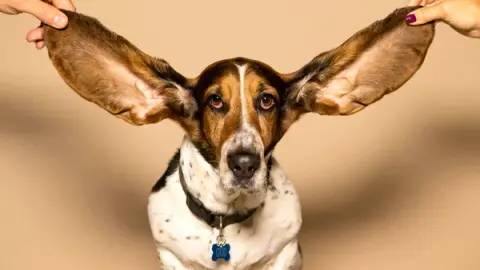
Dogs with floppy or heavy ears are especially prone to moisture and warmth inside the ear canal. Without regular cleaning, this environment can encourage yeast and bacteria to grow. The result is red, inflamed, or itchy ears with a distinct, often sour or musty odor.
Anal glands are another common but often overlooked source of intense smell. These small scent glands sit just inside the anus and normally empty a small amount of fluid when a dog defecates. However, if the fluid does not empty properly, it can build up.
When anal gland secretions leak or are expressed, they can produce a sharp, fishy, or very pungent odor that lingers on the fur, bedding, or even on your clothes after you pick up your dog.
Regular ear care and appropriate anal gland maintenance are therefore key parts of a complete odor control routine, not just “extra” grooming steps.
What Is Seborrheic Dermatitis In Dogs
Seborrheic dermatitis is a skin condition in which the normal production of skin oils (sebum) is disrupted. Some dogs produce too much oil, leading to greasy fur, clumping hair, and a heavy, sometimes rancid smell. Others produce too little oil, which can cause dry skin and visible dandruff.
In oily forms of seborrhea, the excess sebum can trap dirt, dead skin cells, and microorganisms close to the skin, which often intensifies body odor. Certain breeds are genetically predisposed, but diet and environmental factors can also play a role.
In some cases, oxidized or poor quality pet food may contribute to skin inflammation and seborrheic changes. Once seborrheic dermatitis develops, it usually requires long‑term management with veterinary guidance, including medicated shampoos, topical treatments, and sometimes dietary adjustments.
Because this condition can be chronic and slow to resolve, early veterinary evaluation is important if you notice persistent greasiness, dandruff, or a strong, unusual smell from your dog’s skin.
Want Less Dog Odor Start With The Food Bowl
If you are serious about reducing your dog’s odor, reassessing their diet is one of the most impactful first steps.
Many pet shops and online retailers now offer premium and organic dog foods that focus on high quality animal proteins, more digestible ingredients, and fewer artificial additives. These formulas often:
- Use clearly named meat sources instead of vague by‑products
- Limit artificial colors, flavors, and harsh preservatives
- Emphasize overall skin and coat health
There are also more trial‑size bags and sample packs available than ever, making it easier to test what works best for your individual dog without committing to a large bag right away.
That said, not every product labeled as “premium” or “natural” is automatically free of preservatives or unnecessary additives. Always read the ingredient list and guaranteed analysis, and consider asking your veterinarian for recommendations tailored to your dog’s age, size, and health status.
Because food forms the foundation of your dog’s health, many pet parents report that after switching to a better quality diet, they notice less body odor, fewer tear stains, and healthier looking skin and coat.
Choosing A Gentler, Smarter Shampoo
Just as you upgraded the food, it is worth upgrading your dog’s shampoo as well.
Experts generally recommend choosing mild, dog‑specific shampoos sold through veterinary clinics or reputable pet retailers. Look for formulas described as low‑irritant, for sensitive skin, or veterinary medicated when appropriate.
While these shampoos often cost more than basic products from discount stores, they are designed to:
- Cleanse away excess oil and odor without stripping the skin
- Support the natural skin barrier
- Reduce itchiness and irritation in many dogs
Many pet guardians find that once they switch to a higher quality shampoo, their dog’s overall odor decreases, and dogs who were constantly scratching show noticeable relief over time.
For dogs with seborrheic dermatitis or other diagnosed skin conditions, veterinarians often prescribe medicated shampoos and a specific bathing schedule, such as every few days. Following this plan consistently is crucial for controlling both odor and discomfort.
If you are unsure which product is right for your dog, ask your veterinarian to recommend a shampoo based on your dog’s skin type, coat type, and any existing medical issues.
Ear Cleaning And Anal Gland Care
If your dog’s ears smell yeasty, sour, or just “off,” it may be time to add ear cleaning to your routine. Veterinary‑approved ear cleansing solutions are formulated to gently dissolve wax and dry out excess moisture without damaging the delicate ear canal.
You can find these products at veterinary clinics and many pet shops. For best results:
- Ask your veterinarian or groomer which formula is appropriate for your dog
- Have them demonstrate the correct cleaning technique
- Avoid using cotton swabs deep in the ear canal, which can cause injury
Anal gland care is another task that many pet parents are hesitant about at first, but it is an important part of odor control for some dogs. When glands are overly full, dogs may scoot, lick excessively under the tail, or suddenly release a very strong smell.
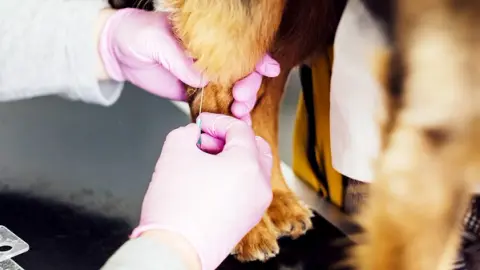
While experienced guardians can learn to express anal glands at home, it is safest to start by having a professional groomer or veterinarian perform the procedure and show you how it is done. They can also check for signs of infection, impaction, or pain that require medical treatment.
With proper guidance, routine ear cleaning and appropriate anal gland maintenance can become quick, manageable parts of your dog’s grooming schedule.
Caring For Your Dog’s Scent Is Caring For Their Health
Your dog’s natural smell is more than just a household concern it is often a valuable clue about their internal health. Sudden changes in odor, persistent bad smells, or new skin and ear issues are all signals worth paying attention to.
By choosing better quality food, gentle, dog‑appropriate shampoos, and regular ear and anal gland care, you are not just making your home smell fresher. You are actively supporting your dog’s comfort, skin health, and overall wellbeing.
Stay curious about small changes in your dog’s scent, coat, and behavior. Combine that daily awareness with regular veterinary checkups, and you will be well on your way to building a lifetime of healthier, happier days together with your dog.
- 03.21.2026
- 04.13.2017

Hiiroiro
I grew up in an environment where animals were always by my side, and as an adult, I have continued to share my life with dogs. I have lived with countless animals throughout my life. I look forward to sharing many articles about animals with you. Thank you for having me.