Why Your Pet’s Pee Matters How At Home Urine Checks Can Protect Dogs And Cats
This article is an English translation of the original Japanese article. Read the original Japanese version.
Your dog or cat can’t tell you when something feels off, but their urine often can. Learn how simple at home urine checks can help pet parents spot early signs of kidney disease, bladder issues, dehydration, and more before they become emergencies.
Key takeaways
Q. What health conditions can be understood from a cat's urine color and amount?
If urine is dark and the amount is small, it may indicate dehydration and increased strain on the kidneys.
Q. What can be detected with an at-home urine test kit for cats?
From urine color, you can roughly infer health, chronic renal failure, cystitis, and possible kidney, urethral, or bladder stones.
Q. What is the difference between at-home urine tests and veterinary urine tests?
Home tests are easy but use less pure urine and are simple, while clinics can collect purer urine and measure specific gravity, sugar, ketones, and more in detail.
Dogs and cats can’t explain how they feel, so pet parents need to read the small clues their bodies give off. Shiny, full coats often reflect good health, while dull, thin, or scruffy fur can signal that something is wrong.
Another powerful health clue is your pet’s urine. From color and volume to how often they go, urine acts as a real time barometer of what is happening inside the body. This guide explains how cat and dog urine can hint at disease, how at home urine checks work, and when it is time to see your veterinarian.
What Your Cat’s Urine Can Reveal
One of the most common and serious conditions in cats is chronic kidney disease. Many cats naturally drink less water than dogs, and experts know that low daily water intake can put extra strain on the kidneys over time.
Because of this, veterinarians often recommend that cat guardians pay close attention to urine color and volume. When urine is very dark and the amount is small, it usually means your cat is not getting enough fluids. The body then concentrates the urine, which can place additional stress on the kidneys.
To support kidney health, consider making water easier and more appealing to drink. Place water bowls in noticeable, low stress areas of your home, and keep them away from litter boxes and food dishes. Many cats dislike stale water, so changing the water frequently or using a pet fountain can encourage them to drink more.
Simple At Home Urine Checks For Cats
Urine testing used to mean collecting a sample in a cup and sending it to a lab, which felt intimidating and time consuming for many pet parents. Today, there are user friendly at home urine test kits designed specifically for cats.
Most of these kits offer a basic color based screening. You place a special pad or sheet in the litter box, and when your cat urinates on it, the pad changes color. You then compare the color to the guide included with the kit.
While each brand is different, many kits use color ranges similar to these general ideas:
- Golden, beer like yellow often suggests a healthy, well hydrated cat
- Very pale yellow can be seen with chronic kidney disease or very dilute urine
- Pale pink or light red may point toward bladder inflammation or infection
- Bright red can indicate blood in the urine, which may be associated with kidney stones, bladder stones, or other urinary tract problems
These tools are screening aids only. They can alert you to possible issues but cannot replace professional testing. In a veterinary clinic, your cat’s urine can be analyzed in far more detail, including urine specific gravity, glucose, ketones, protein, and other markers. These values help your veterinarian evaluate for conditions such as diabetes, kidney disease, urinary tract infections, and more.
Smartphone Assisted Urine Tests For Dogs
Cats are not the only ones who benefit from urine monitoring. There are now dog friendly urine test kits that pair with smartphone apps to make screening more accessible.
One example is a system like Petnostics, which uses a special cup lined with reagent pads similar to litmus paper. Pet parents collect a fresh urine sample from their dog in the cup. After the pads change color, you use the dedicated smartphone app to scan the results. The app then interprets the color changes and flags potential concerns.
According to product information, systems of this type can screen for a wide range of issues, including:
- Possible diabetes
- Urinary tract infections
- Bladder stones
- Dehydration
- Certain bacterial infections
- Liver related changes
- Ketones in the urine
- Anemia related changes
- Protein in the urine
These at home tools can help pet guardians spot early warning signs and decide whether a veterinary visit is needed. However, they are still screening tests. A full veterinary urinalysis and additional blood work, imaging, or cultures may be required for a precise diagnosis and treatment plan.
The Limitations Of At Home Urine Test Kits
While at home urine checks are convenient and can be very helpful, they do have important limitations. One of the biggest is that the sample purity is often lower than what veterinarians can obtain in a clinic.
When pets urinate on litter, pads, grass, or floors, the urine can mix with dust, hair, cleaning products, or other contaminants. This can sometimes affect test results. In addition, it is not always clear exactly when the urine was produced, and older samples can change as they sit.
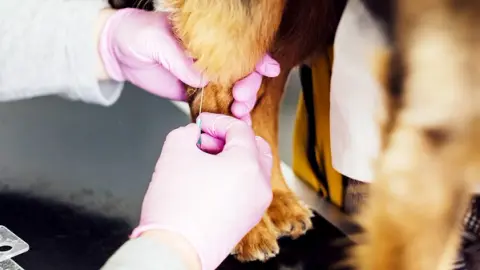
For the most accurate analysis, veterinarians may collect urine directly from the bladder using a sterile needle and syringe (a procedure often called cystocentesis) or a catheter. This method avoids contamination and gives a clearer picture of what is happening inside the urinary tract.
Although this approach requires a clinic visit and a bit more effort, in many regions it can often be done for a relatively modest fee. If an at home test suggests a problem, or if you are worried about your pet’s urinary health, experts strongly recommend scheduling a professional exam.
Daily Observation Is Your Most Powerful Tool
Even the best test kit cannot replace attentive daily observation. One of the simplest and most effective habits pet parents can build is to look at their dog or cat’s urine every day.
Consider using plain white pee pads or light colored, unscented cat litter. A neutral background makes it much easier to notice subtle changes in color, volume, or frequency. Over time, you will learn what is normal for your individual pet, which makes it easier to spot early warning signs.
Pay attention to changes such as:
- Darker or unusually pale urine
- Pink, red, or brown discoloration
- Straining, frequent attempts to urinate, or vocalizing in the litter box
- Strong, foul, or suddenly different odors
- Marked increases or decreases in the amount of urine
Any of these changes, especially if they persist for more than a day or two, warrant a call to your veterinarian.
At the same time, it is important not to rely solely on at home checks or kits. They are valuable tools, but they cannot match the depth of testing available at a veterinary clinic. Regular wellness visits, blood work, and professional urinalysis remain essential for catching kidney disease, diabetes, infections, and other conditions early.
Partnering With Your Veterinarian For Lifelong Health
By combining thoughtful daily observation, smart use of at home urine checks, and regular veterinary exams, pet guardians can dramatically improve their dog or cat’s chances of early detection and successful treatment of urinary and kidney problems.
Use what you see in the litter box or on the pee pad as information to share with your veterinarian, not as a final diagnosis. When something looks off, trust your instincts and seek professional guidance.
Your pet depends on you to notice the quiet signals their body sends. By paying attention to their urine and acting promptly on any concerns, you are taking a powerful step toward protecting their comfort, health, and quality of life for years to come.
- 03.21.2026
- 08.08.2016